Home
Storia in 1 fonti
Partners in crime produce extreme antibiotic resistance
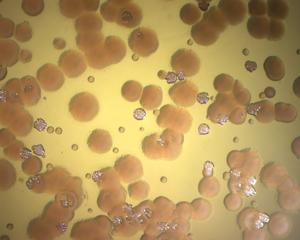
Scientist report an unexpected mechanism that bacteria have for rapidly confering antibiotic resistance. In looking at a group of cystic fibrosis patients who suddenly stopped responded to a potent antibiotic after beginning treatment, they found that environmental bacteria had entered their lungs and transfered new drug resistence genes into the disease-causing bacteria. This is different from the well-known pattern in which antibiotic resistance develops gradually from the accumulation of mutations in the disease-causing bacteria's genome. In addition to antibiotic resistance, genes from environmental bacteria could help pathogens acquire more nutrients, block immune responses, and break down barriers that limit the spread of infection.
Raccontata da eurekalert.org