HomeAI · summaries
Storia in 4 fonti
Scientists identify rare meteorite class that killed dinosaurs
Jump to contentThank you for registeringPlease refresh the page or navigate to another page on the site to be automatically logged inPlease refresh your browser to be logged inAllNewsSportCultureLifestyleResearchers have identified the class of meteorite responsible for the dinosaur extinction 66 million years ago as a carbon monoxide chondrite. This type of meteorite, which is a fragment of the six-mile-wide Chicxulub asteroid, is considered a rare and primitive material, making up only five percent of meteorites sampled on Earth. The findings highlight the extreme unlikelihood of such a rare projectile impacting Earth, as noted by Dr. Philippe Claeys. The study suggests that fine debris thrown into the atmosphere by the impact was the primary factor in wiping out 75 percent of living species, rather than sulfur from the meteorite. Scientists propose the Chicxulub asteroid may have originated from the outer asteroid belt near Jupiter or other distant reaches of the solar system. In fullResearchers just uncovered more about the asteroid that killed the dinosaurs 66 million years agoMore bulletinsThank you for registeringPlease refresh the page or navigate to another page on the site to be automatically logged inPlease refresh your browser to be logged in
Confronto fonti
4 prospettive sulla stessa storiaTimeline cronologica
- ·
phys.org
Researchers identify class of 'oddball' meteorite that killed the dinosaurs
A rare CO chondrite meteorite was the probable impacter that struck Earth 66 million years ago, wiping out 75% of Earth's species, including nonavian dinosaurs. These findings are…
- ·
semana.com
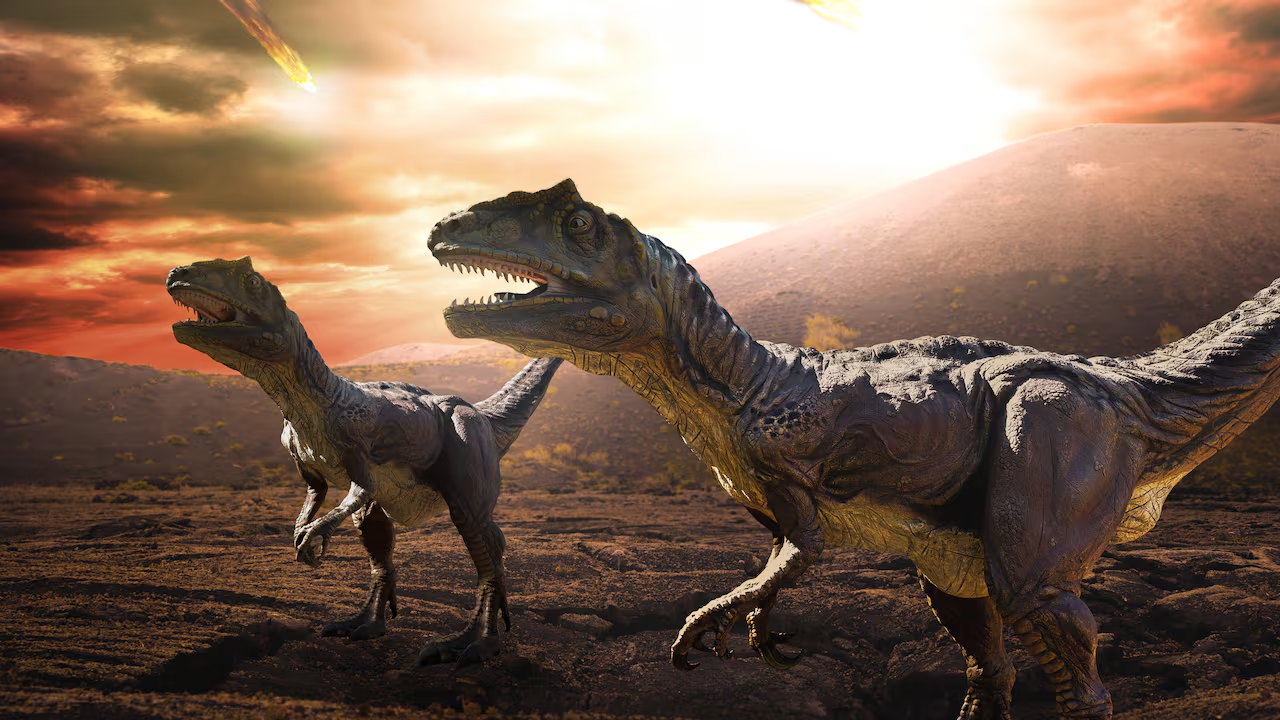
Fin del misterio: científicos identifican el meteorito que extinguió a los dinosaurios hace 66 millones de años
Los científicos identifican una clase de meteorito “extraño” que habría causado la extinción de los dinosaurios.
- ·
independent.co.uk
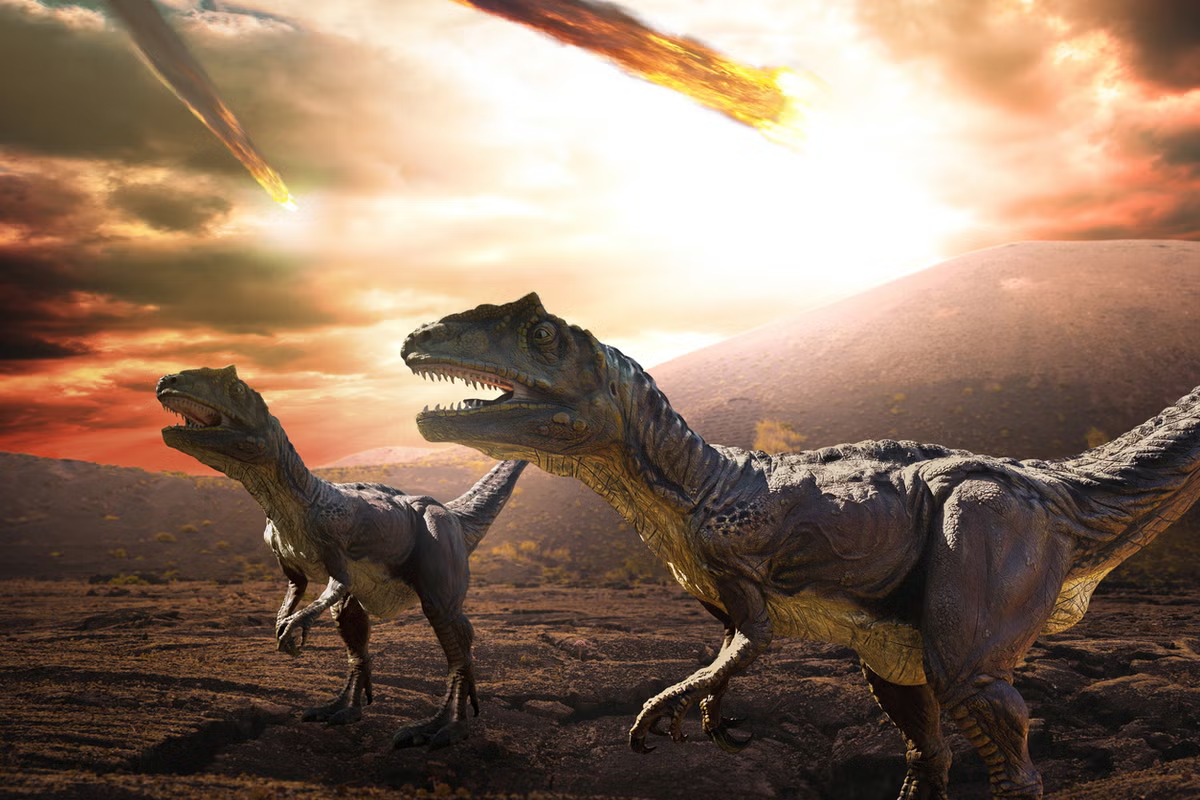
Researchers just found out more about the asteroid that killed the dinosaurs
Findings really underscore ‘how unlucky the dinosaurs were,’ researcher says
- ·
infobae.com
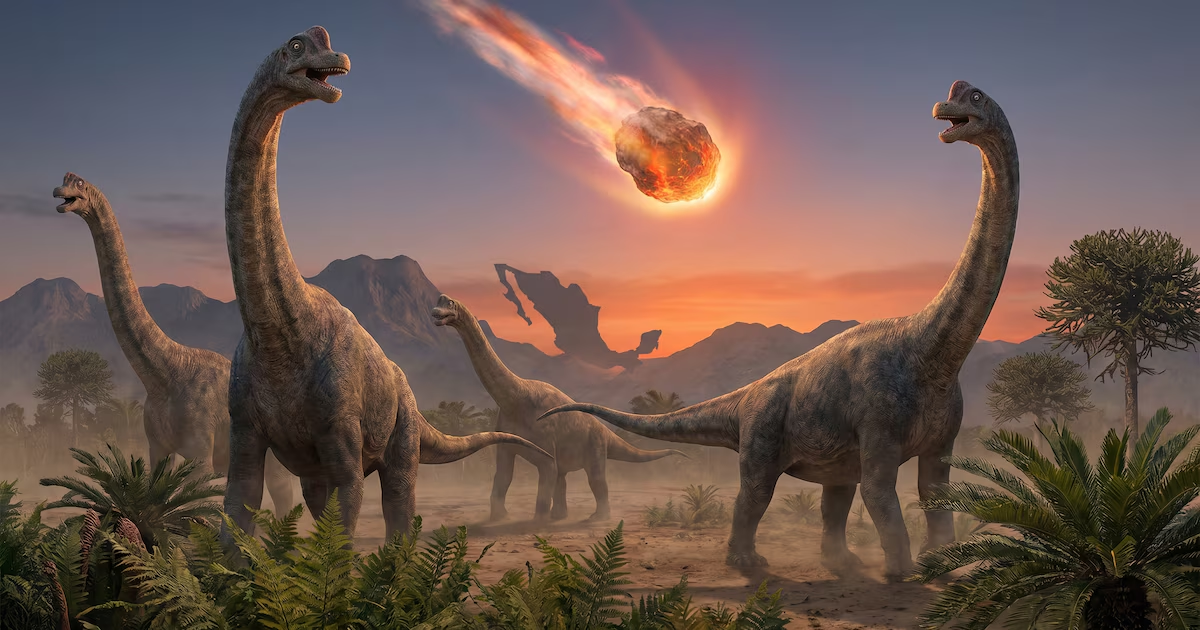
Científicos identifican el tipo de meteorito que habría provocado la desaparición de los dinosaurios
Un estudio internacional logró determinar la composición exacta del cuerpo celeste que impactó en Yucatán hace 66 millones de años y desencadenó la extinción masiva
- ·
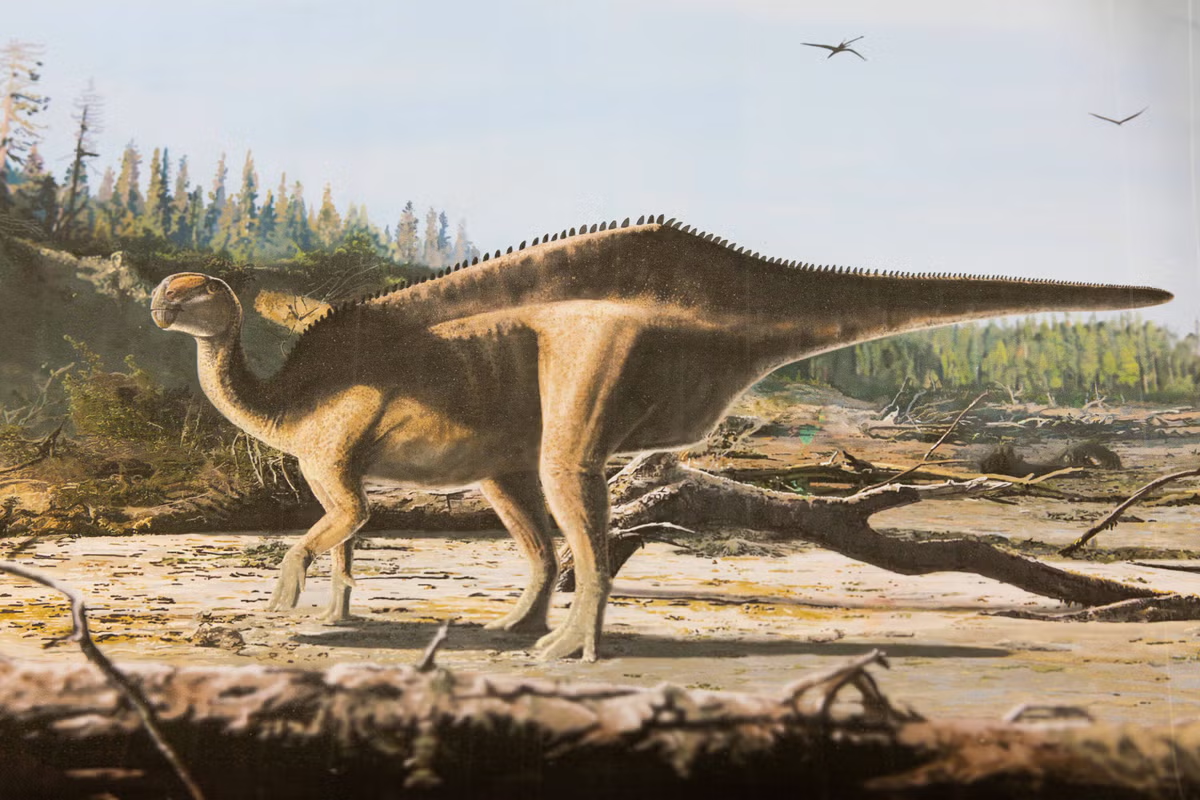
Scientists identify rare meteorite class that killed dinosaurs
Jump to contentThank you for registeringPlease refresh the page or navigate to another page on the site to be automatically logged inPlease refresh your browser to be logged…