HomeAI · summaries
Storia in 2 fonti
How Neil the Seal ended up pushing traffic cones and climbing on cars
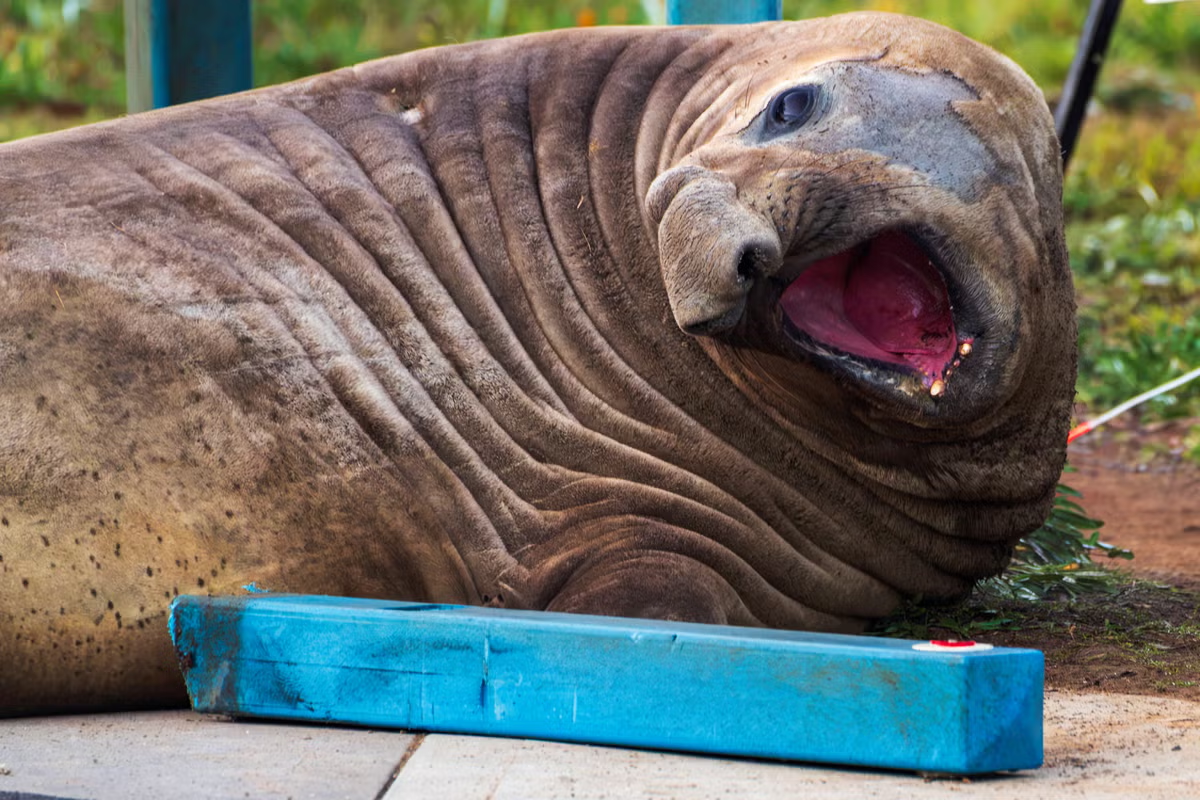
Jump to contentThank you for registeringPlease refresh the page or navigate to another page on the site to be automatically logged inPlease refresh your browser to be logged inAllNewsSportCultureLifestyleNeil the Seal, a five-year-old, one-tonne southern elephant seal, gained viral fame for his antics in Tasmania, which included pushing traffic cones and climbing on cars. His seemingly unusual behaviour is attributed to normal developmental actions of a young male elephant seal, such as asserting dominance and testing strength, directed towards objects and people due to the absence of other seals. Southern elephant seals require critical rest periods on land after extensive foraging at sea and during their annual catastrophic moult, making human disturbance during these times detrimental. Neil's story exemplifies successful human-wildlife coexistence, with authorities implementing temporary barriers and public education campaigns to ensure the safety of both the seal and onlookers. Unlike the tragic outcome for Freya the walrus, who was euthanised due to public disturbance, Neil's case demonstrates how good communication and public education can lead to responsible interaction with marine wildlife. In fullWhat Neil the Seal is actually trying to tell us, according to a marine biologistMore bulletinsThank you for registeringPlease refresh the page or navigate to another page on the site to be automatically logged inPlease refresh your browser to be logged in
Confronto fonti
2 prospettive sulla stessa storiaTimeline cronologica
- ·
forbes.com
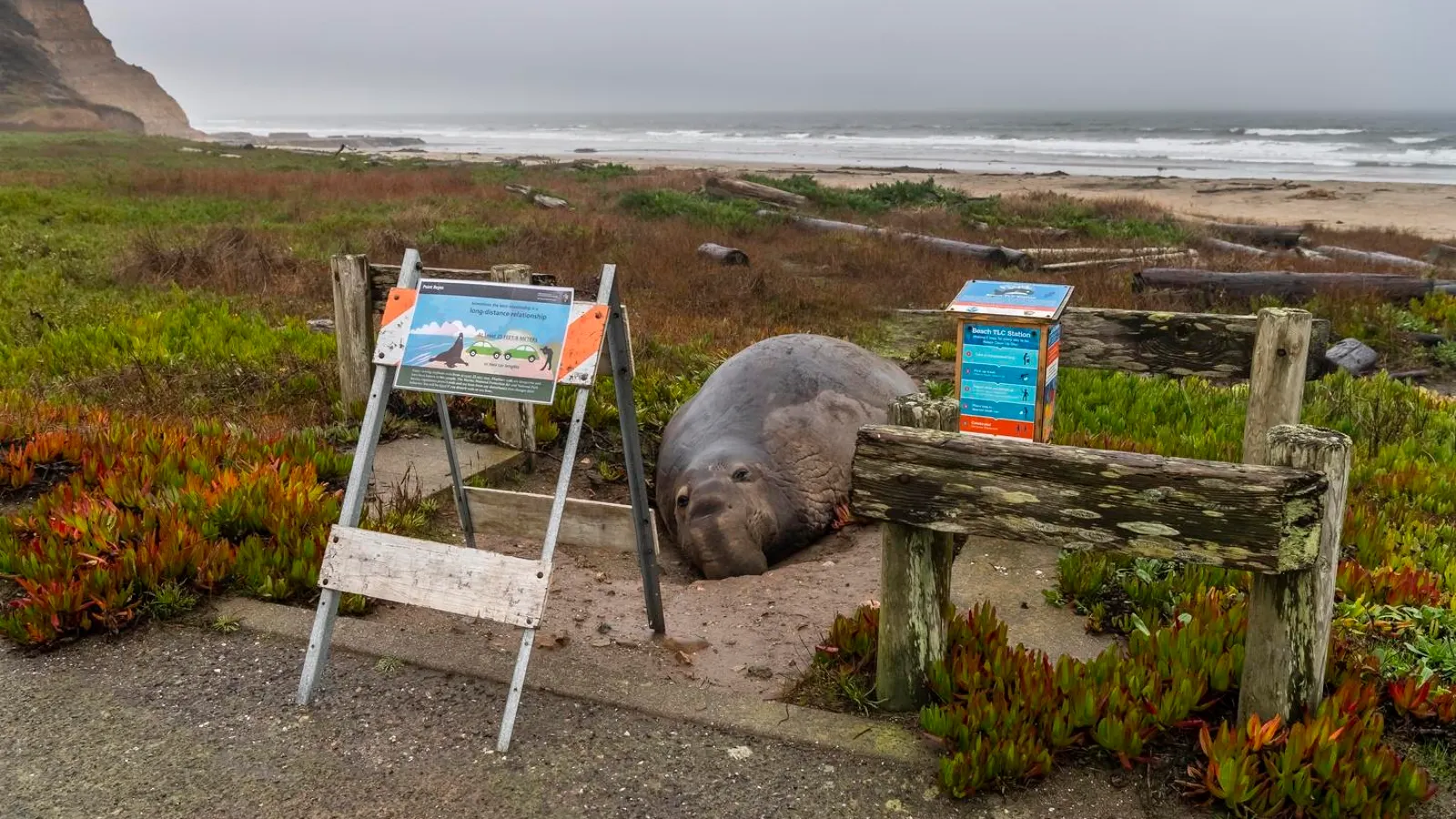
Neil The Celebrity Seal Has 1.7 Million Fans — And Wildlife Officials Are Worried
Neil the Seal has charmed Tasmania and millions online, but wildlife officials warn his overwhelming popularity could put this wild seal's safety at risk
- ·
independent.co.uk
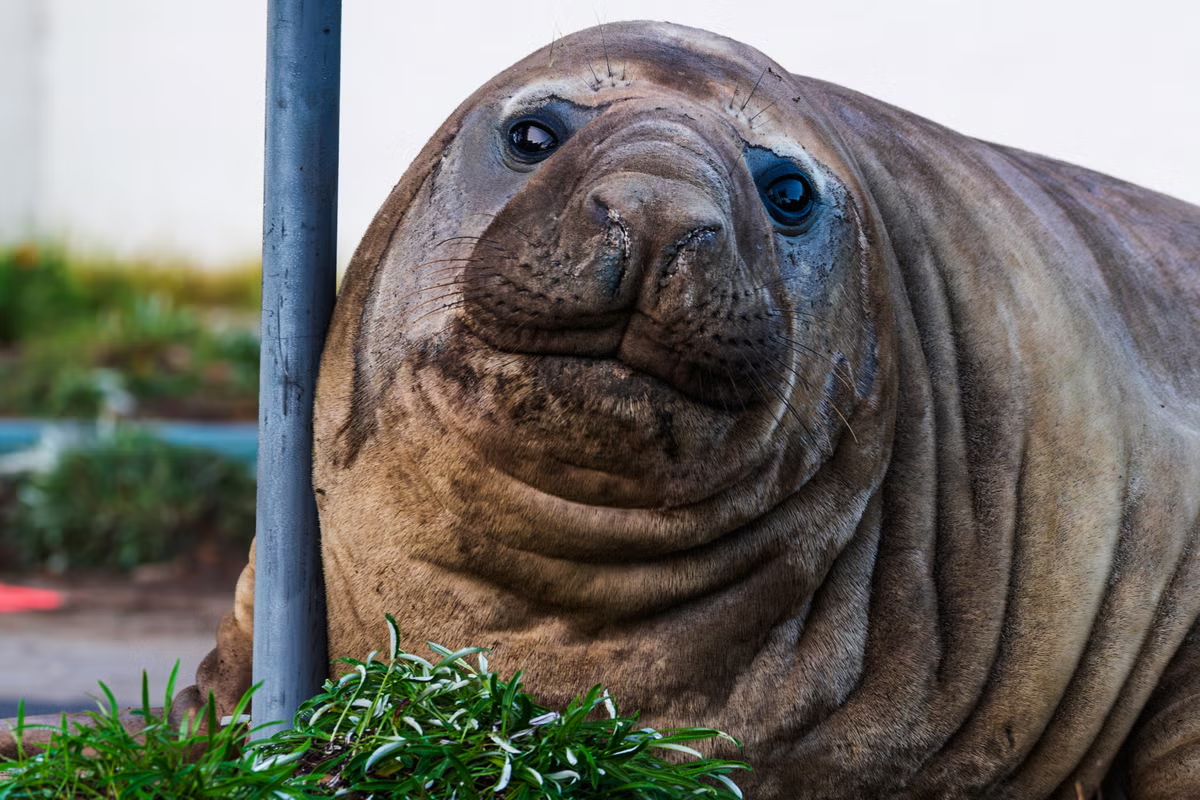
What Neil the Seal is actually trying to tell us, according to a marine biologist
Viral videos show Neil appearing to push traffic cones and even chase people – and there’s a surprisingly simple explanation