Minister urges public to report cases of three or more sick or dead birds in a group after brown skua seabird tests positive for H5N1 on Wellington beach

The alert followed a migratory seabird near Wellington returning a postive test result.
People are urged not to handle sick or dead birds after the coastal detection.
New Zealand has been preparing for the arrival of H5N1, working with the poultry industry to develop biosecurity and resilience plans. | World News
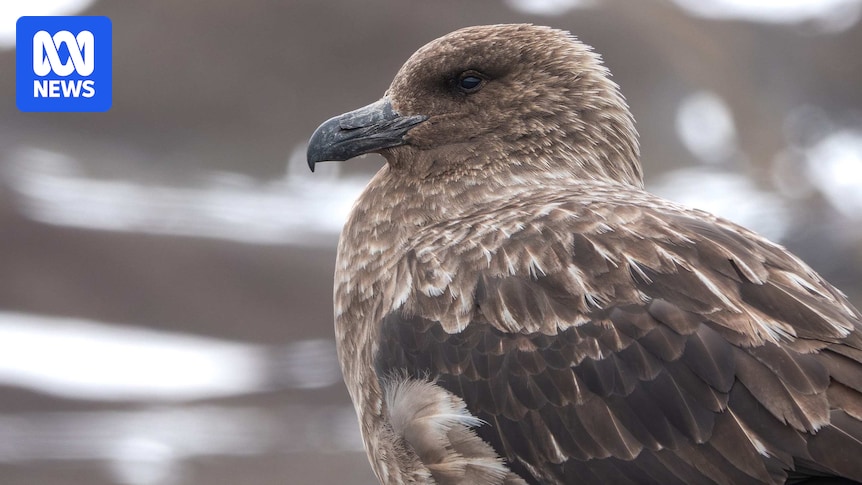
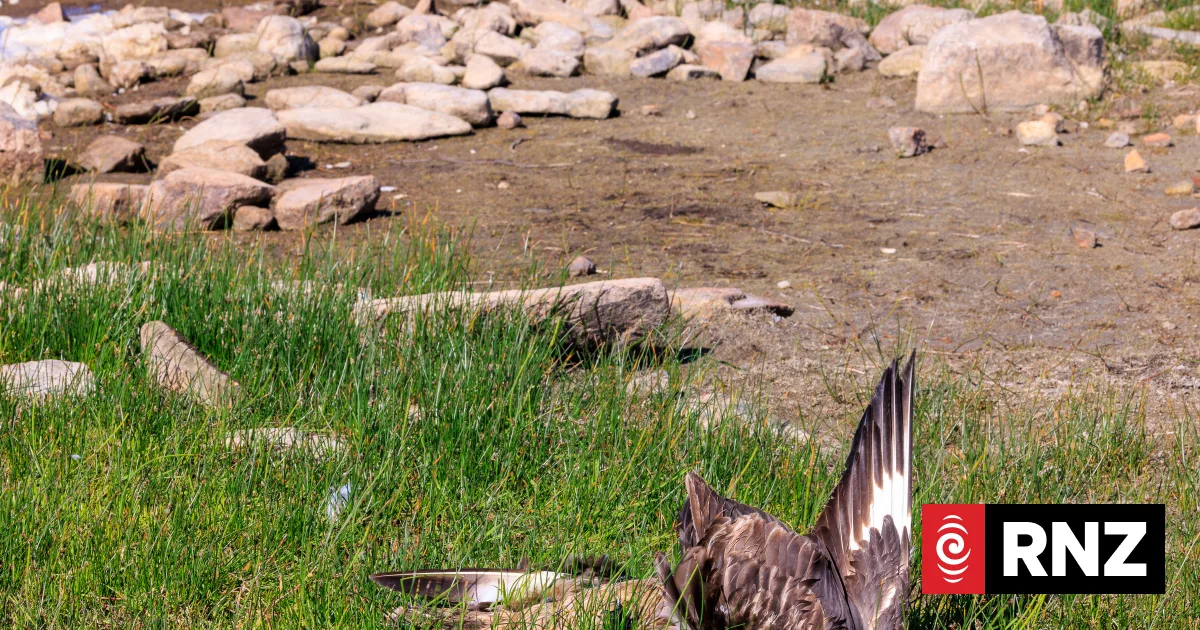
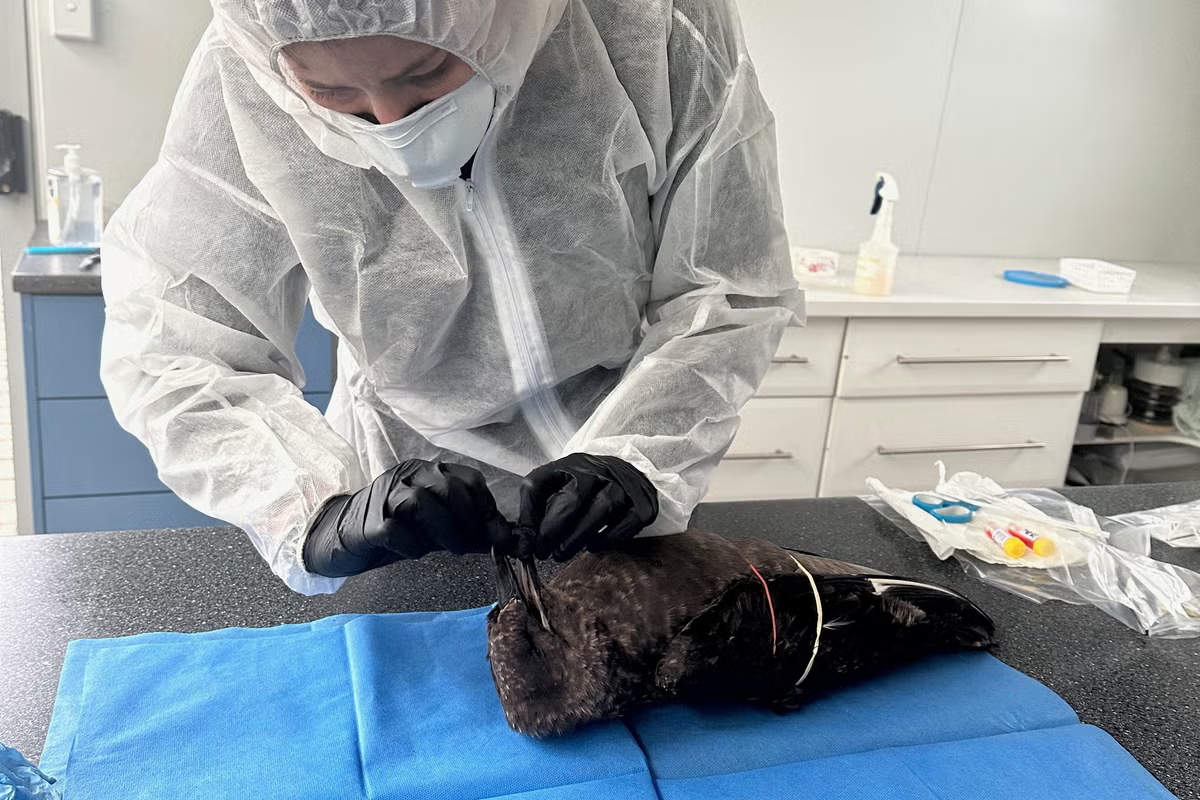
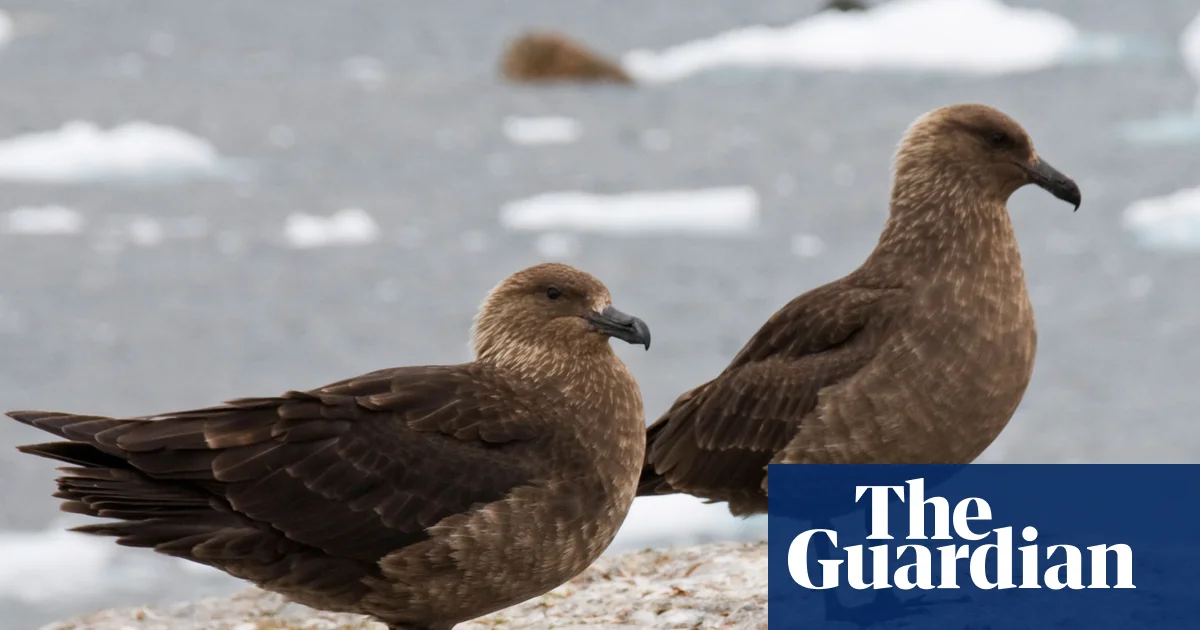
The deadly virus was detected in a brown skua seabird near Wellington, although authorities say there is not yet any evidence of mass mortality or impacts on poultry.
New Zealand reported its first case of the deadly H5N1 bird flu after a migratory seabird found on a beach near the capital, Wellington, tested positive, Biosecurity Minister Andrew Hoggard said on Wednesday. The case…
Bird flu has been detected in New Zealand.
New Zealand reported its first case of the deadly H5N1 bird flu after a migratory seabird found on a beach near the capital, Wellington, tested positive, Biosecurity Minister…
H5 bird flu strain has spread globally, with more than a dozen cases confirmed in Australia since last month
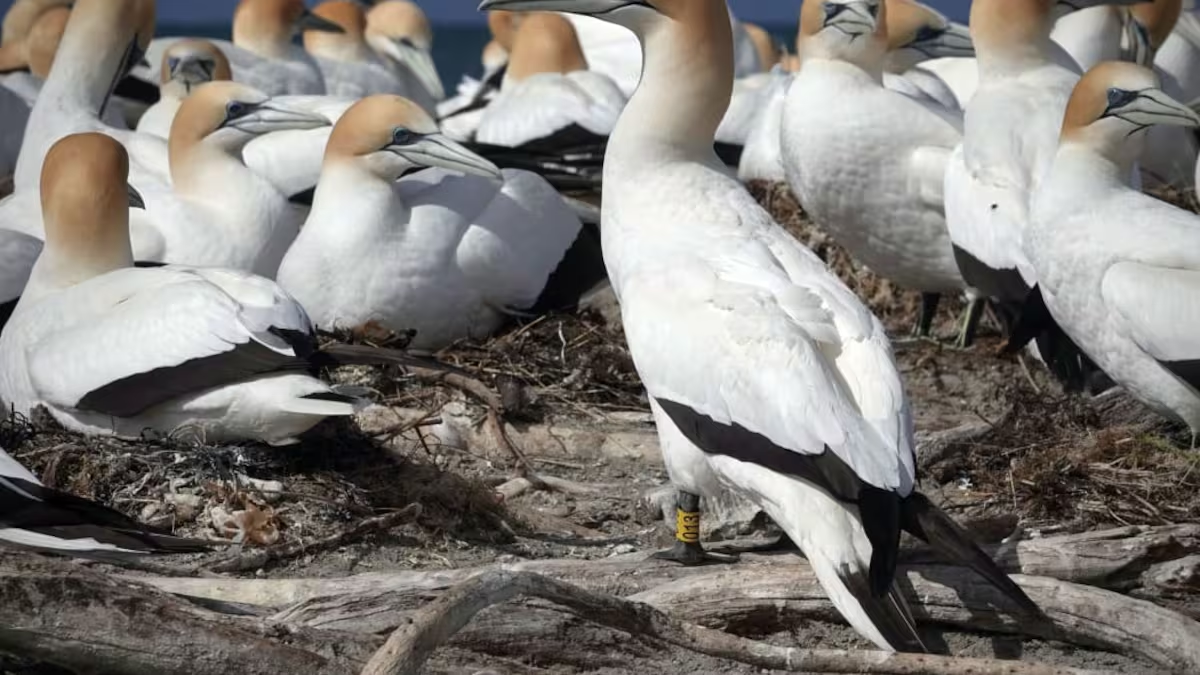
Rare Westland petrels nesting in the Punakaiki area may be at risk of bird flu, with the entire West Coast exposed to infected migratory seabirds from Australia.
Grassroots organisations at bird flu's ground zero have been mobilising in the 24 hours since its confirmation.
Officials confirm no poultry cases or mass seabird deaths have been found.
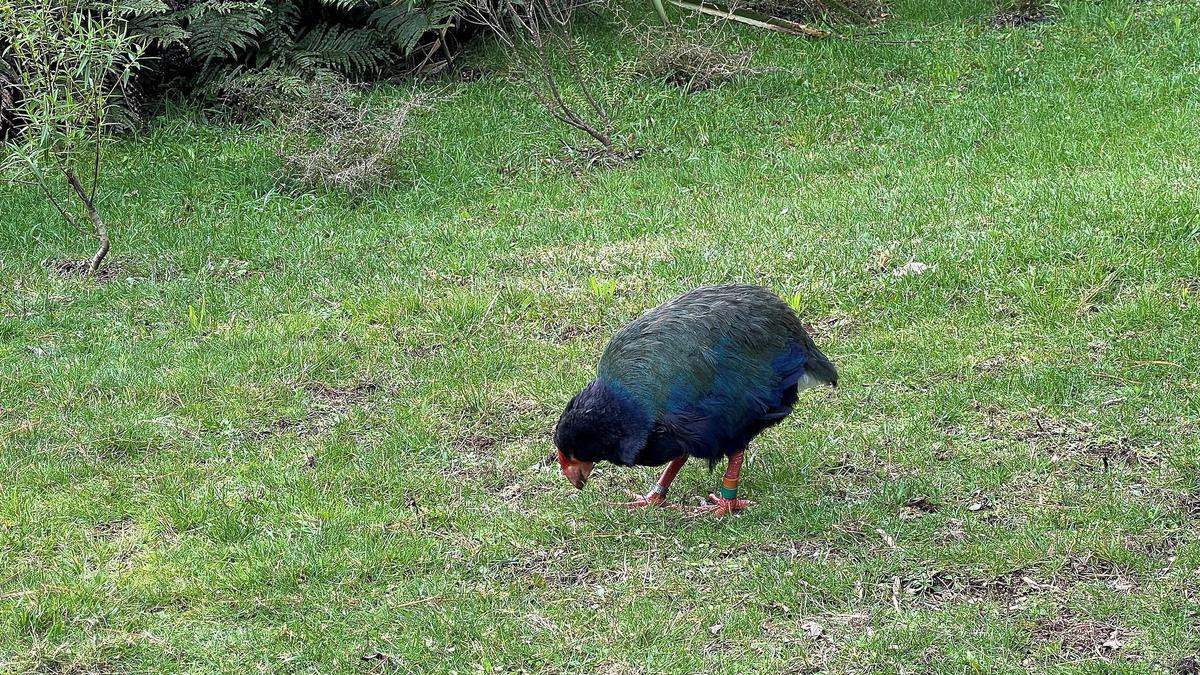
Plans to manage bird flu are well underway at native wildlife sanctuaries.