HomeAI · summaries
Storia in 2 fonti
When eyeing a predator, horses keep a poker face as their hearts race
Horses know a predator when they see one – even if it’s only on a video screen they’re watching in a stall, with no sounds, smells or previous experience providing context to what they’re viewing, a new study suggests. And though sensors indicated the horses’ heart rates increased when they were looking at wolves on the screen, they otherwise kept a poker face. They didn’t bob their heads or swish their tails, and their gaze wasn’t fixed in a way that would indicate their brain was processing a threat, results showed. The findings are relevant to horse and human welfare: Riders and handlers may not be able to tell when a horse is agitated.
Confronto fonti
2 prospettive sulla stessa storiaTimeline cronologica
- ·
eurekalert.org
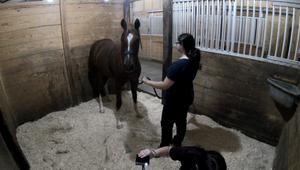
When eyeing a predator, horses keep a poker face as their hearts race
Horses know a predator when they see one – even if it’s only on a video screen they’re watching in a stall, with no sounds, smells or previous experience providing context to what…
- ·
timesofindia.indiatimes.com

Scientists showed horses silent videos of wolves and found their hearts raced even when they showed no obvious fear, raising new questions…
Horses have a hidden poker face when they face danger, hiding severe internal stress from their handlers even as their hearts beat at extremely high speeds.