HomeAI · summaries
Storia in 4 fonti
Scientists witness first-ever seafloor spreading event as 160 million cubic metres of lava create new ocean floor
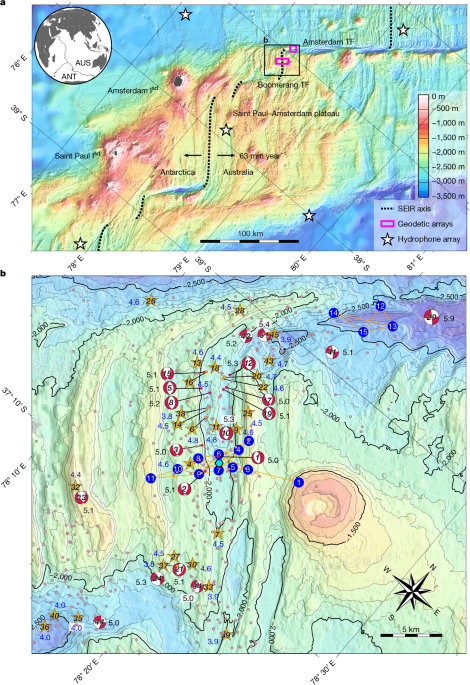
For most of human history, the creation of new ocean floor has been something inferred rather than witnessed. Geologists could map ancient scars on the seabed, measure the slow movement of tectonic plates and study volcanic rock brought to the surface, but the actual process of seafloor spreading remained largely hidden beneath kilometres of water.That changed in April 2024 in a remote part of the southern Indian Ocean.
Confronto fonti
4 prospettive sulla stessa storiaTimeline cronologica
- ·
nature.com
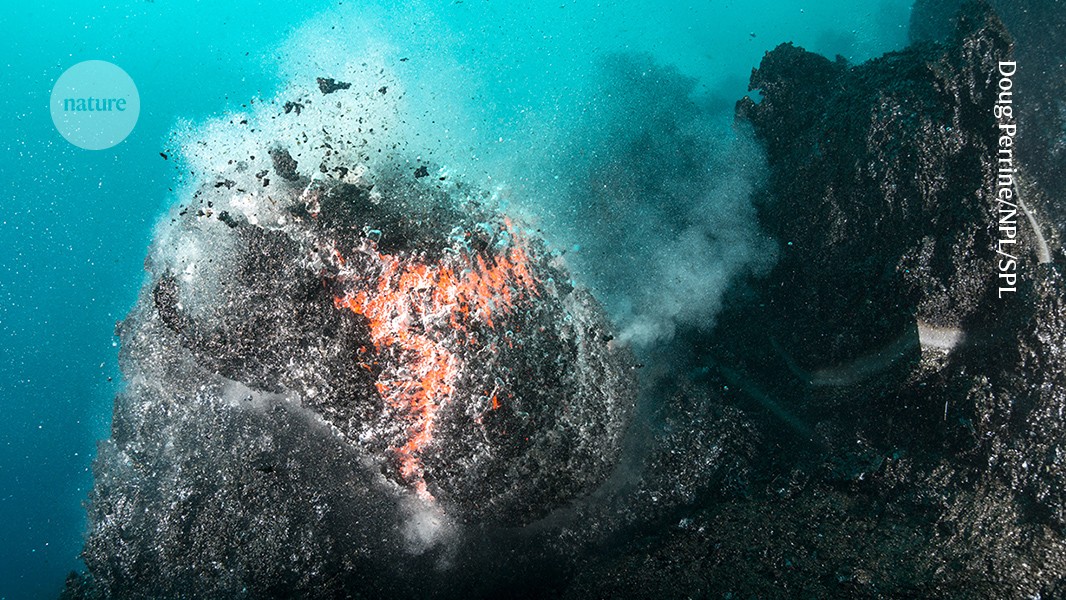
Ocean floor witnessed splitting apart for the first time — releasing lava
Scientists observed a mid-ocean ridge widen in real time, recording several metres of sea-floor motion and huge lava outflows.
- ·
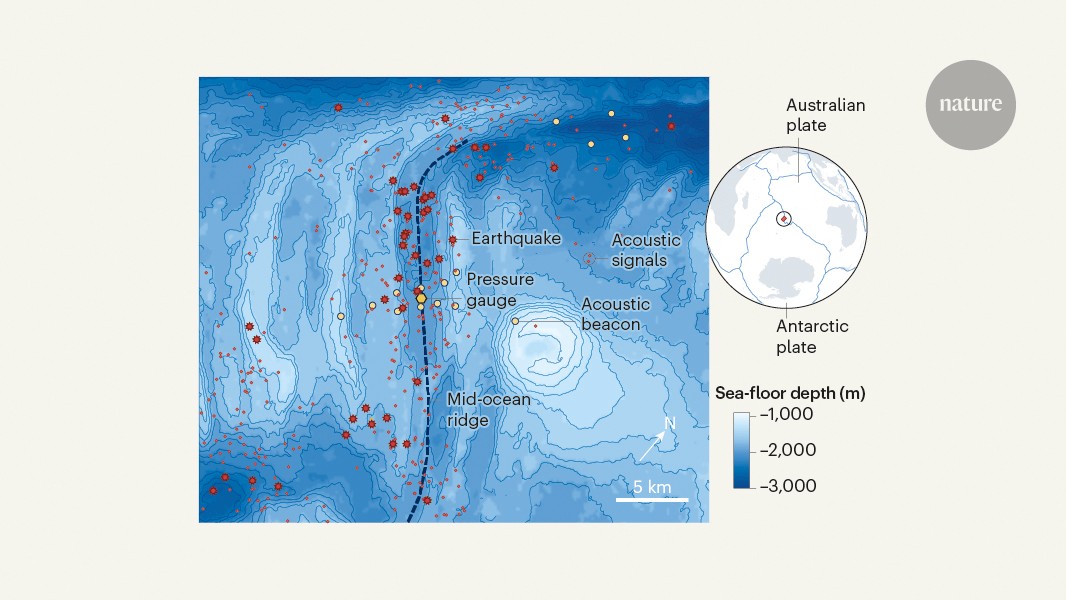
Sea-floor spreading captured by undersea observatory
A sea-floor monitoring experiment observed oceanic crust being created between two tectonic plates — the first in situ measurement of this phenomenon.