Home
Storia in 1 fonti
What Stingray Muscles Are Telling Us About Life In Coastal Waters
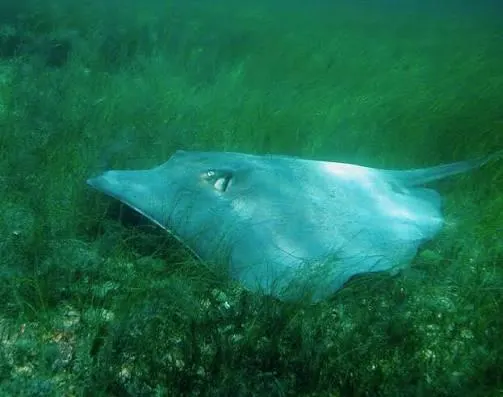
A new study shows that stable zinc isotopes in stingray muscle tissue capture ecological information that carbon and nitrogen isotopes miss. In three stingray species from coastal Brazil, zinc signatures revealed species differences and added a new layer to how scientists interpret diet, habitat use and physiology in marine predators.
Raccontata da forbes.com