HomeAI · summaries
Storia in 2 fonti
Toxicologist explains how best to avoid chemicals in everyday life
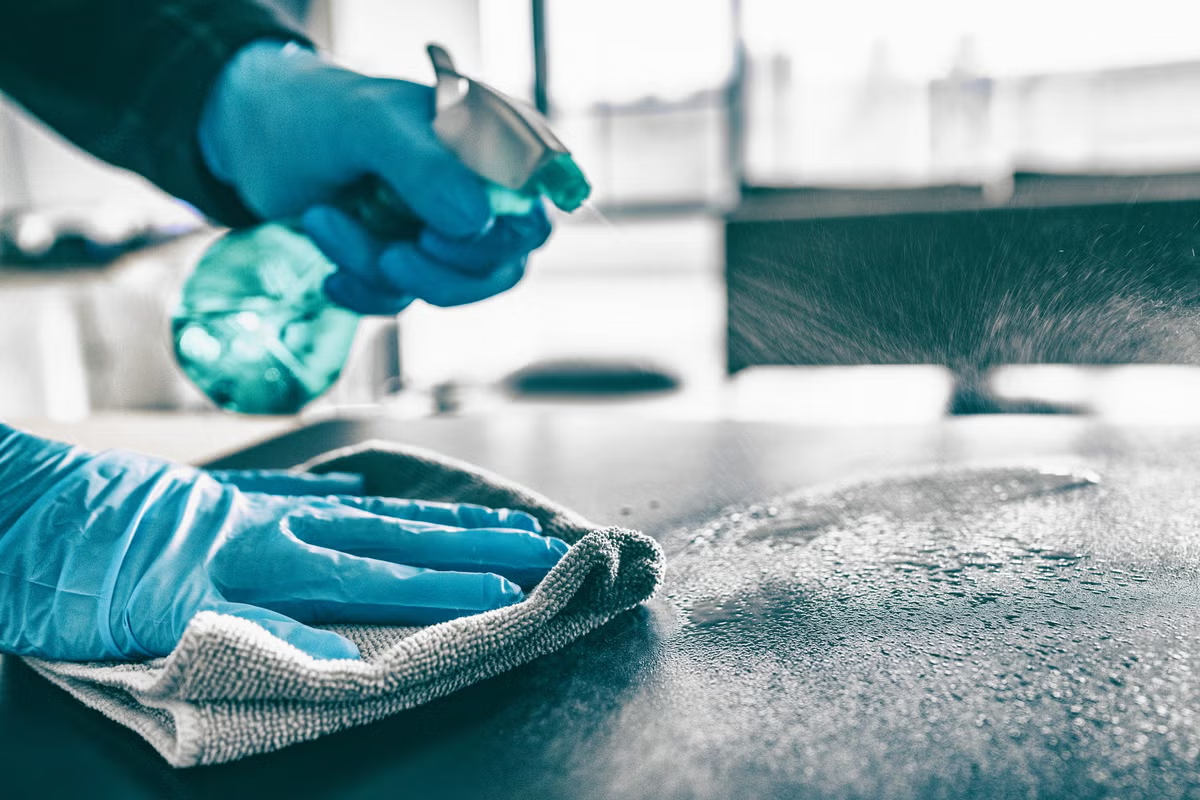
Stay up to date with notifications from The IndependentNotifications can be managed in browser preferences.AllNewsSportCultureLifestyleIs it possible to avoid toxins in everyday life? (PA)Everyday life involves exposure to numerous chemicals, both natural and human-made, and while individual exposures are often low, the combined effect of these mixtures on health is a growing concern. Scientists are challenged by the fact that people are rarely exposed to just one chemical, with common sources including air, food (pesticide residues), household products (fragrances, preservatives), and even treated drinking water. Research indicates that chemicals in mixtures do not always behave predictably; sometimes combinations have a larger effect than expected, particularly with endocrine-disrupting chemicals like phthalates and parabens. New scientific approaches, such as exposomics and the use of AI, are being developed to study real-world chemical mixtures and predict potential interactions, as testing every possible combination is impossible. Practical steps to reduce unnecessary and repeated chemical exposures include improving indoor air ventilation, choosing fragrance-free personal care and cleaning products, washing fruits and vegetables, and using certified water filters. In fullHow to reduce your exposure to everyday chemicals, according to a toxicologistMore bulletinsThank you for registeringPlease refresh the page or navigate to another page on the site to be automatically logged inPlease refresh your browser to be logged in
Confronto fonti
2 prospettive sulla stessa storiaTimeline cronologica
- ·
upi.com
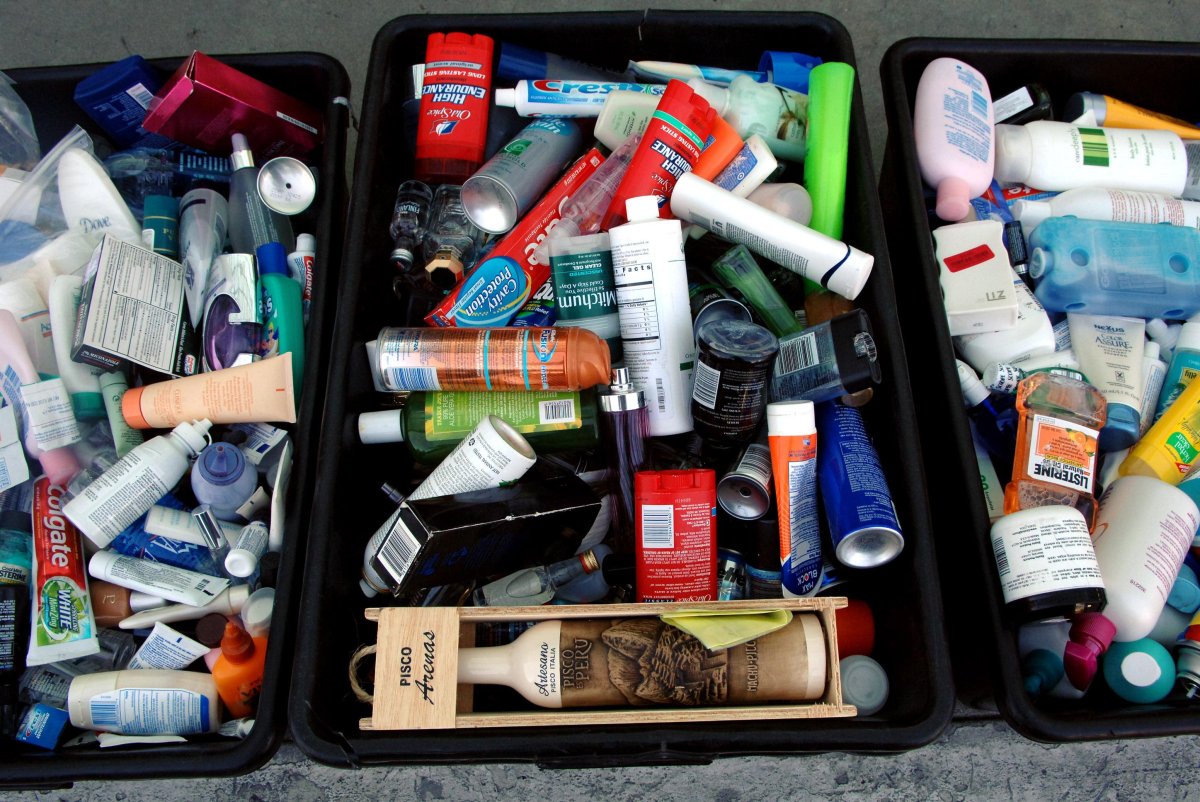
Exposure to everyday chemicals can add up -- a toxicologist offers simple steps to reduce your dose - UPI.com
Depending on the dose, timing and circumstances of exposure, some chemicals in our environment -- both natural and human-made -- may affect health.
- ·
independent.co.uk

How to reduce your exposure to everyday chemicals, according to a toxicologist
Some chemicals in our environment – both naturally occurring and human-made ones – may affect health