WARPTECHNEWS · LAB
HomeAIBusinessTechArchive
WARPTECH LAB NEWS

Warptech Lab News aggrega le notizie più rilevanti da oltre 700 fonti internazionali, con classificazione AI, TL;DR sintetici e timeline cluster su singole storie.

Navigazione

  • Home
  • Archivio
  • Editor's Brief
  • Cerca
  • Il tuo account
  • Newsletter tech/AI

Informazioni legali

  • Privacy Policy
  • Termini di servizio
  • Cookie Policy

© 2026 Sparktech S.R.L. — Tutti i diritti riservati. Sito gestito e manutenuto da Sparktech S.R.L.

Sede legale: Corso Libertà 55, 13100 Vercelli (VC), Italia · P.IVA / C.F. 02835910023 · Contatti: admin@warptechlab.com

Home
Storia in 2 fonti

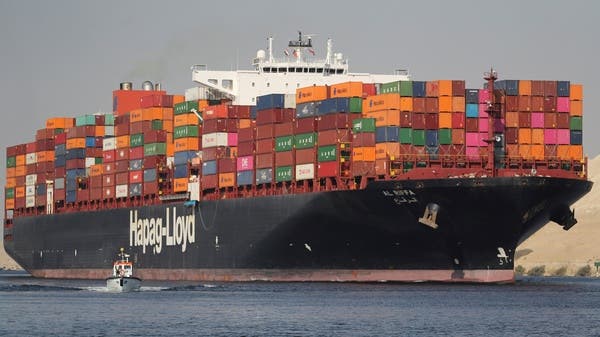
Hapag-Lloyd says SE3 service to sail via Red Sea instead of rounding Cape of Good Hope

German shipping company Hapag-Lloyd said on Monday that its SE3 service would sail via the Red Sea route instead of rounding the Cape of Good Hope with

Raccontata daenglish.alarabiya.neteconomictimes.indiatimes.com

Confronto fonti

2 prospettive sulla stessa storia
AI · summaries
english.alarabiya.netStai leggendo4 g fa

Hapag-Lloyd says SE3 service to sail via Red Sea instead of rounding Cape of Good Hope

German shipping company Hapag-Lloyd said on Monday that its SE3 service would sail via the Red Sea route instead of rounding the Cape of Good Hope with

originale
economictimes.indiatimes.com4 g fa

Container carriers eye return to Red Sea route

Vessels will now use the shorter route instead of going around Africa. This shift impacts shipping rates and capacity as demand rises.

Leggi questa versione → originale

Timeline cronologica

  1. lunedì 6 luglio 2026·english.alarabiya.net

    Hapag-Lloyd says SE3 service to sail via Red Sea instead of rounding Cape of Good Hope

    German shipping company Hapag-Lloyd said on Monday that its SE3 service would sail via the Red Sea route instead of rounding the Cape of Good Hope with

  2. martedì 7 luglio 2026·economictimes.indiatimes.com

    Container carriers eye return to Red Sea route

    Vessels will now use the shorter route instead of going around Africa. This shift impacts shipping rates and capacity as demand rises.