HomeAI · summaries
Storia in 8 fonti
Tankers make U-turns in Hormuz, with some taking Iran route instead
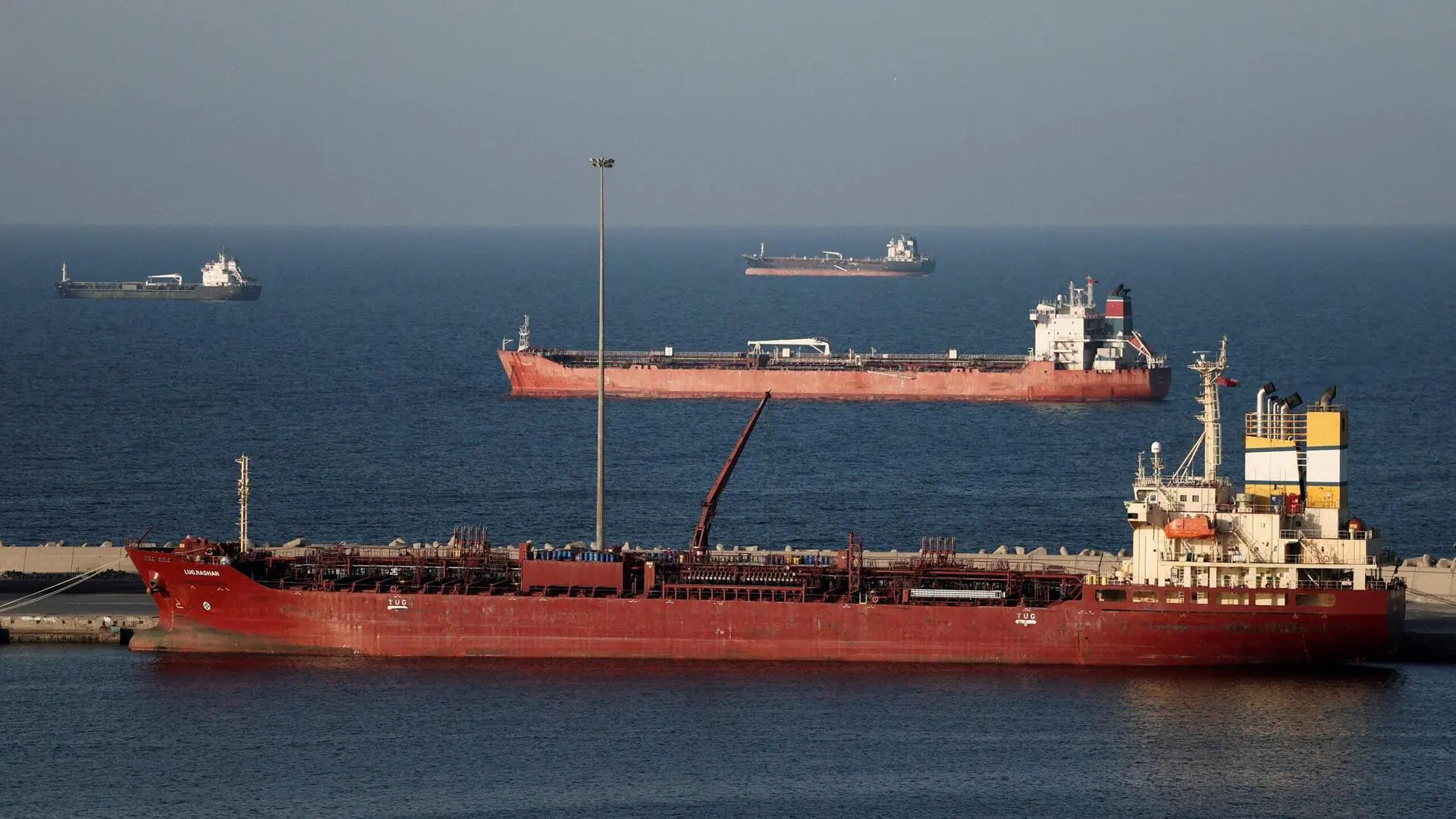
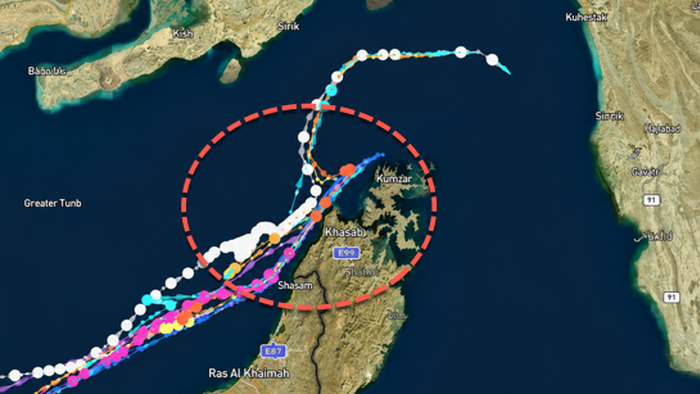
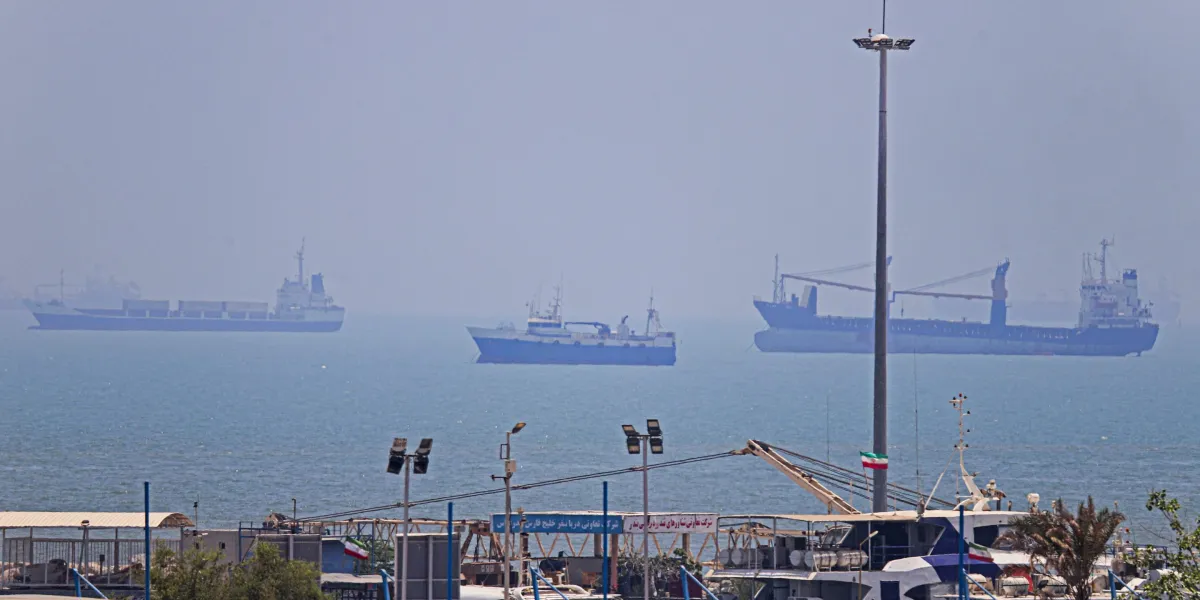
Tensions are high in the Persian Gulf as at least eight ships, including oil tankers, reversed course near the Omani coast, signaling Iran's continued assertion of control over the Strait of Hormuz. Despite a US-Iran deal to reopen the waterway, vessels report warnings from Iranian forces. While traffic has increased, it remains below pre-war levels, highlighting ongoing complexities for global oil markets.
Confronto fonti
6 prospettive sulla stessa storiaTimeline cronologica
- ·
oilprice.com
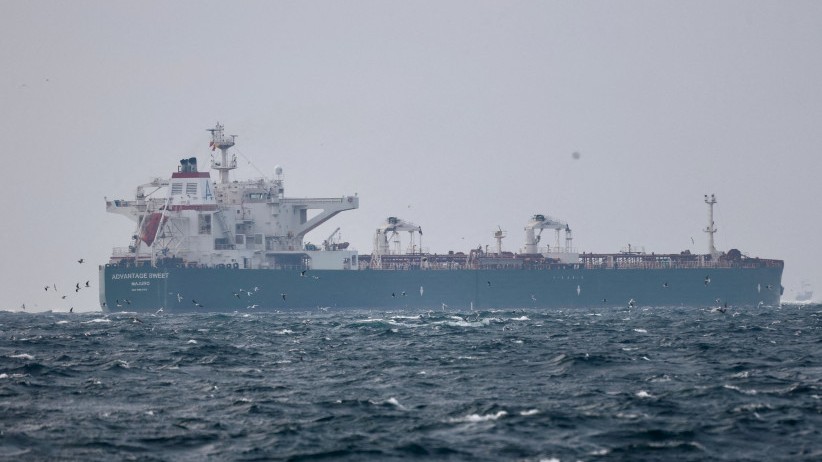
Iran Tightens Grip on Strait of Hormuz Tanker Traffic | OilPrice.com
Iran's joint military command warned on Thursday that all oil tankers transiting the Strait of Hormuz must follow routes approved by Tehran or face an "immediate and forceful…
- ·
timesofindia.indiatimes.com

Iran warns oil tankers to use approved routes in Hormuz
DUBAI: Iran’s joint military command warned on Thursday that all oil tankers moving through the Strait of Hormuz must use its approved routes or face a “forceful response,”…