WARPTECHNEWS · LAB
HomeAIBusinessTechArchive
WARPTECH LAB NEWS

Warptech Lab News aggrega le notizie più rilevanti da oltre 700 fonti internazionali, con classificazione AI, TL;DR sintetici e timeline cluster su singole storie.

Navigazione

  • Home
  • Archivio
  • Editor's Brief
  • Cerca
  • Il tuo account
  • Newsletter tech/AI

Informazioni legali

  • Privacy Policy
  • Termini di servizio
  • Cookie Policy

© 2026 Sparktech S.R.L. — Tutti i diritti riservati. Sito gestito e manutenuto da Sparktech S.R.L.

Sede legale: Corso Libertà 55, 13100 Vercelli (VC), Italia · P.IVA / C.F. 02835910023 · Contatti: admin@warptechlab.com

Home
Storia in 2 fonti

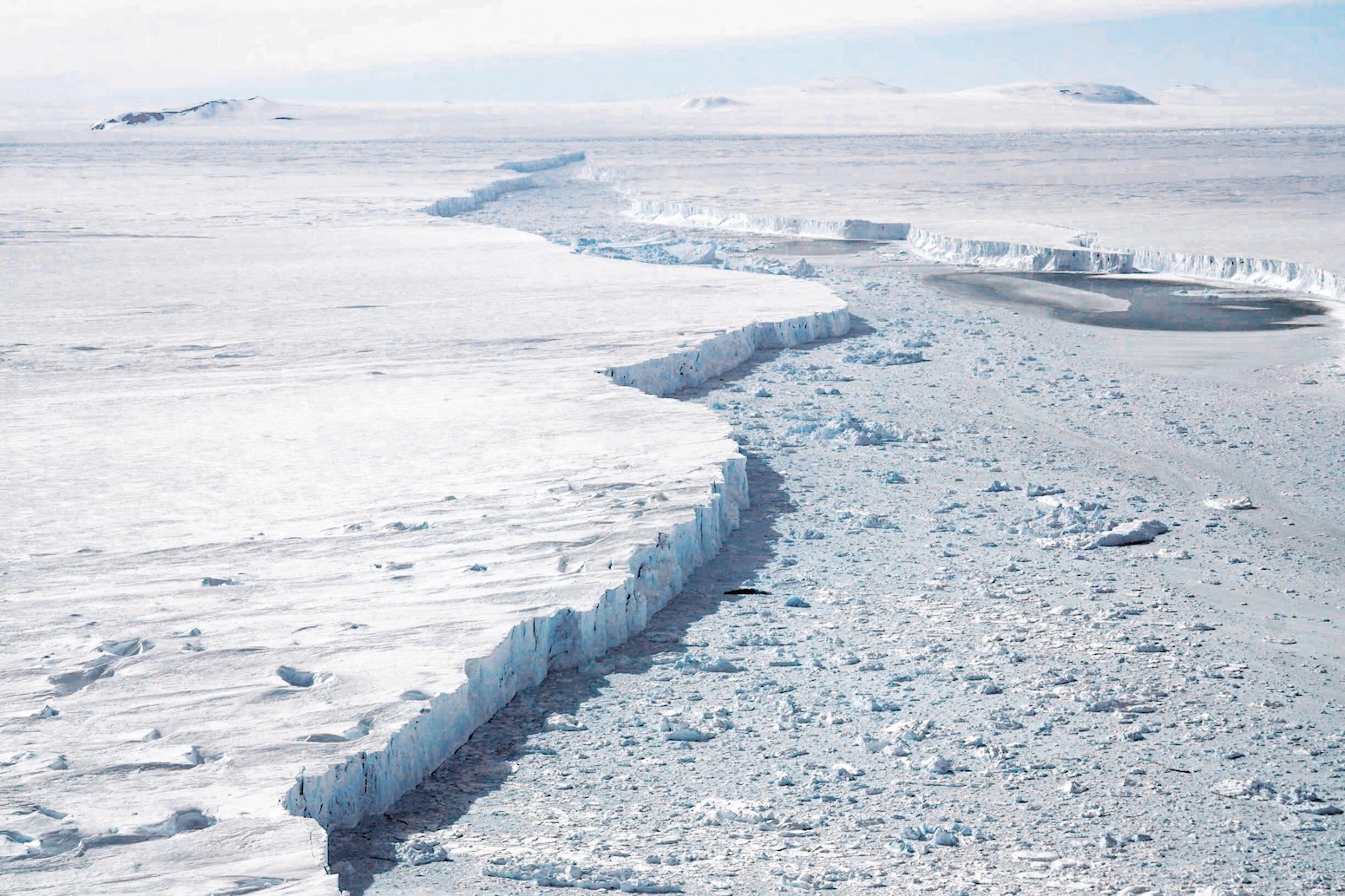
Guest post: Climate change has caused one-fifth of Pine Island glacier retreat - Carbon Brief

New research finds that climate change has been responsible for around 4km – roughly a fifth – of the Pine Island glacier’s retreat.

Raccontata dacarbonbrief.orginfobae.com

Confronto fonti

2 prospettive sulla stessa storia
AI · summaries
carbonbrief.orgStai leggendo2 g fa

Guest post: Climate change has caused one-fifth of Pine Island glacier retreat - Carbon Brief

New research finds that climate change has been responsible for around 4km – roughly a fifth – of the Pine Island glacier’s retreat.

originale
infobae.com1 g fa

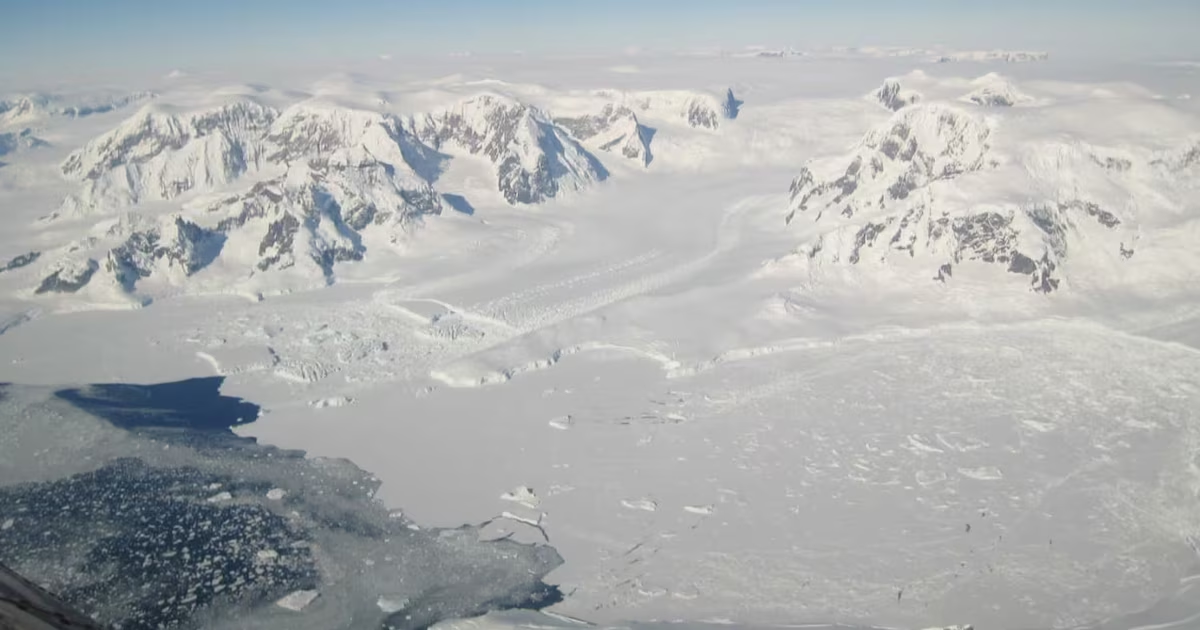
Descubren qué causó el retroceso acelerado de uno de los mayores glaciares de la Antártida

Un estudio estimó que los gases de efecto invernadero intensificaron la retirada entre 18% y 20% desde la década de 1940

Leggi questa versione → originale

Timeline cronologica

  1. lunedì 29 giugno 2026·carbonbrief.org

    Guest post: Climate change has caused one-fifth of Pine Island glacier retreat - Carbon Brief

    New research finds that climate change has been responsible for around 4km – roughly a fifth – of the Pine Island glacier’s retreat.

  2. lunedì 29 giugno 2026·infobae.com

    Descubren qué causó el retroceso acelerado de uno de los mayores glaciares de la Antártida

    Un estudio estimó que los gases de efecto invernadero intensificaron la retirada entre 18% y 20% desde la década de 1940