HomeAI · summaries
Storia in 4 fonti
Why India stayed resilient through the Hormuz crisis - The Economic Times
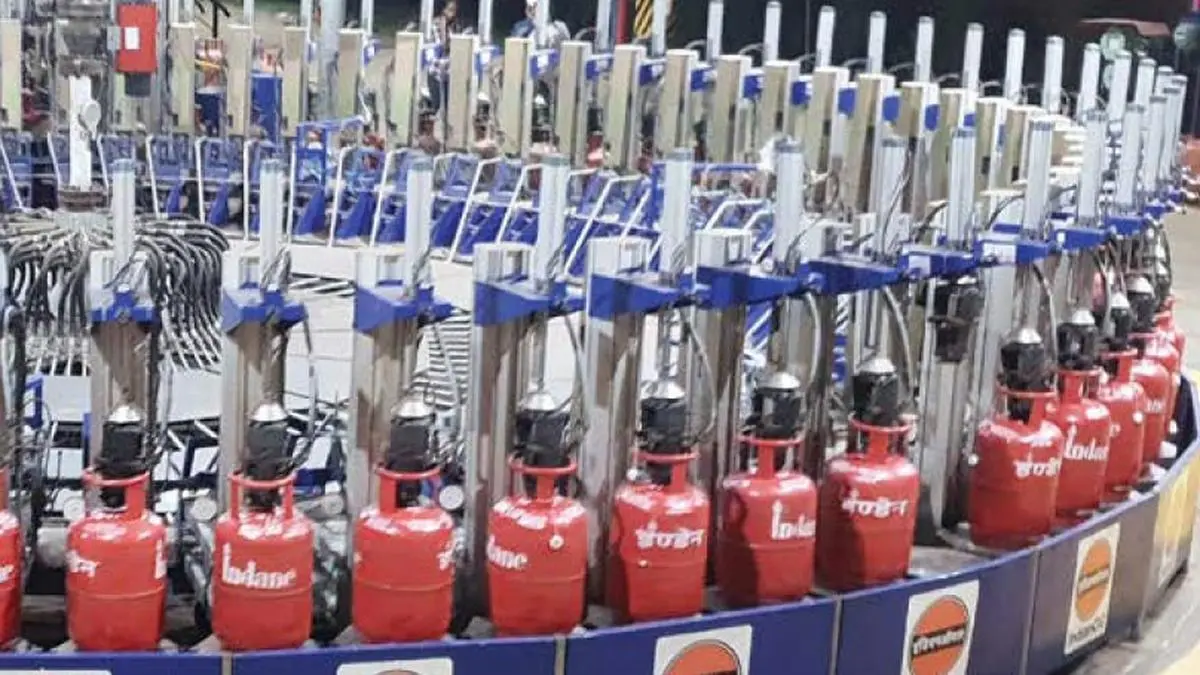
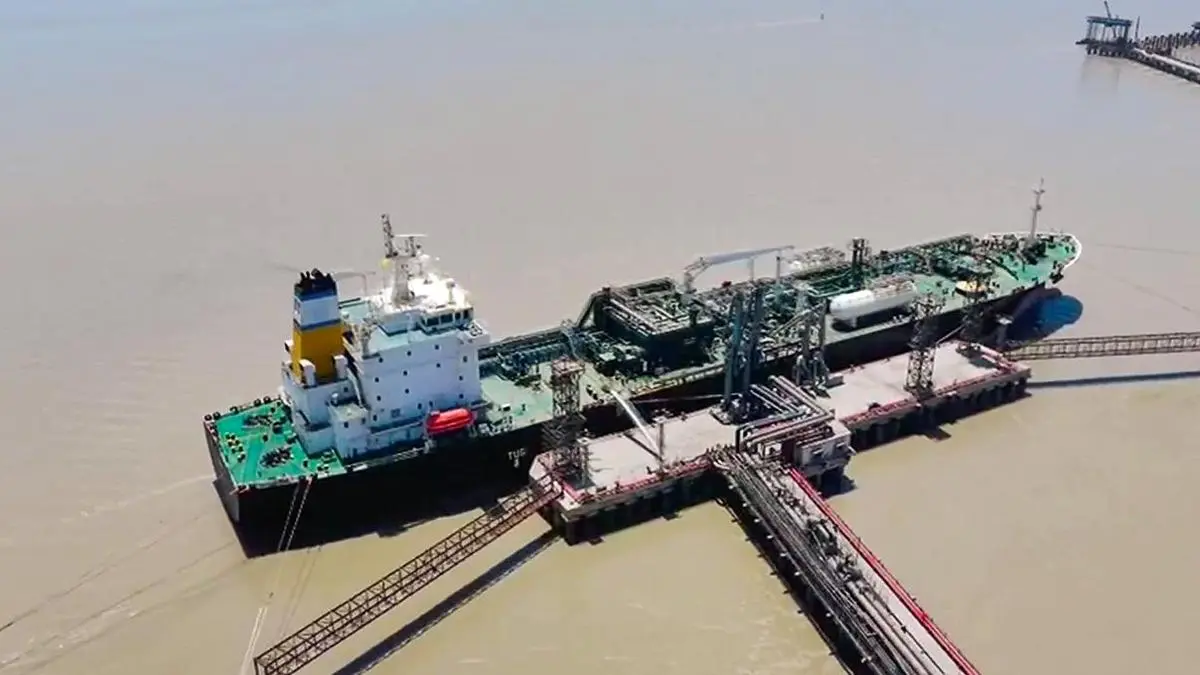
India successfully navigated the Strait of Hormuz closure, ensuring energy security for its citizens. Despite a significant drop in West Asian LPG supplies, domestic production was ramped up, and new international sources were secured. Price disruptions were mitigated through government subsidies and excise duty cuts, keeping fuel costs significantly lower than in other nations. This resilience was built on years of strategic infrastructure development and diversification of crude oil sources.
Confronto fonti
4 prospettive sulla stessa storiaTimeline cronologica
- ·
timesofindia.indiatimes.com

Energy security during Middle East crisis: Why India keeps relying on state-run oil firms despite privatisation bids
Every major crisis India has faced in recent years, from devastating floods and the Covid-19 pandemic to the latest conflict in Middle East that disrupted global oil markets, has…
- ·
economictimes.indiatimes.com
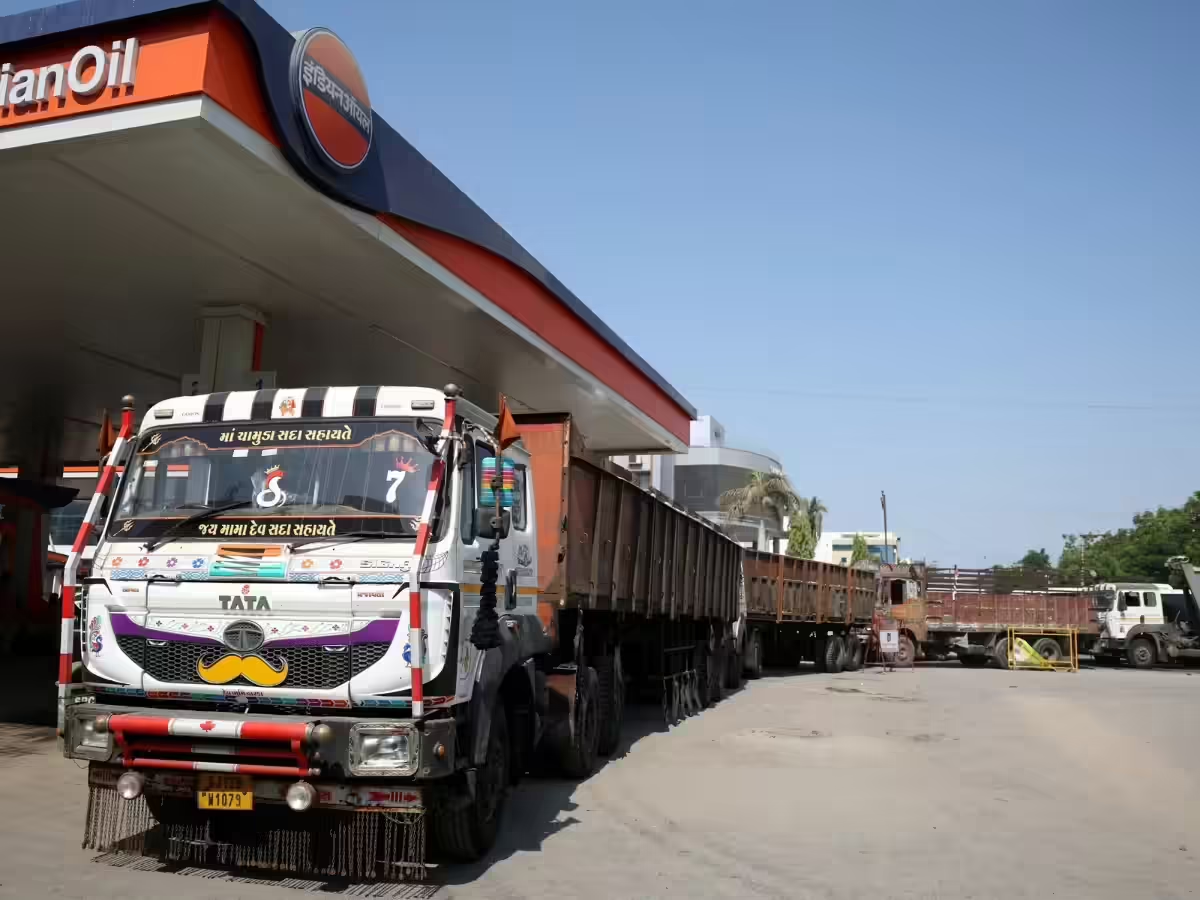
Why India stayed resilient through the Hormuz crisis - The Economic Times
India successfully navigated the Strait of Hormuz closure, ensuring energy security for its citizens. Despite a significant drop in West Asian LPG supplies, domestic production…