HomeAI · summaries
Storia in 4 fonti
Iran's Trump card: The risk premium hasn't gone. It just changed shape
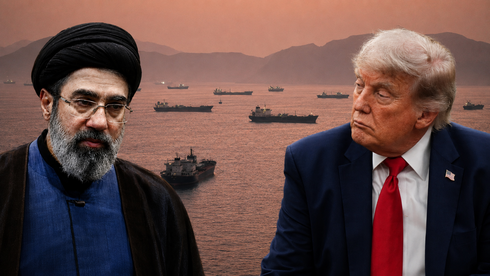
A recent attack on a commercial vessel near the Strait of Hormuz signals a shift from fears of outright war to prolonged uncertainty. Iran's response suggests a move from threatening a complete blockade to asserting control and demanding recognition for its role in regulating shipping. This highlights a new risk premium in energy markets, focusing on potential disruptions and political conditions for passage rather than outright conflict.
Confronto fonti
4 prospettive sulla stessa storiaTimeline cronologica
- ·
bdnews24.com
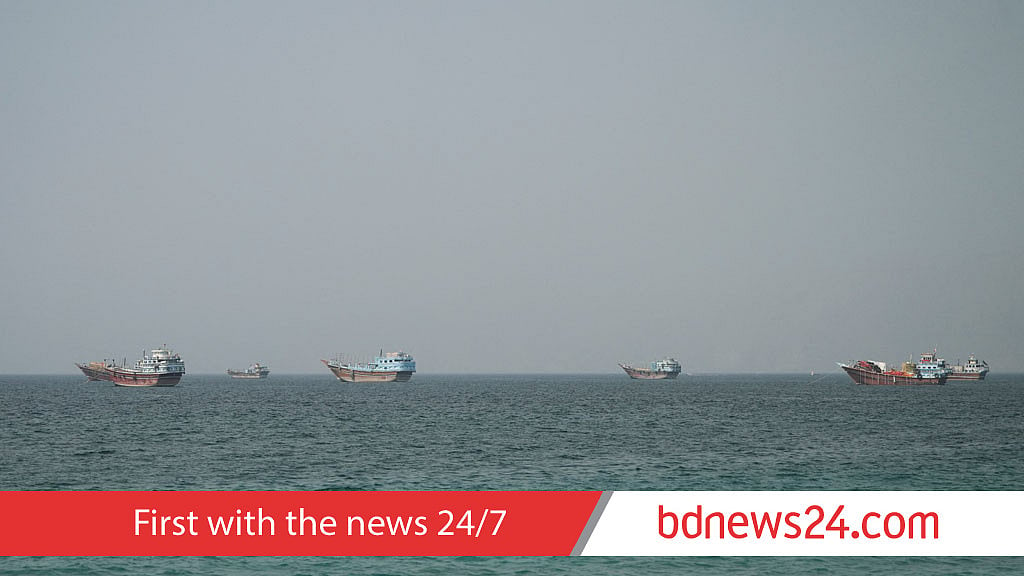
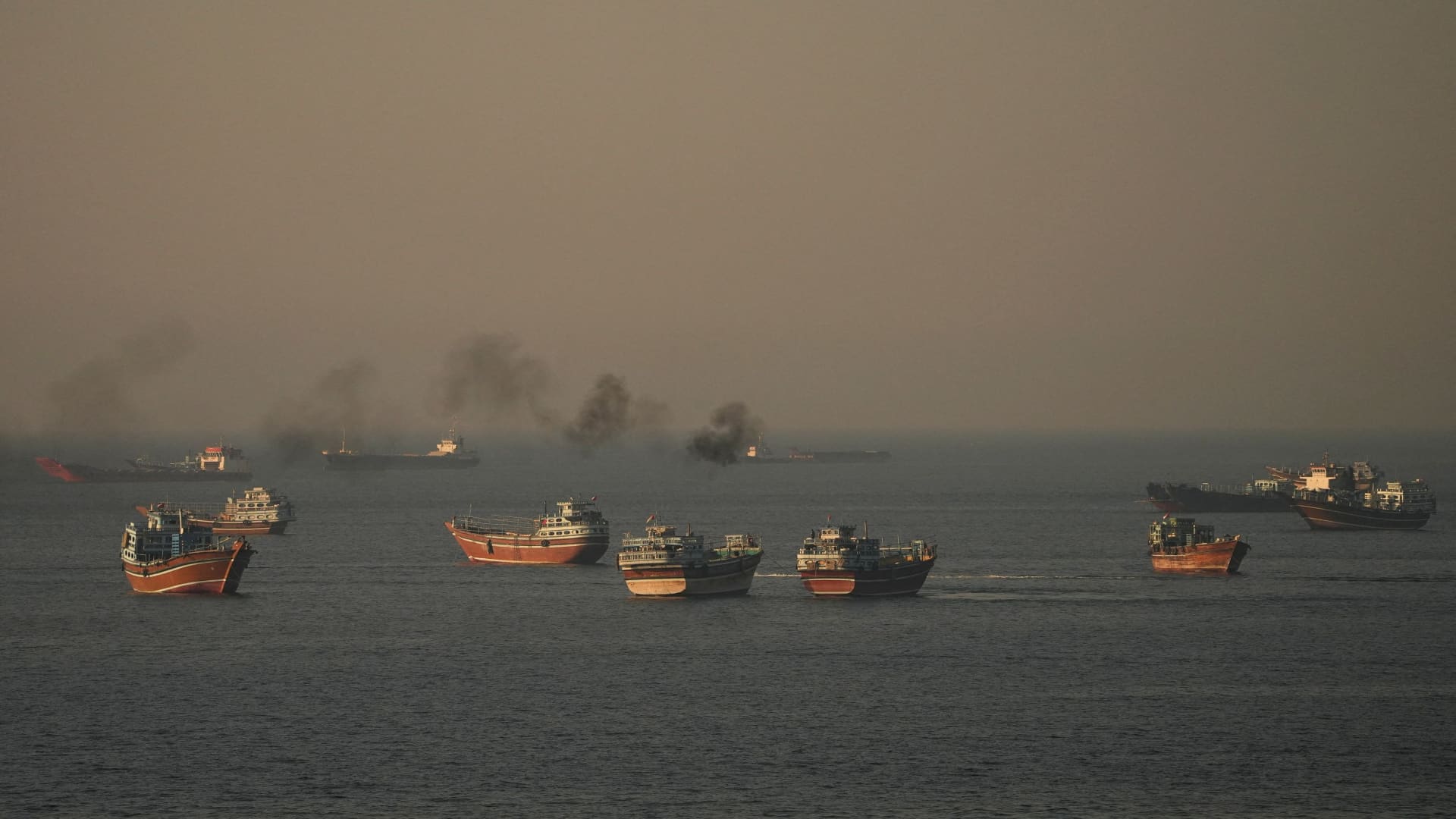
Iran reasserts its right to control shipping in Strait of Hormuz after ship hit near Oman
Oil markets wobble as Iran tightens its grip on the Strait of Hormuz
- ·
economictimes.indiatimes.com
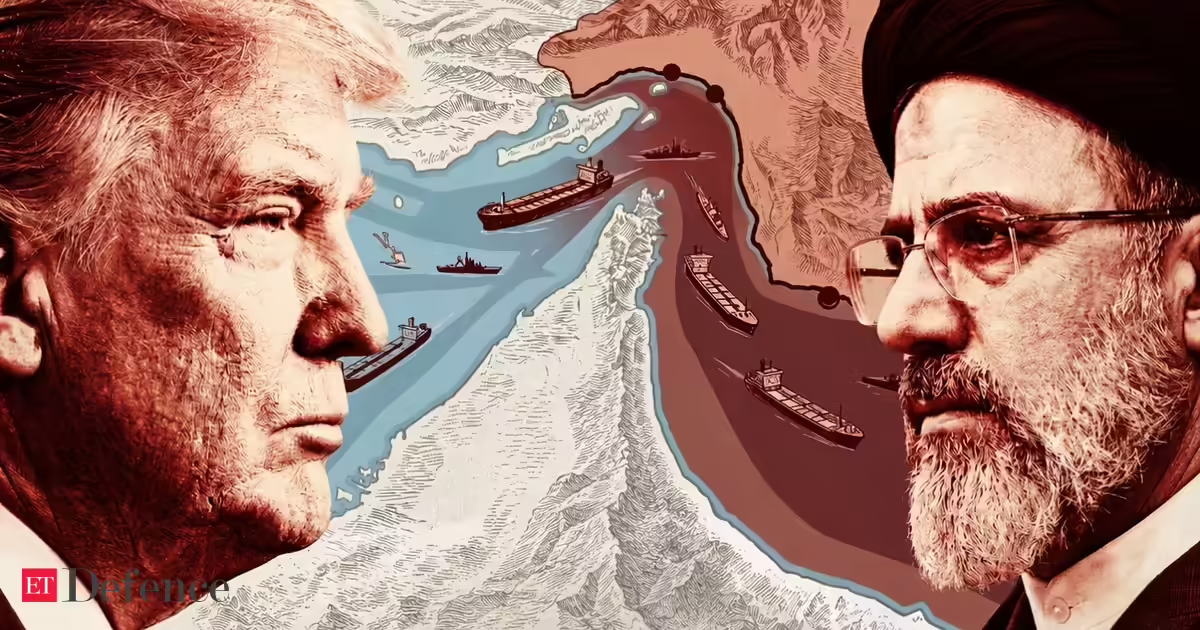
Iran's Trump card: The risk premium hasn't gone. It just changed shape
A recent attack on a commercial vessel near the Strait of Hormuz signals a shift from fears of outright war to prolonged uncertainty. Iran's response suggests a move from…