HomeAI · summaries
Storia in 5 fonti
Iran pitches Gulf states on $40B fee plan for reopening Strait of Hormuz
Tehran is pushing a plan to charge ships for security, safety and environmental services in the strategic oil route, but US Secretary of State Marco Rubio said no country has the right to demand fees for international waterways
Confronto fonti
5 prospettive sulla stessa storiaTimeline cronologica
- ·
france24.com
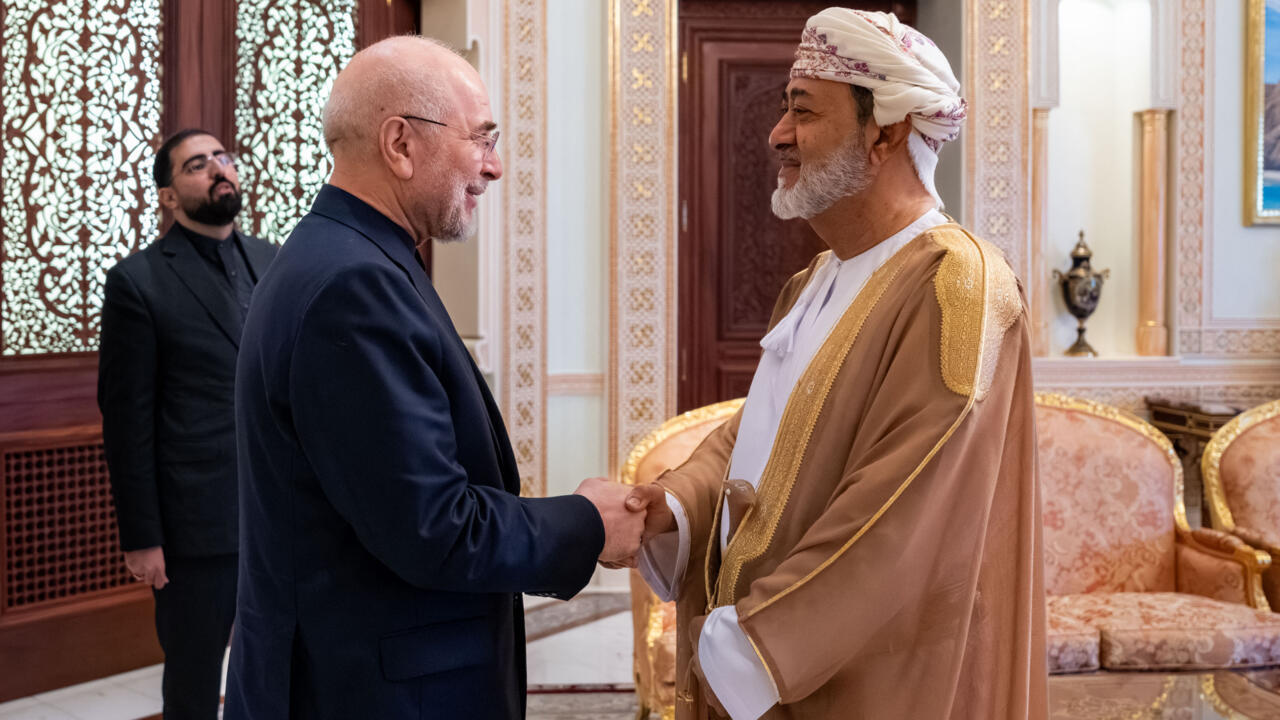
Iran, Oman mull charging Strait of Hormuz 'maritime service fees'
Iran and Oman said Tuesday they would examine charges for what they called maritime service fees in the Strait of Hormuz through a joint working group, pressing ahead with…
- ·
economictimes.indiatimes.com
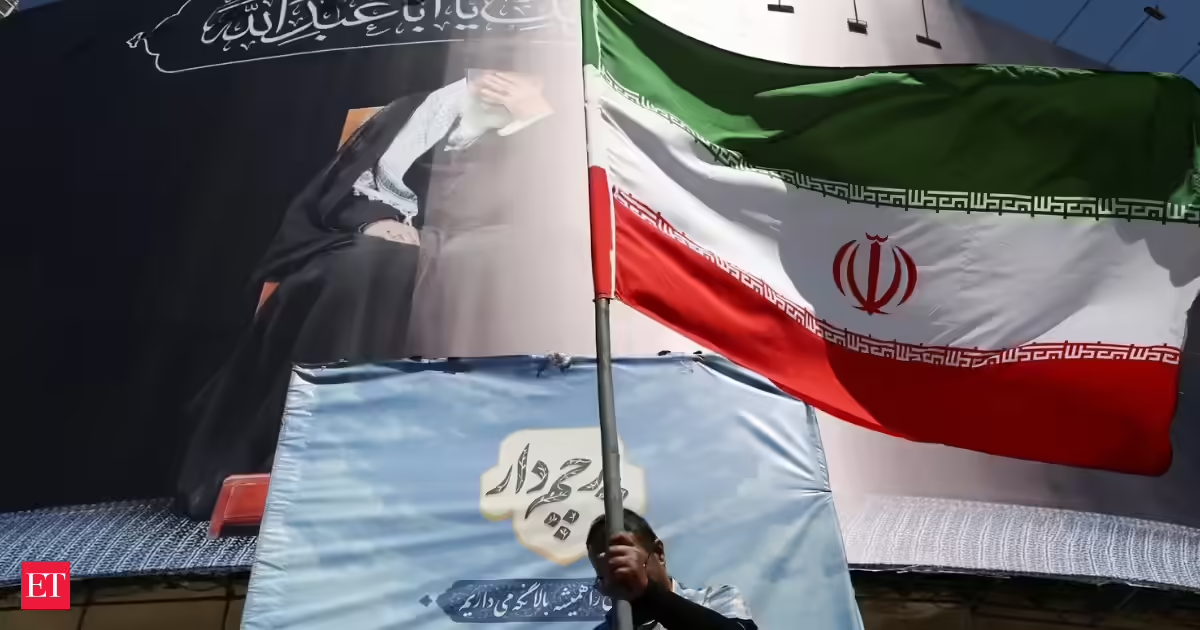
Iran seeks long-term role in managing Strait of Hormuz, eyes billions in annual fees
Iran is proposing new charges for security and services in the Strait of Hormuz, aiming to generate significant revenue and reshape its management post-conflict. Tehran is seeking…