HomeAI · summaries
Storia in 2 fonti
Discovery of 16 human bones changed the course of history. How they survived 40,000 years ago and did climate change made them extinct?
A remarkable discovery of 16 bones in Germany's Neander Valley in 1856 challenged prevailing scientific beliefs about human origins. Initially thought to be ancient humans, these remains were later identified as a distinct species, Homo Neanderthalensis. Further finds globally confirmed their existence, revealing a more complex and sophisticated species than previously imagined, even interbreeding with modern humans.
Confronto fonti
2 prospettive sulla stessa storiaTimeline cronologica
- ·
economictimes.indiatimes.com
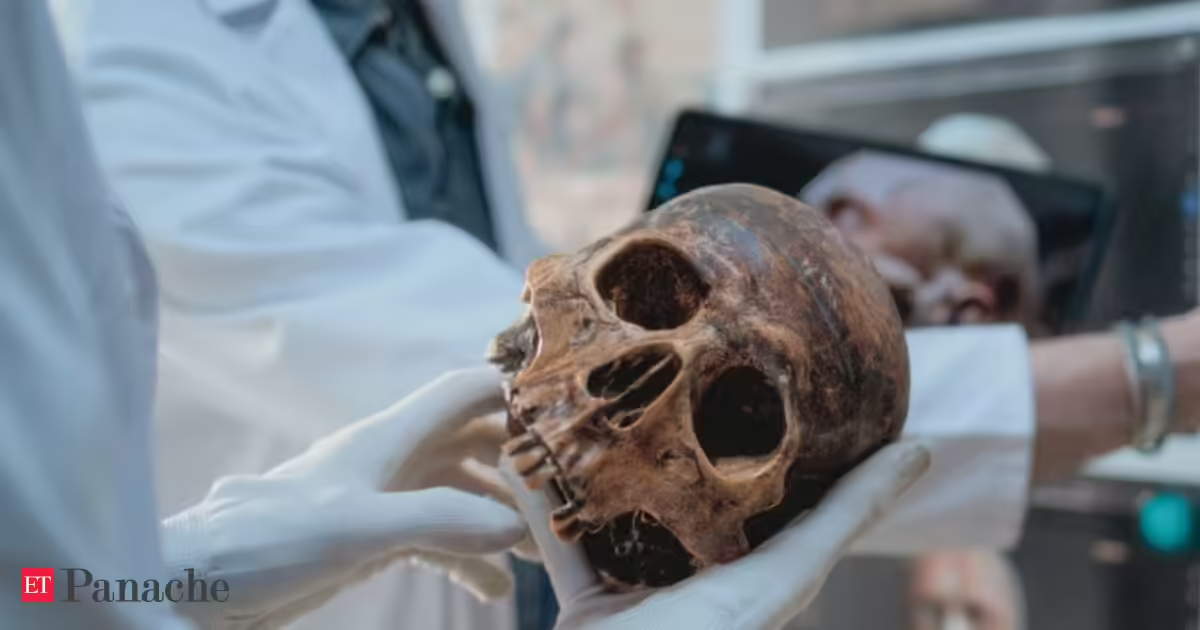
Discovery of 16 human bones changed the course of history. How they survived 40,000 years ago and did climate change made them extinct?
A remarkable discovery of 16 bones in Germany's Neander Valley in 1856 challenged prevailing scientific beliefs about human origins. Initially thought to be ancient humans, these…
- ·
nautil.us
Some Neanderthals Were Genetically Healthy Right Up Until the End
Some Neanderthals Were Genetically Healthy Right Up Until the End: Not all populations of the ancient human species were struggling prior to their mysterious demise