WARPTECHNEWS · LAB
HomeAIBusinessTechArchive
WARPTECH LAB NEWS

Warptech Lab News aggrega le notizie più rilevanti da oltre 700 fonti internazionali, con classificazione AI, TL;DR sintetici e timeline cluster su singole storie.

Navigazione

  • Home
  • Archivio
  • Editor's Brief
  • Cerca
  • Il tuo account
  • Newsletter tech/AI

Informazioni legali

  • Privacy Policy
  • Termini di servizio
  • Cookie Policy

© 2026 Sparktech S.R.L. — Tutti i diritti riservati. Sito gestito e manutenuto da Sparktech S.R.L.

Sede legale: Corso Libertà 55, 13100 Vercelli (VC), Italia · P.IVA / C.F. 02835910023 · Contatti: admin@warptechlab.com

Home
Storia in 2 fonti

Weedkiller banned in 70 countries remains legal in Australia

A controversial weed killer banned in more than 70 countries and linked to Parkinson's disease will still be used in Australia.

Raccontata datheguardian.comtheage.com.au

Confronto fonti

2 prospettive sulla stessa storia
AI · summaries
theage.com.auStai leggendo2 g fa

Weedkiller banned in 70 countries remains legal in Australia

A controversial weed killer banned in more than 70 countries and linked to Parkinson's disease will still be used in Australia.

originale
theguardian.com2 g fa

Paraquat will continue to be used in Australia despite 70 countries banning weedkiller over Parkinson’s…

Herbicide manufacturer Syngenta had reservations dating back to 1970s but regulator says tighter controls, including phasing out backpack sprayers, can protect workers

Leggi questa versione → originale

Timeline cronologica

  1. martedì 23 giugno 2026·theguardian.com

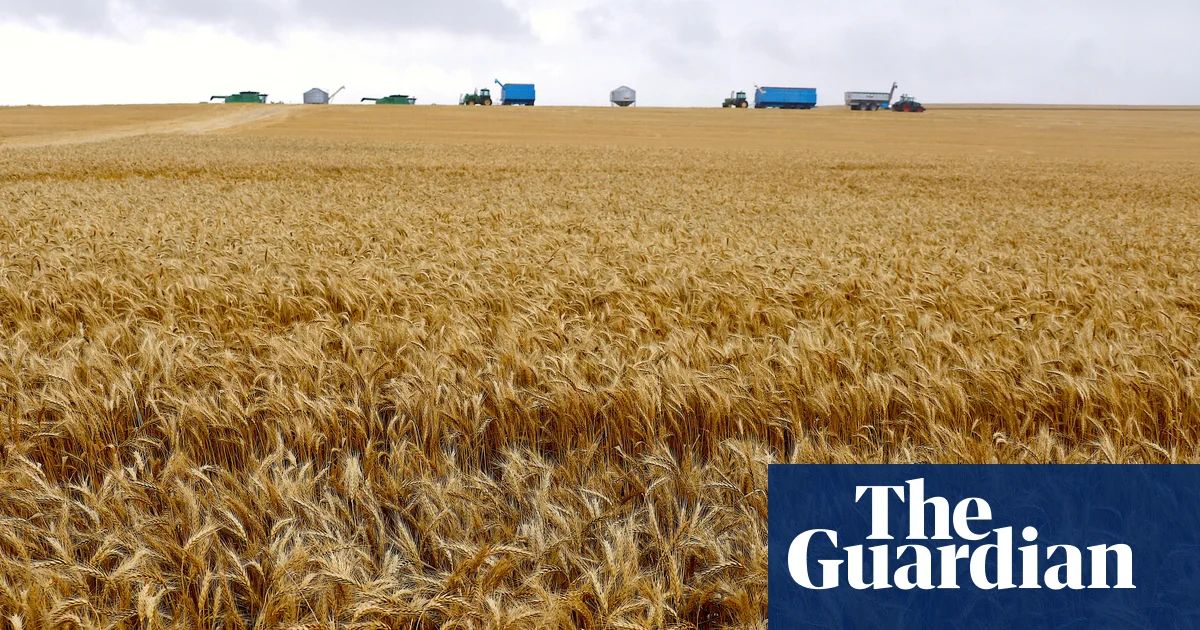
    Paraquat will continue to be used in Australia despite 70 countries banning weedkiller over Parkinson’s disease fears

    Herbicide manufacturer Syngenta had reservations dating back to 1970s but regulator says tighter controls, including phasing out backpack sprayers, can protect workers

  2. martedì 23 giugno 2026·theage.com.au

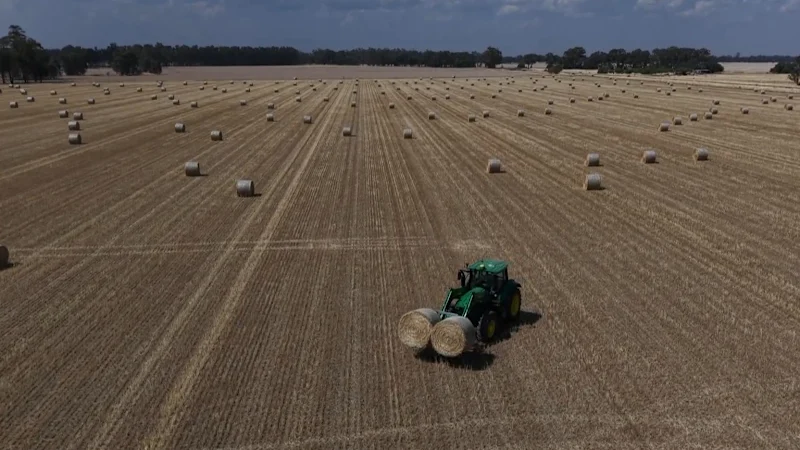
    Weedkiller banned in 70 countries remains legal in Australia

    A controversial weed killer banned in more than 70 countries and linked to Parkinson's disease will still be used in Australia.