HomeAI · summaries
Storia in 2 fonti
Banks seek RBI nod to let NRIs break & rebook existing deposits - The Economic Times
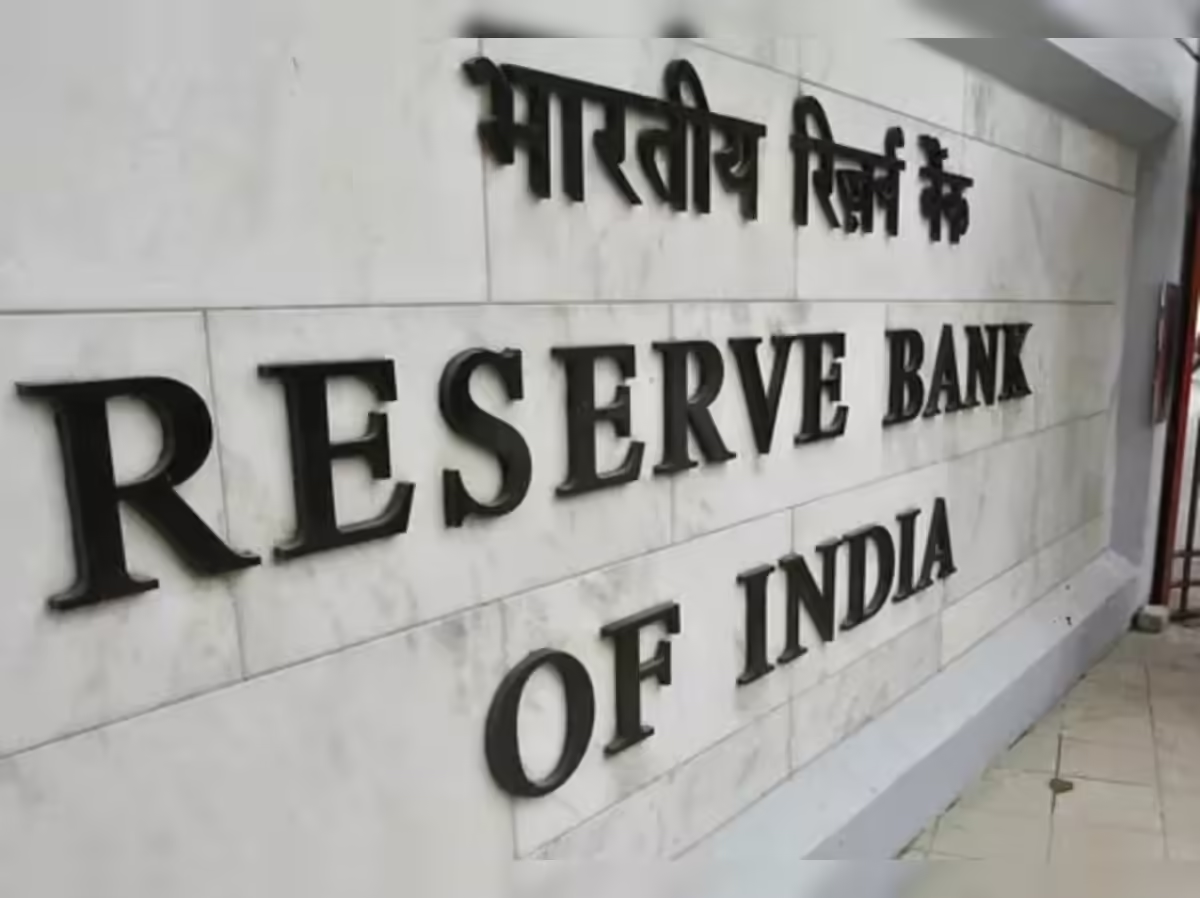
To incentivise foreign currency inflows, the Reserve Bank of India will swap fresh dollar term deposits raised until end-September at par. In effect, the RBI will bear the entire hedging cost on deposits mobilised under the Foreign Currency Non-Resident (Bank), or FCNR(B), scheme. In line with the RBI's expectations, banks are passing on almost the entire benefit to depositors, making these deposits more attractive.
Confronto fonti
2 prospettive sulla stessa storiaTimeline cronologica
- ·
economictimes.indiatimes.com

RBI temporarily eases NRI deposit rate norms to attract overseas funds
The Reserve Bank of India has eased interest rate rules for overseas deposits. This allows banks to offer better returns on FCNR(B) and NRE accounts. The changes aim to attract…
- ·

How NRIs, OCIs may benefit as RBI allows banks to offer higher interest rates on certain FCNRs, NREs - The Economic Times