HomeAI · summaries
Storia in 2 fonti
Defense Business Brief: Tech Summit recap; Invoking the Defense Production Act; and INDOPACOM’s name change
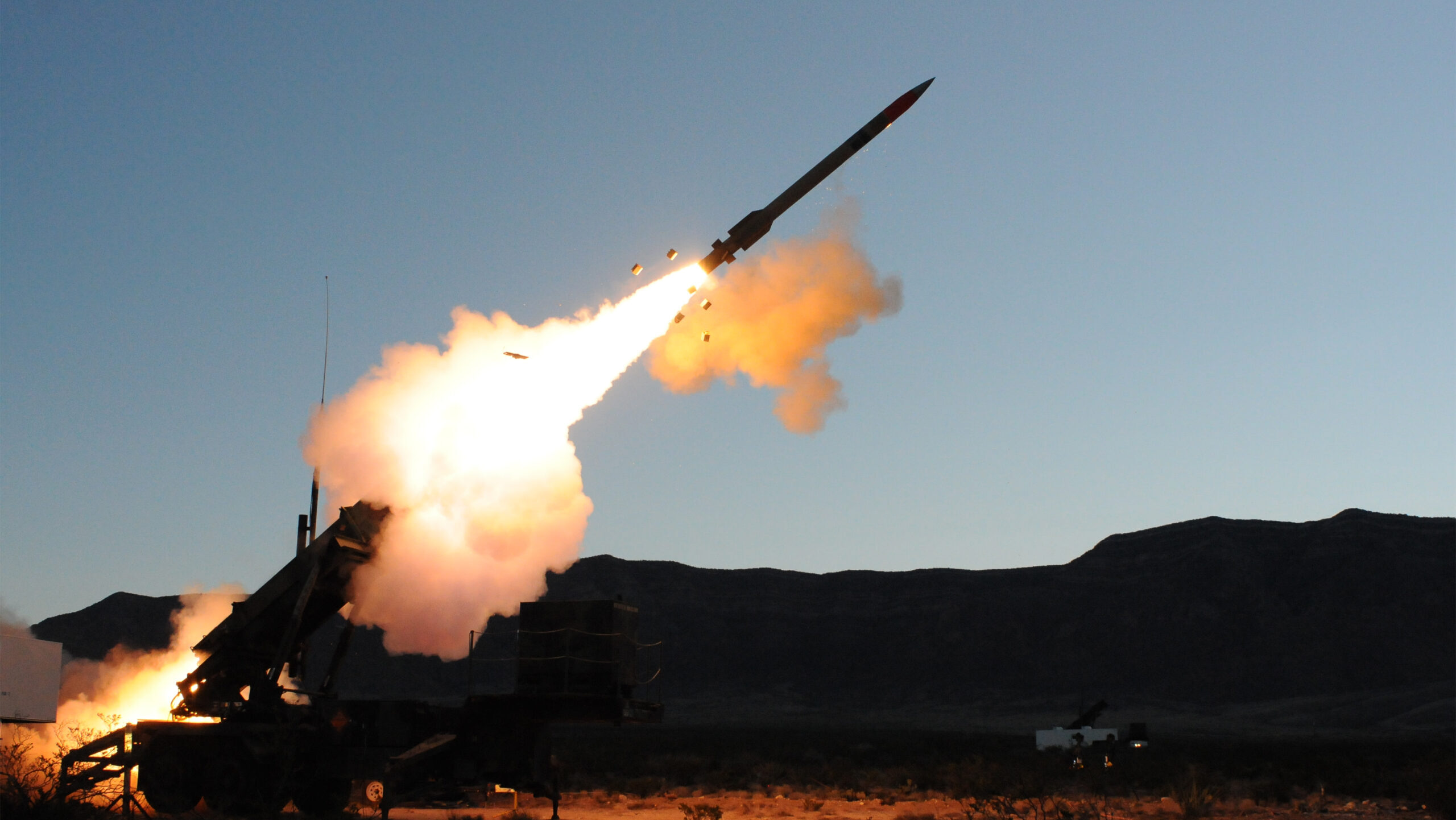
The Defense Production Act has entered the munitions chat even as concerns persist about weapons stockpiles spent in the U.S.-Israel war on Iran. “It's not a sudden shift, it's taken us nine months to make this work,” Michael Cadenazzi, the Pentagon’s industrial base policy chief, said during an event Tuesday at the Center for a New American Security on Tuesday. “So that was one of my first chores when I came into the Pentagon back in September was to launch something called a ‘voluntary agreement,’” under the Defense Production Act. Cadenazzi’s comments follow the White House’s quiet invocation of the Defense Production Act. The DPA is up for reauthorization and expires Sept. 30. The Pentagon currently has two such arrangements: the Civil Reserve Air Fleet, where the government can call on commercial airlines and aerospace manufacturers for national needs; and the Voluntary Intermodal Sealift Agreement for maritime vessels, which allows U.S. merchant vessels to participate in exchange for priority access to Defense Department cargoes during peacetime. “This tool and this designation allows us…to talk about different things like electronics, materials, ammonium perchlorate, rocket motors” and bring competing companies in to discuss needs and challenges without worrying about “antitrust rules,” Cadenazzi said. “It's a way for us to communicate and leverage industry using a specific set of authorities. In this particular case, our interest is using voluntary agreements as a way to bring industry in—in an antitrust environment—to go ahead and have conversations with them, for us to articulate problems to them around nasty issues in the supply chain or the industrial base that allow them to communicate and work together, essentially collude, for want of a better term.”The DPA authority could also create a steady demand signal, Cadenazzi said, noting voluntary agreements could also be used to include a myriad of defense suppliers, such as tire makers.“We want these to be set up as an enduring capability, so expect to see more of these. I want to bring the tires people in to have conversations about tires,” he said. “It's just the gritty underbelly of the industrial base, but I think they deserve a lot more attention, and this is one of the tools we want to bring to bear.”WelcomeYou’ve reached the Defense Business Brief, where we dig into what the Pentagon buys, who they’re buying from, and why. Send along your tips, feedback, and cold-plunge soundtrack recommendations to lwilliams@defenseone.com. Check out the Defense Business Brief archive here, and tell your friends to subscribe!My D1 Tech Summit takeaway: The Office of Naval Research is working on a strategy to bring new tech to the fleet faster. The plan, which is in its final production stages, will spell out what the service wants and highlight key areas of scientific interest, like having one human controlling a swarm of drones.
Confronto fonti
2 prospettive sulla stessa storiaTimeline cronologica
- ·
breakingdefense.com
Pentagon aims to sidestep potential 'collusion' through Defense Production Act: Senior official - Breaking Defense
"Our interest is using voluntary agreements .... For us to articulate problems to them around nasty issues in the supply chain and the industrial base that allow them to…
- ·
defenseone.com
Defense Business Brief: Tech Summit recap; Invoking the Defense Production Act; and INDOPACOM’s name change
The Defense Production Act has entered the munitions chat even as concerns persist about weapons stockpiles spent in the U.S.-Israel war on Iran. “It's not a sudden shift, it's…