WARPTECHNEWS · LAB
HomeAIBusinessTechArchive
WARPTECH LAB NEWS

Warptech Lab News aggrega le notizie più rilevanti da oltre 700 fonti internazionali, con classificazione AI, TL;DR sintetici e timeline cluster su singole storie.

Navigazione

  • Home
  • Archivio
  • Editor's Brief
  • Cerca
  • Il tuo account
  • Newsletter tech/AI

Informazioni legali

  • Privacy Policy
  • Termini di servizio
  • Cookie Policy

© 2026 Sparktech S.R.L. — Tutti i diritti riservati. Sito gestito e manutenuto da Sparktech S.R.L.

Sede legale: Corso Libertà 55, 13100 Vercelli (VC), Italia · P.IVA / C.F. 02835910023 · Contatti: admin@warptechlab.com

Home
Storia in 2 fonti

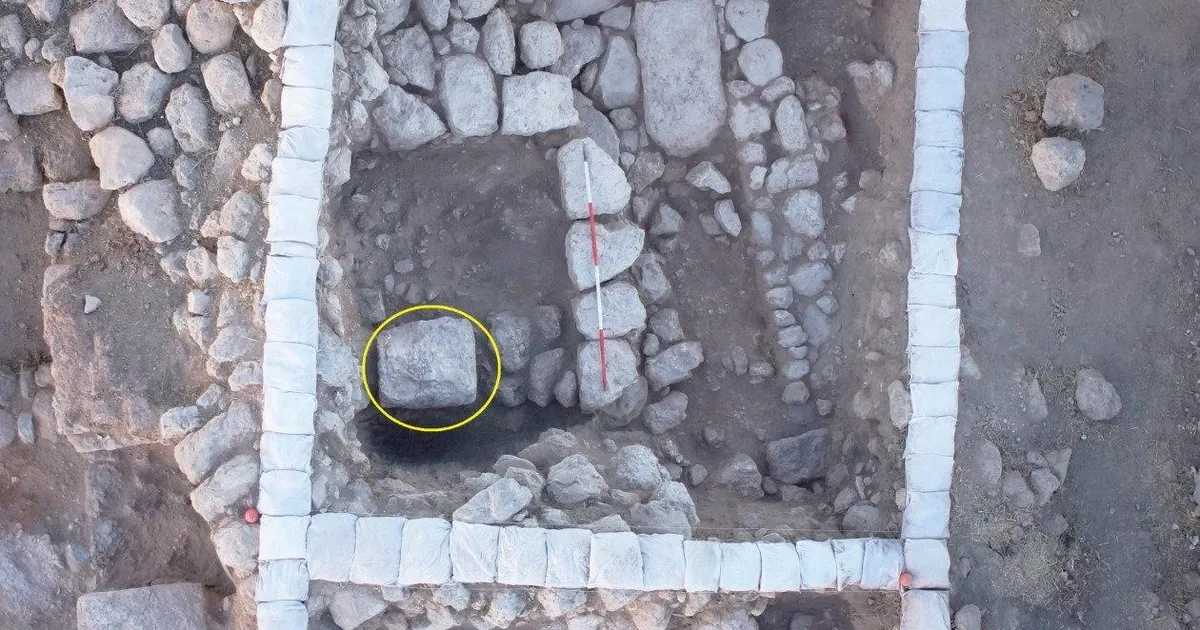
2,700-year-old stone may shed light on Kingdom of Judah’s religious revolution

A rare cultic stone found at Tel Eton was deliberately buried before the Assyrian conquest, adding new evidence to the debate over King Hezekiah’s reforms

Raccontata dahaaretz.comynetnews.com

Confronto fonti

2 prospettive sulla stessa storia
AI · summaries
ynetnews.comStai leggendo5 g fa

2,700-year-old stone may shed light on Kingdom of Judah’s religious revolution

A rare cultic stone found at Tel Eton was deliberately buried before the Assyrian conquest, adding new evidence to the debate over King Hezekiah’s reforms

originale
haaretz.com6 g fa

Fallen standing stone built into later house may show King Hezekiah reform

Repurposing Religious Artifacts as Bricks Was Not Rare in the Ancient World, but This Particular Case in Tel 'Eton May Support the Historicity of a Biblical Tale

Leggi questa versione → originale

Timeline cronologica

  1. martedì 16 giugno 2026·haaretz.com

    Fallen standing stone built into later house may show King Hezekiah reform

    Repurposing Religious Artifacts as Bricks Was Not Rare in the Ancient World, but This Particular Case in Tel 'Eton May Support the Historicity of a Biblical Tale

  2. mercoledì 17 giugno 2026·ynetnews.com

    2,700-year-old stone may shed light on Kingdom of Judah’s religious revolution

    A rare cultic stone found at Tel Eton was deliberately buried before the Assyrian conquest, adding new evidence to the debate over King Hezekiah’s reforms