WARPTECHNEWS · LAB
HomeAIBusinessTechArchive
WARPTECH LAB NEWS

Warptech Lab News aggrega le notizie più rilevanti da oltre 700 fonti internazionali, con classificazione AI, TL;DR sintetici e timeline cluster su singole storie.

Navigazione

  • Home
  • Archivio
  • Editor's Brief
  • Cerca
  • Il tuo account
  • Newsletter tech/AI

Informazioni legali

  • Privacy Policy
  • Termini di servizio
  • Cookie Policy

© 2026 Sparktech S.R.L. — Tutti i diritti riservati. Sito gestito e manutenuto da Sparktech S.R.L.

Sede legale: Corso Libertà 55, 13100 Vercelli (VC), Italia · P.IVA / C.F. 02835910023 · Contatti: admin@warptechlab.com

Home
Storia in 2 fonti

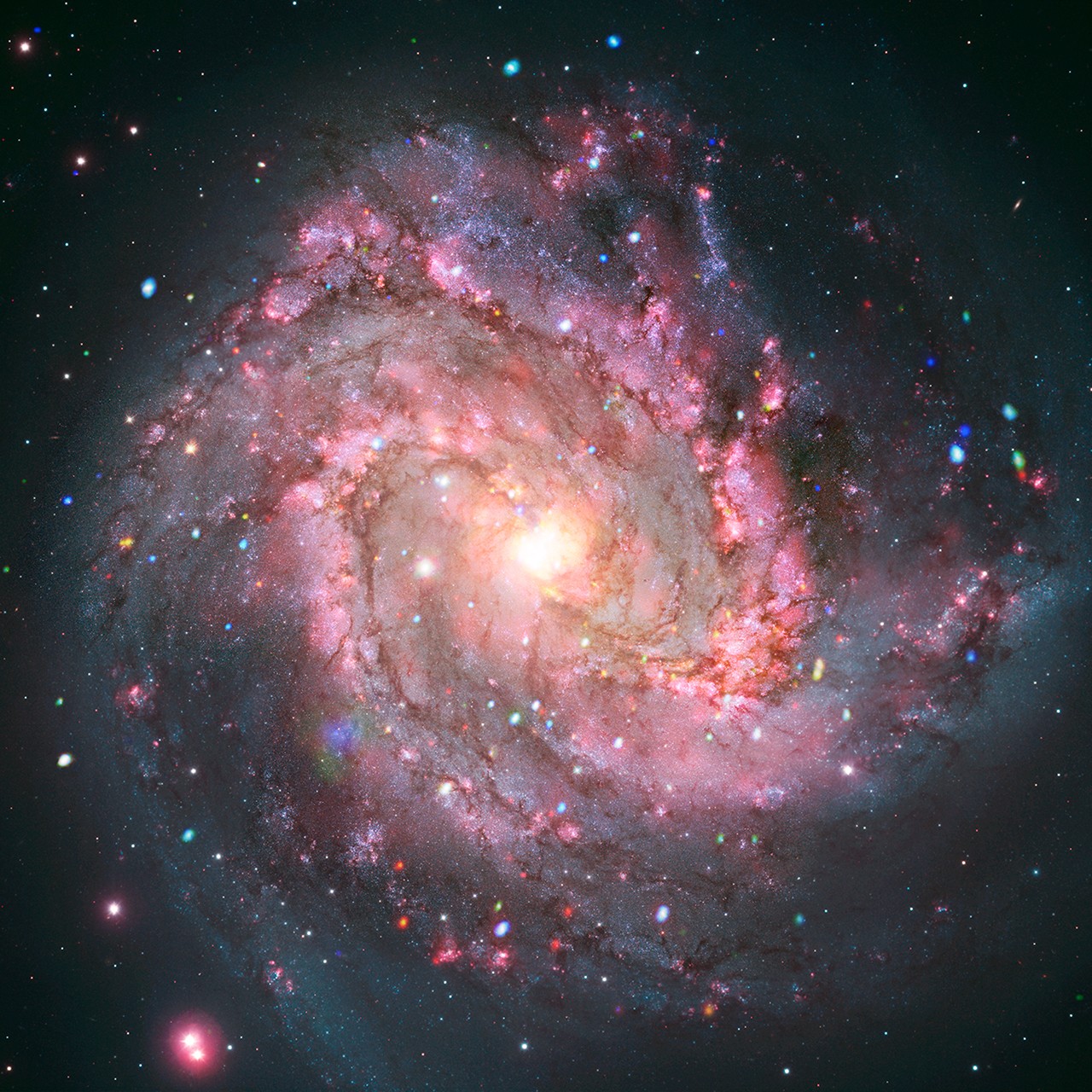
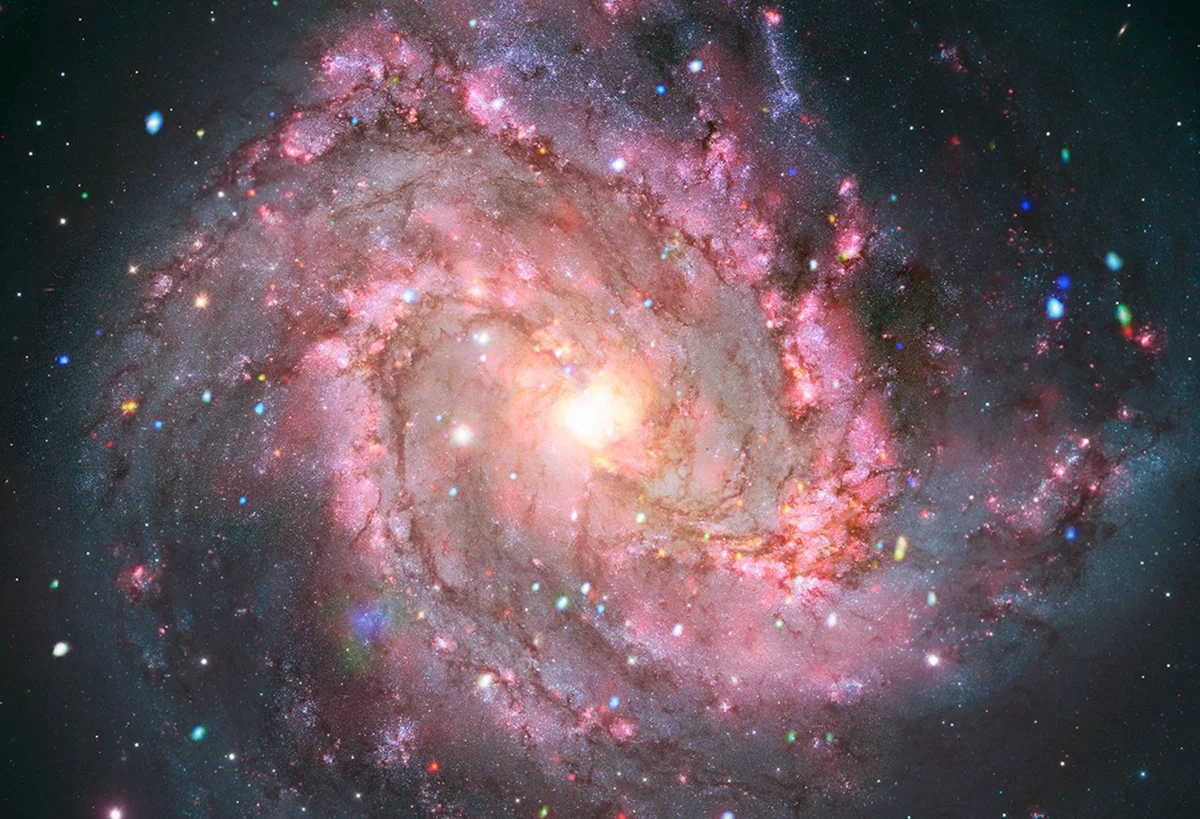
NASA data reveals weird x-ray changes in the exploded ruins of dead stars

This sparkling galaxy is home to a set of supernova remnants that showed variable brightnesses over 14 years of data

Raccontata dascience.nasa.govscientificamerican.com

Confronto fonti

2 prospettive sulla stessa storia
AI · summaries
scientificamerican.comStai leggendo1 g fa

NASA data reveals weird x-ray changes in the exploded ruins of dead stars

This sparkling galaxy is home to a set of supernova remnants that showed variable brightnesses over 14 years of data

originale
science.nasa.gov2 g fa

NASA's Chandra Finds Unexpected Fireworks in Aftermath of Stellar Explosions - NASA Science

Over a 14-year period from 2000 to 2014, astronomers pointed NASA’s X-ray observatory at the M83 galaxy. They discovered that about half of the X-ray sources

Leggi questa versione → originale

Timeline cronologica

  1. lunedì 15 giugno 2026·science.nasa.gov

    NASA's Chandra Finds Unexpected Fireworks in Aftermath of Stellar Explosions - NASA Science

    Over a 14-year period from 2000 to 2014, astronomers pointed NASA’s X-ray observatory at the M83 galaxy. They discovered that about half of the X-ray sources

  2. martedì 16 giugno 2026·scientificamerican.com

    NASA data reveals weird x-ray changes in the exploded ruins of dead stars

    This sparkling galaxy is home to a set of supernova remnants that showed variable brightnesses over 14 years of data