HomeAI · summaries
Storia in 11 fonti
What are teenagers saying about the under-16s social media ban?
Stay up to date with notifications from The IndependentNotifications can be managed in browser preferences.AllNewsSportCultureLifestyleSir Keir Starmer has announced government plans to ban under-16s from most social media platforms, including Snapchat, TikTok, YouTube, Instagram, Facebook and X, from as early as spring next year. Young people have expressed mixed reactions. Hollie, 13, said she believes the ban is the “right thing to do” but thinks “it's going to be quite hard to enforce that rule because a lot of people might not agree with it”.Nancy, 15, said she believes a ban is “actually very positive” for children her age. “I really think it's a good thing because social media can bring up all sorts of bad stuff like bullying,” she added.Olivia, 14, said that while she supports some restrictions, she thinks children should be educated on how to use social media “positively”, rather than face a ban. Lucy, 16, broadly concurred, adding: “As a 16-year-old who has grown up with social media, I think it has positives and negatives. Although I find myself scrolling for longer than I should be, my friends and I use it as our main form of communication.”In fullTeens react to Starmer’s UK social media ban for under-16s: the ‘right thing’ but ‘unlikely to make much difference’Thank you for registeringPlease refresh the page or navigate to another page on the site to be automatically logged inPlease refresh your browser to be logged in
Confronto fonti
6 prospettive sulla stessa storiaTimeline cronologica
- ·
theguardian.com
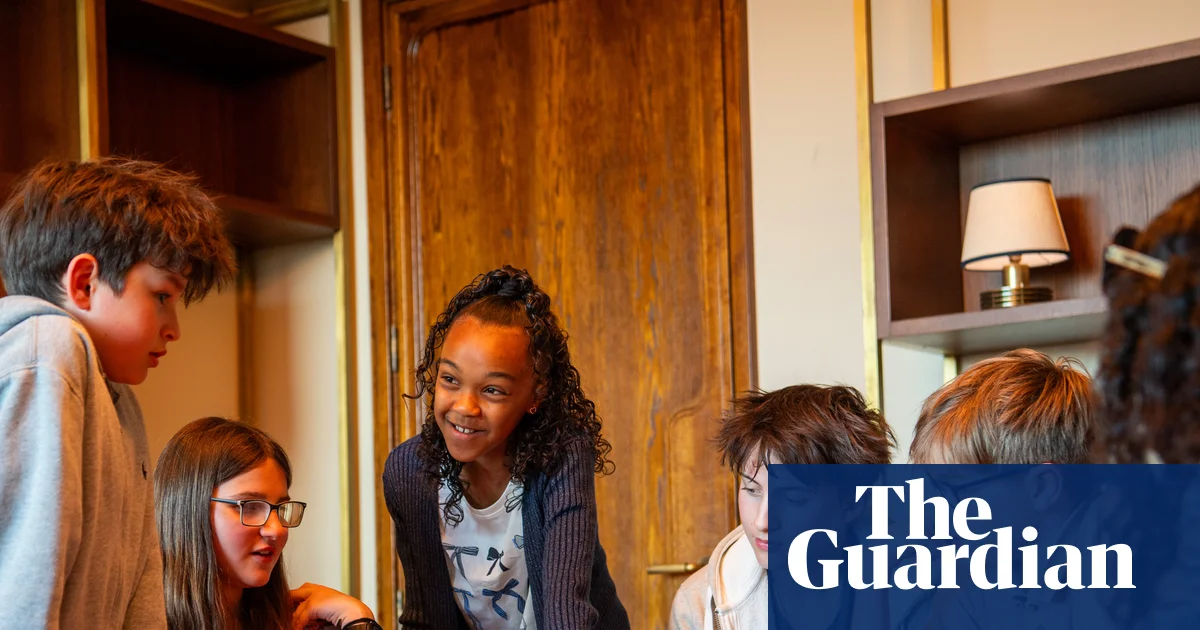
UK parents support an under-16 social media ban – but what do their children think?
These young people recognise dangers of ‘addictive’ social media but have differing views on a total crackdown
- ·
france24.com
UK PM announces ban on social media for under-16s
British Prime Minister Keir Starmer on Monday announced a forthcoming total ban on social media for children under 16, saying that such platforms are "making children unhappy".
- ·
channelnewsasia.com
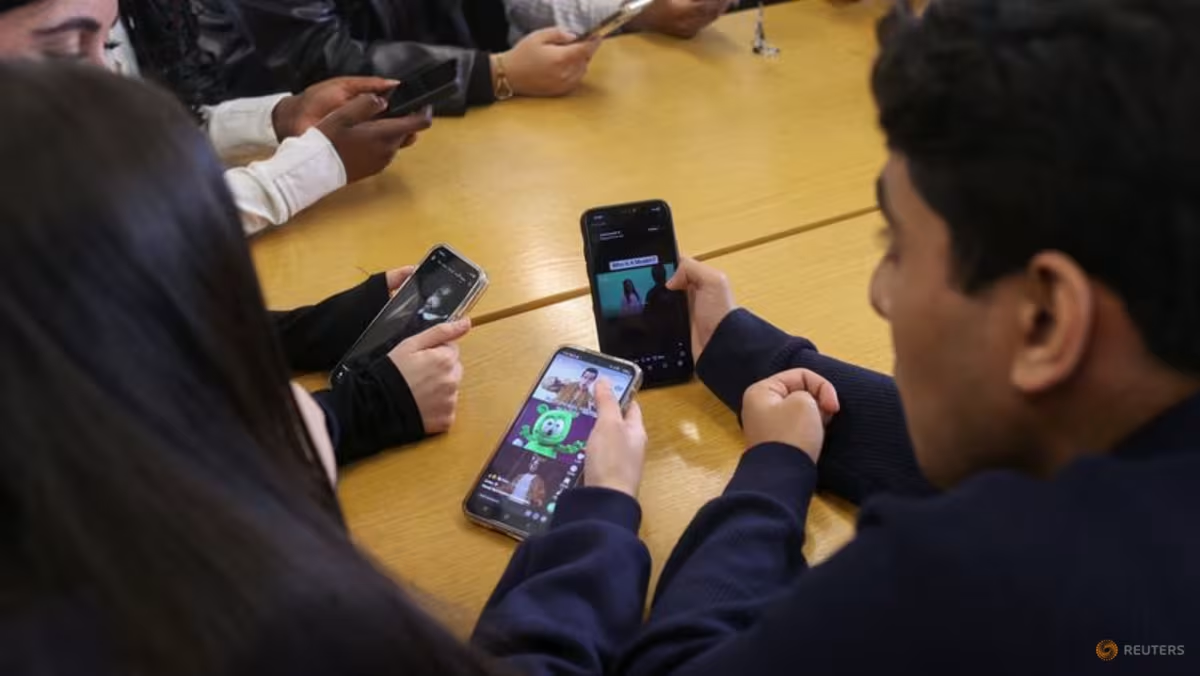
Britain to ban social media for under-16s
LONDON, June 15 : British Prime Minister Keir Starmer said on Monday he would ban social media sites for all under-16s, saying it was needed to protect the wellbeing of children.
- ·
independent.co.uk
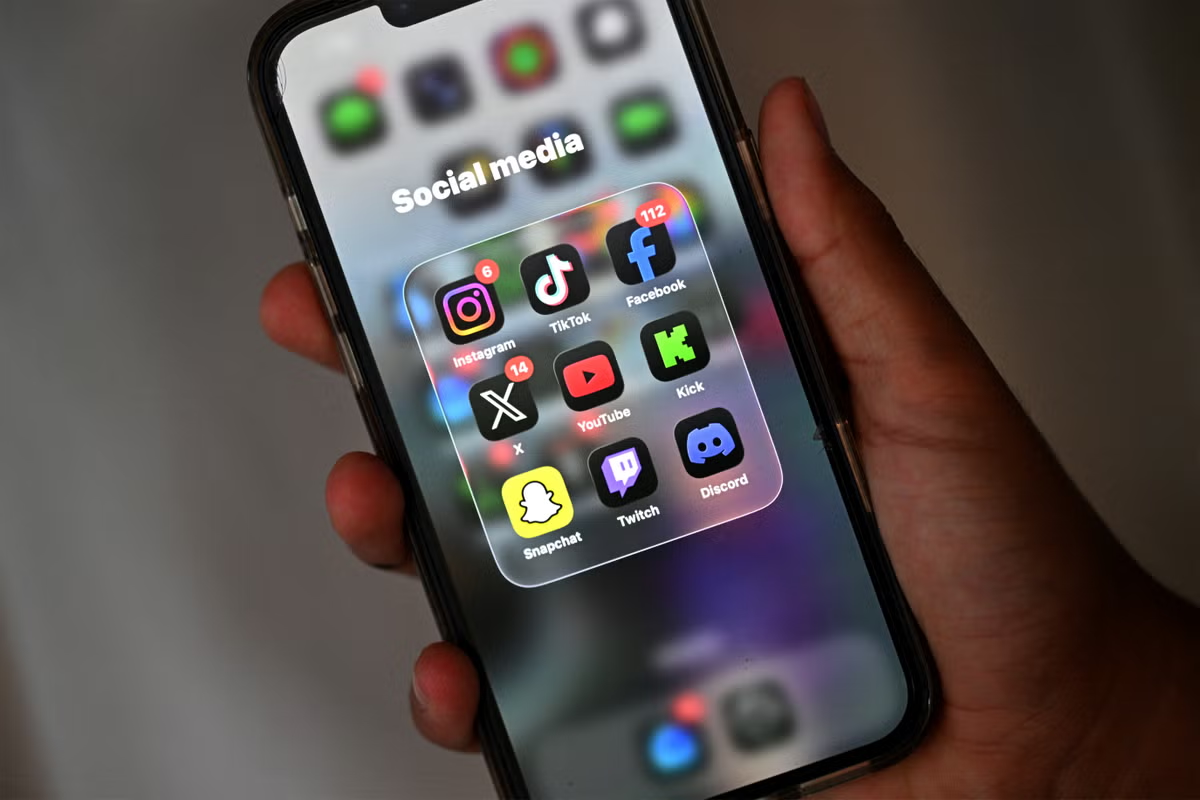
Keir Starmer confirms social media ban for children under sixteen
Stay up to date with notifications from The IndependentNotifications can be managed in browser preferences.AllNewsSportCultureLifestyleSir Keir Starmer has officially confirmed…
- ·
cityam.com
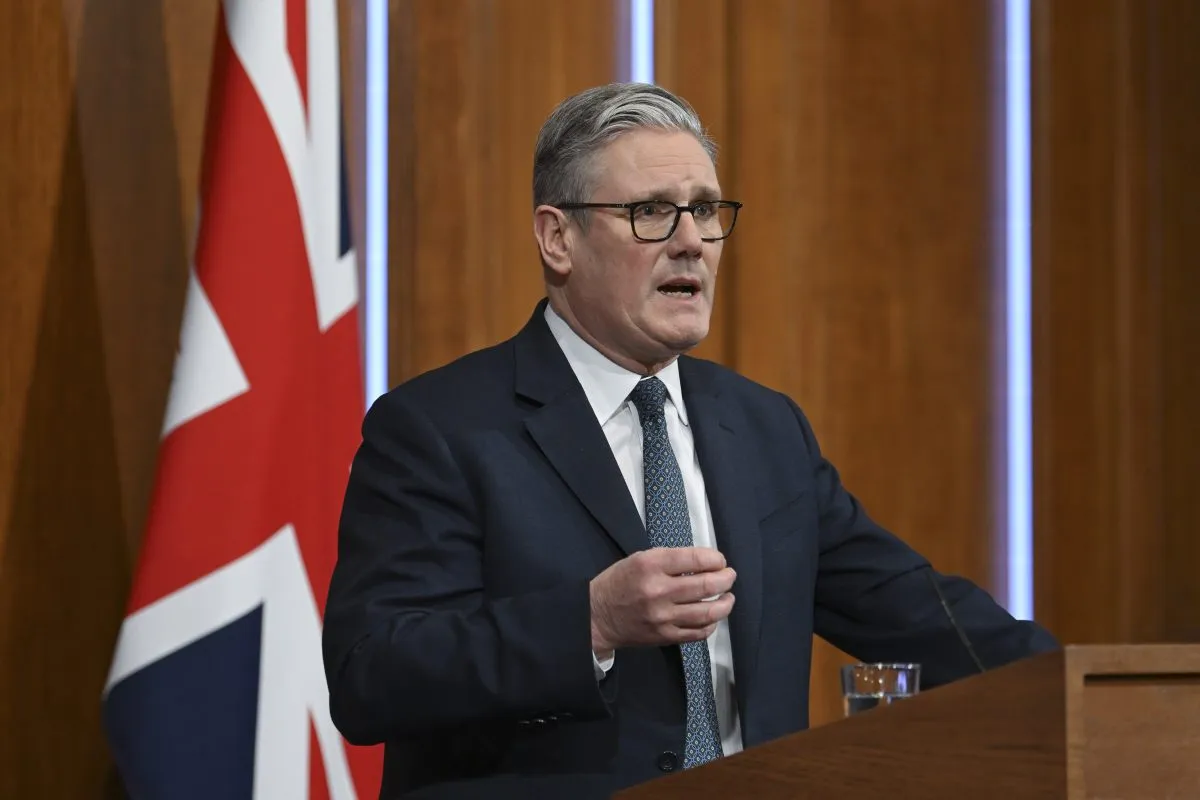
'Protecting children is right': Starmer takes on Big Tech with social media ban for under-16s
Keir Starmer has announced a ban on social media for under-16s, arguing that platforms are harming children’s wellbeing.
- ·
variety.com
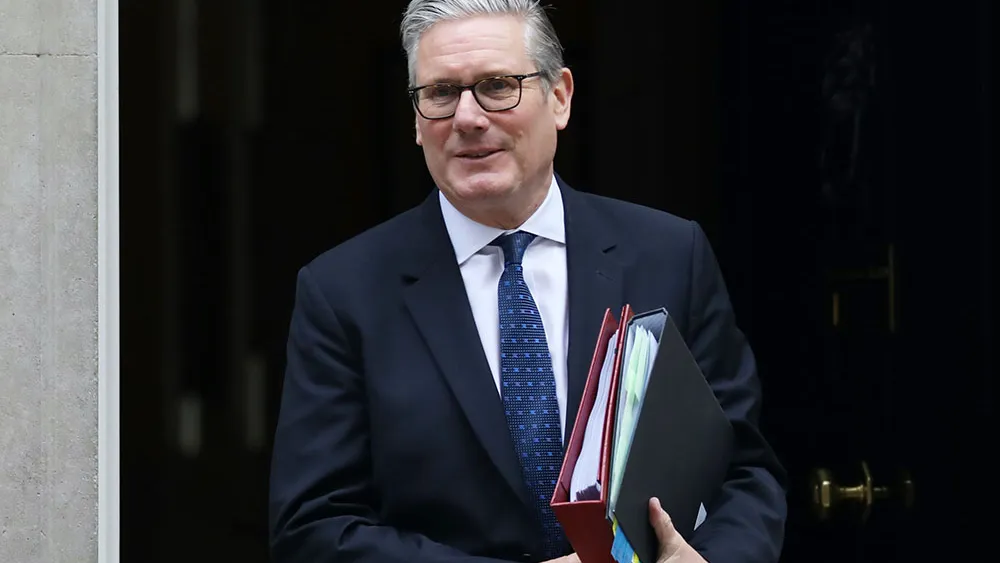
U.K. to Ban Social Media for Teens Under 16
The U.K. is moving ahead with a social media ban for teenagers under 16, Prime Minister Keir Starmer announced on Monday.
- ·
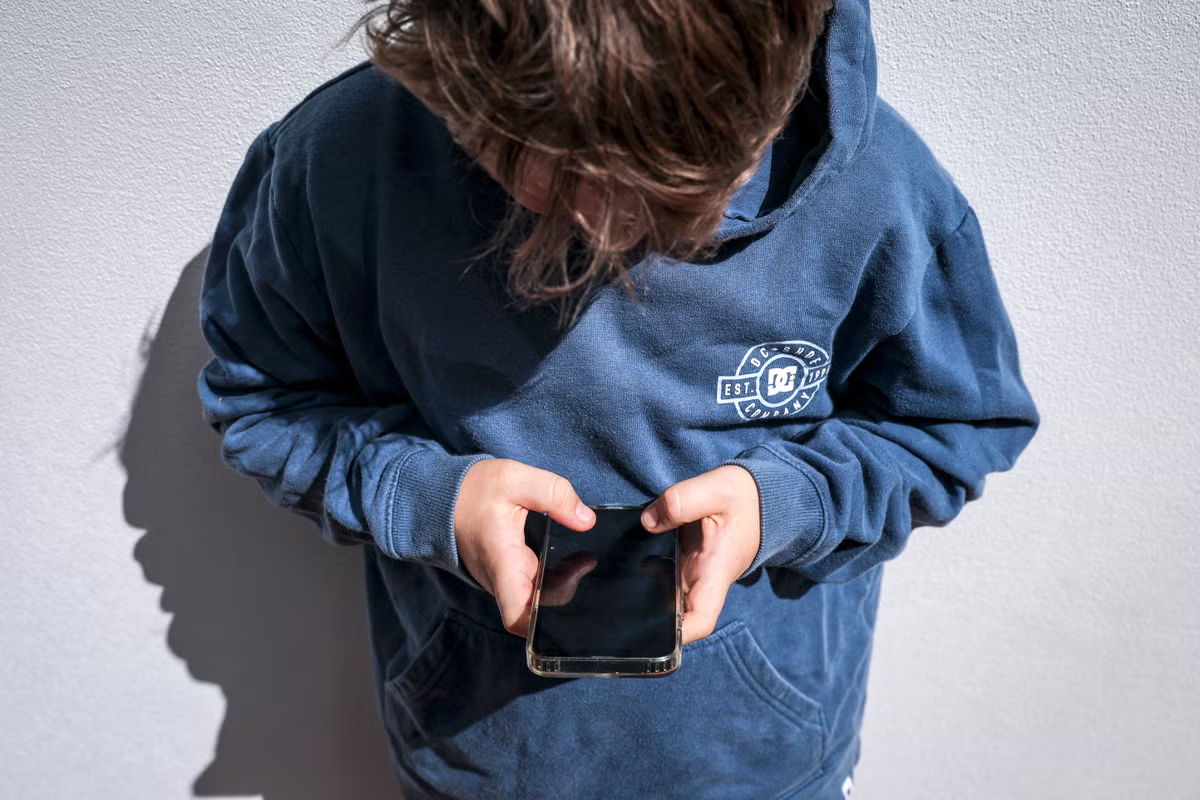
How will under-16s be banned from social media in the UK and when will it start?
Around eight in 10 UK children aged three to 17 are estimated to have at least one active social media profile
- ·
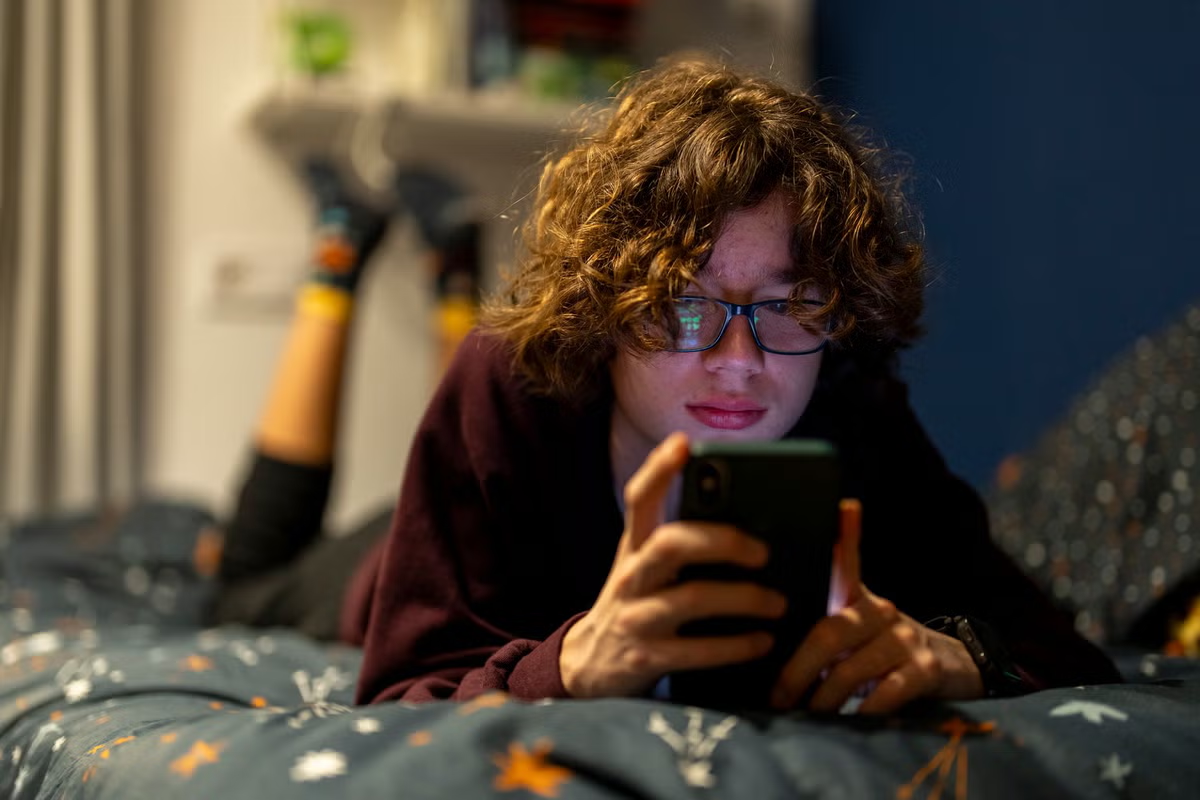
The social media apps set to be banned for under-16s in the UK
Stay up to date with notifications from The IndependentNotifications can be managed in browser preferences.Jump to contentThank you for registeringPlease refresh the page or…
- ·
euractiv.com
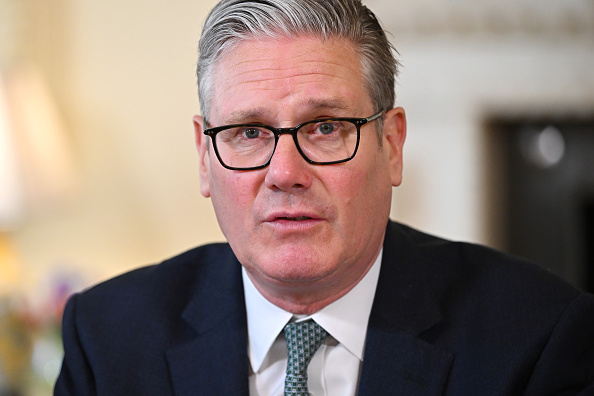
UK PM announces ban on social media for under-16s | Euractiv
The government said the ban will include platforms like Snapchat, TikTok, YouTube, Instagram, Facebook and X
- ·
mirror.co.uk
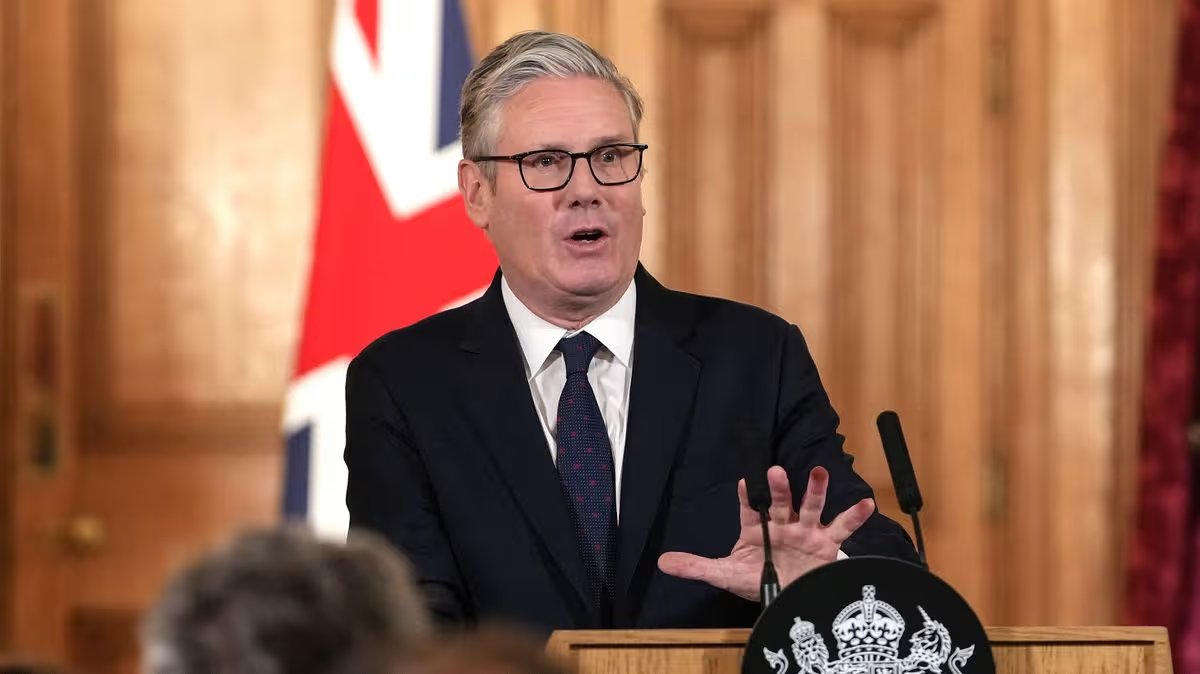
Age checks, curfews and limits: how UK social media ban will work for under-16s
Prime Minister Keir Starmer has today announced a ban on 'high risk' social media for under 16s, with restrictions to be imposed on other platforms that are thought to be safer
- ·
tass.com
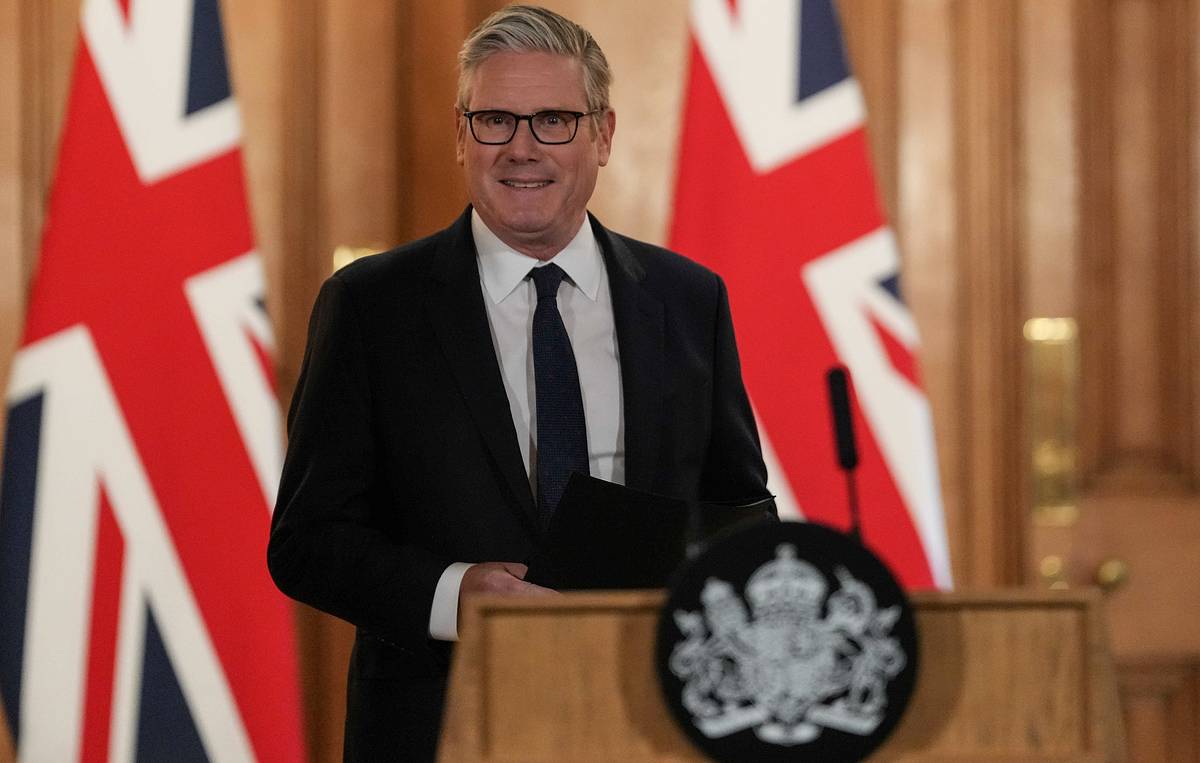
UK to ban social media for those under 16 — prime minister
According to Keir Starmer, social media is "designed to be addictive" and "is making children unhappy," as it also enables bullying and harassment
- ·
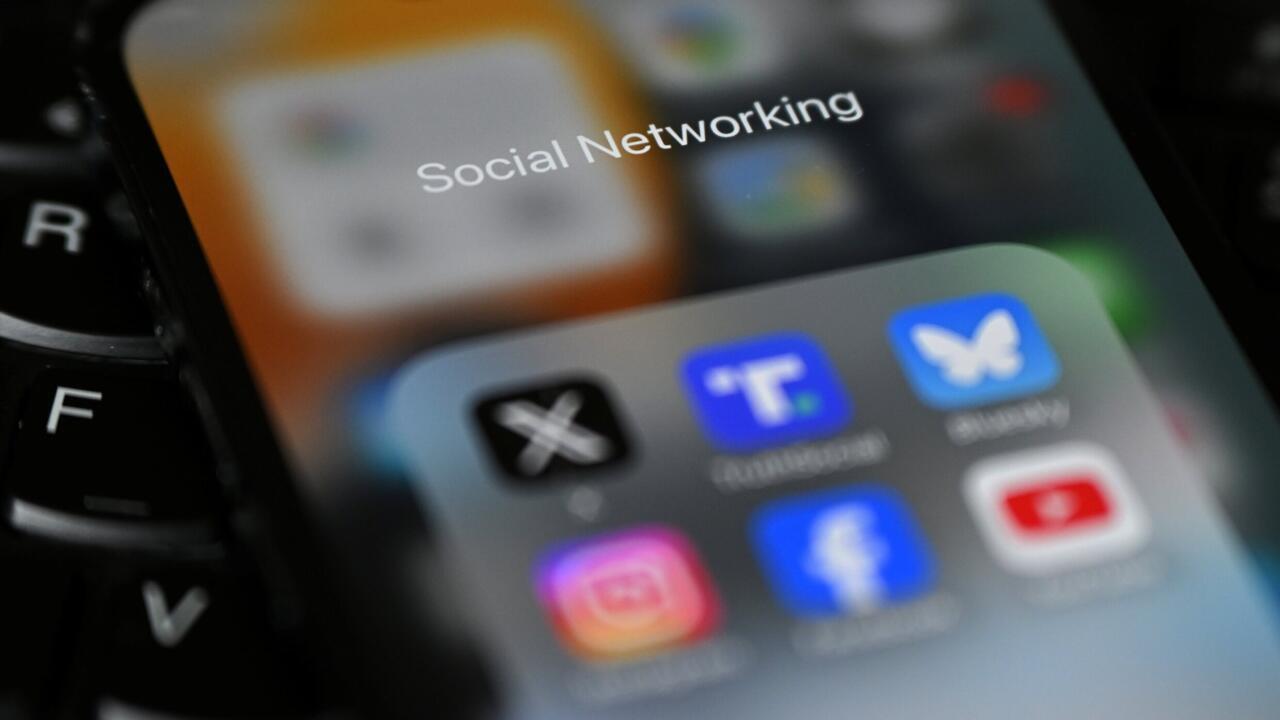
UK's Starmer announces ban on social media for under-16s
Children under 16 will be banned from using social media in Britain, Prime Minister Keir Starmer announced on Monday, saying such platforms were making youngsters "unhappy".
- ·
irishtimes.com
Have your say: Should Ireland follow the UK’s move and ban social media access for children under-16s?
UK prime minister Keir Starmer announced that teenagers will be banned from all the main social platforms by next spring
- ·
timesofindia.indiatimes.com
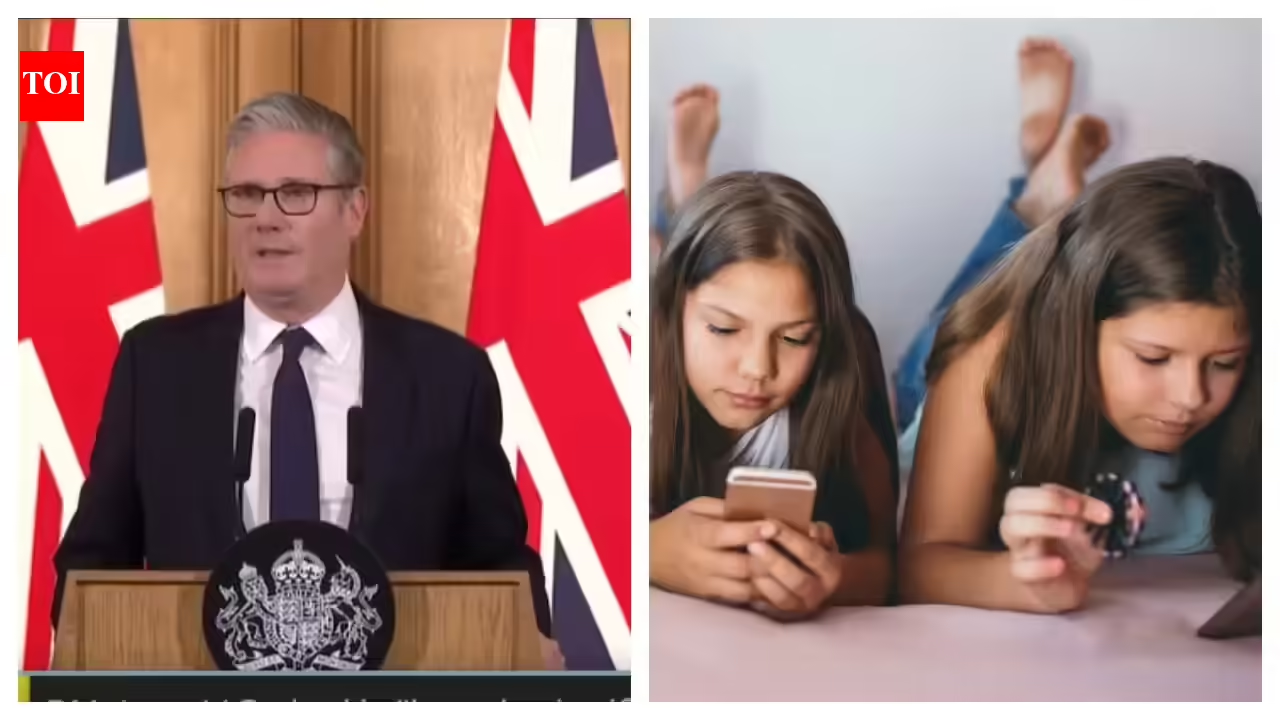
Prime Minister Sir Keir Starmer of UK announces historic social media ban for millions of teens under 16
To transform the young minds towards a better life and focused education, the UK government has taken a major step forward and announced the ban of social media for teens under…
- ·
What are teenagers saying about the under-16s social media ban?
Stay up to date with notifications from The IndependentNotifications can be managed in browser preferences.AllNewsSportCultureLifestyleSir Keir Starmer has announced government…
- ·
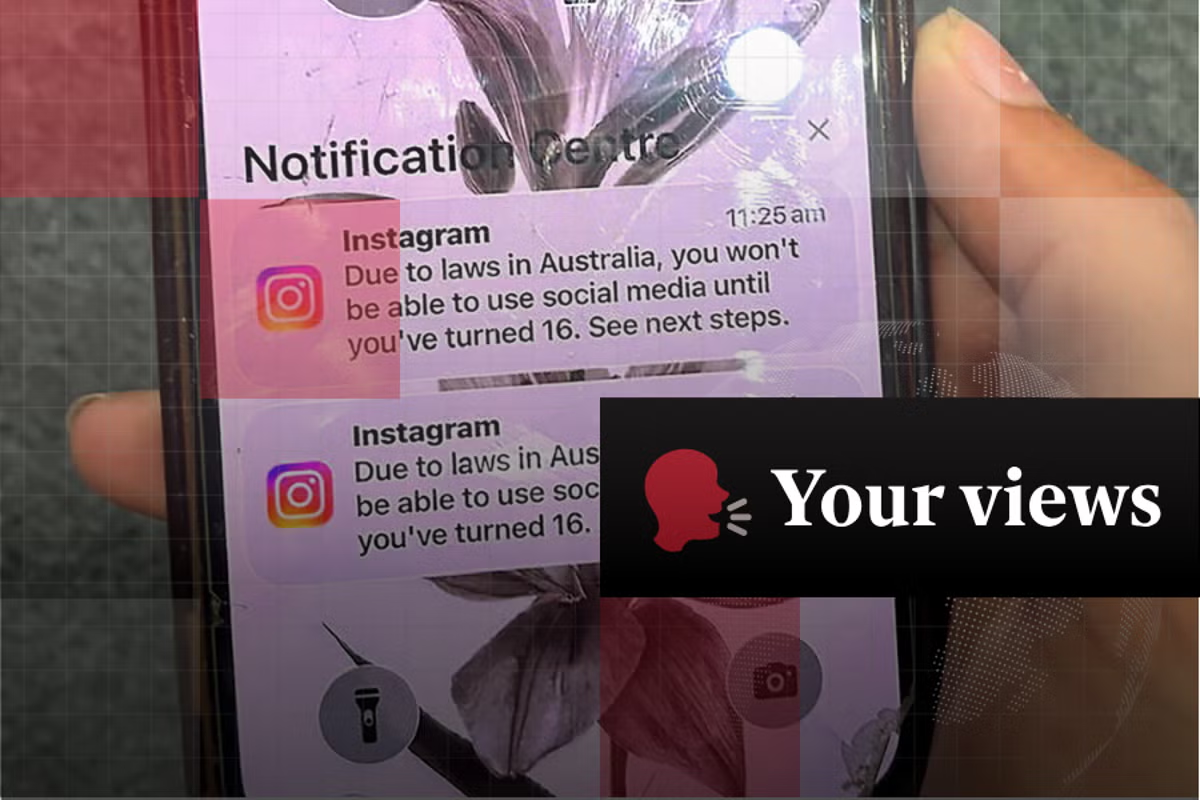
‘Slippery slope’ or ‘generational reset’? Readers split on social media ban
Our community is divided over the prime minister’s plan to ban social media for under-16s, with some backing tougher regulation to protect children online and others warning it is…
- ·
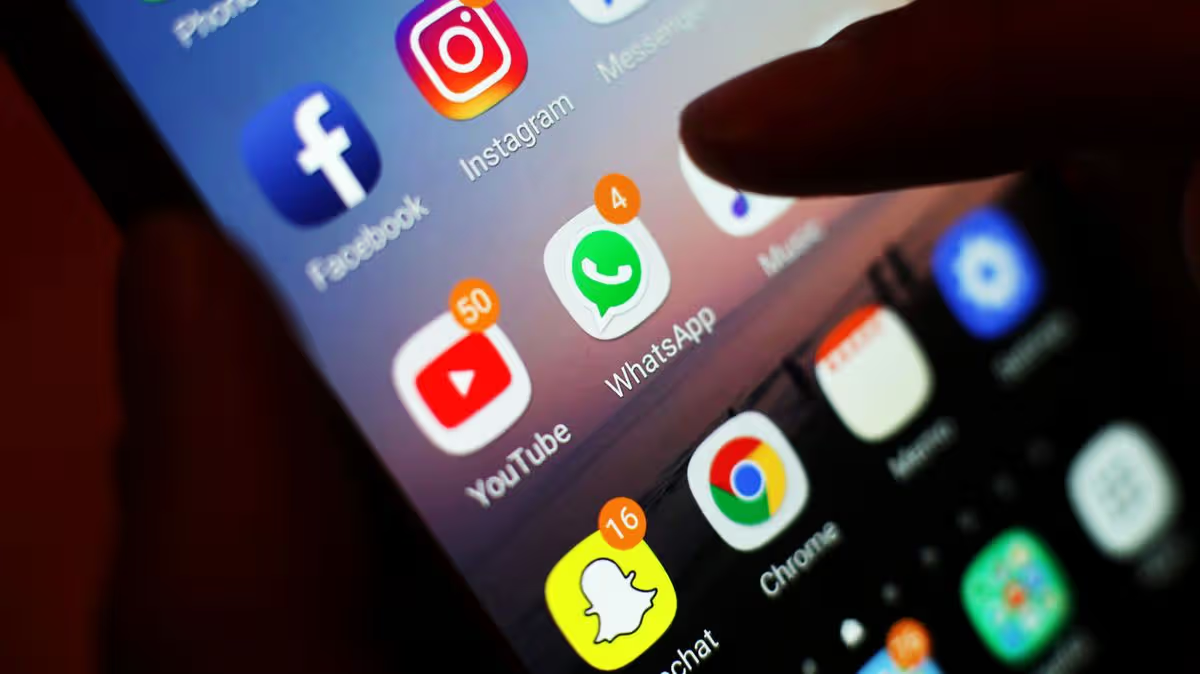
All you need to know on u-16s social media ban - and the unanswered questions
Keir Starmer unveiled plans to block access for under-16s to platforms like Snapchat, TikTok, YouTube, Instagram, Facebook and X, building on a ban imposed in Australia in December
- ·
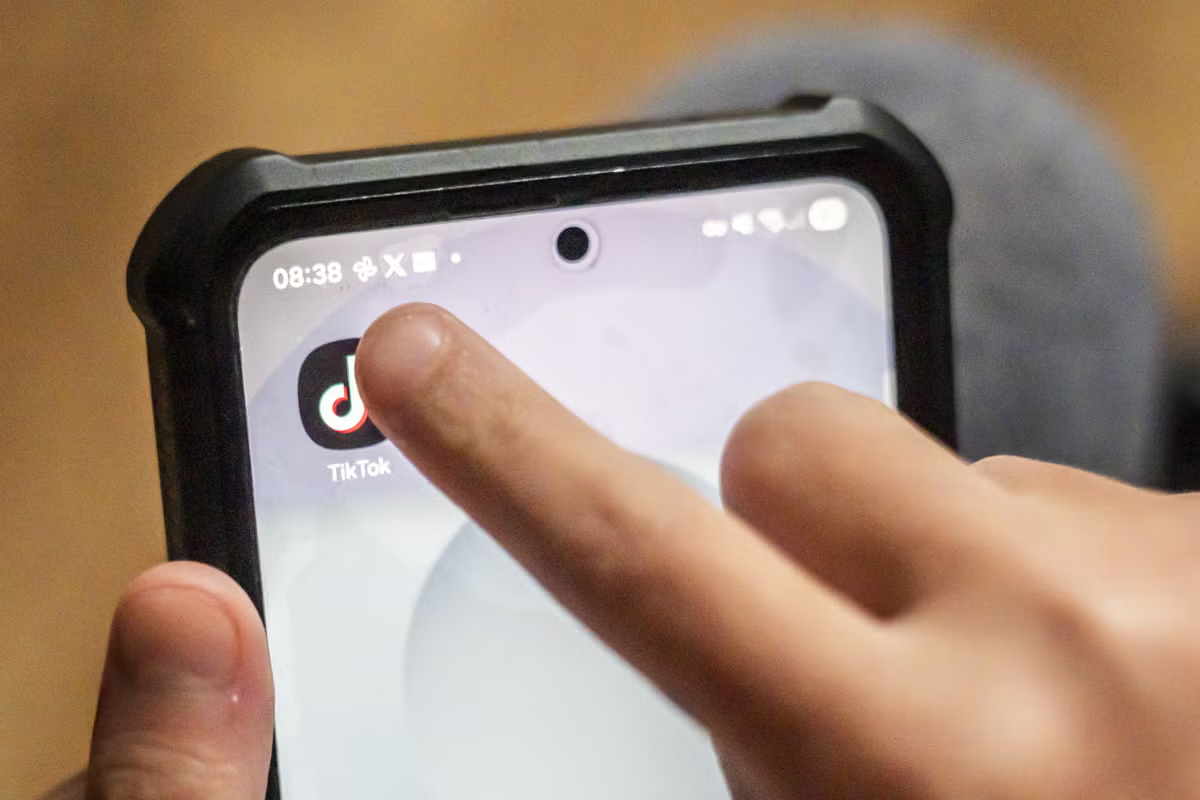
The social media apps set to be banned for under-16s – full list
Stay up to date with notifications from The IndependentNotifications can be managed in browser preferences.Jump to contentThank you for registeringPlease refresh the page or…
- ·
‘The genie is out of the bottle’: parents react to UK under-16s social media ban
Some feel it is a concrete step to protect children, but others argue it is ‘trying to fix the symptoms and not the disease’
- ·
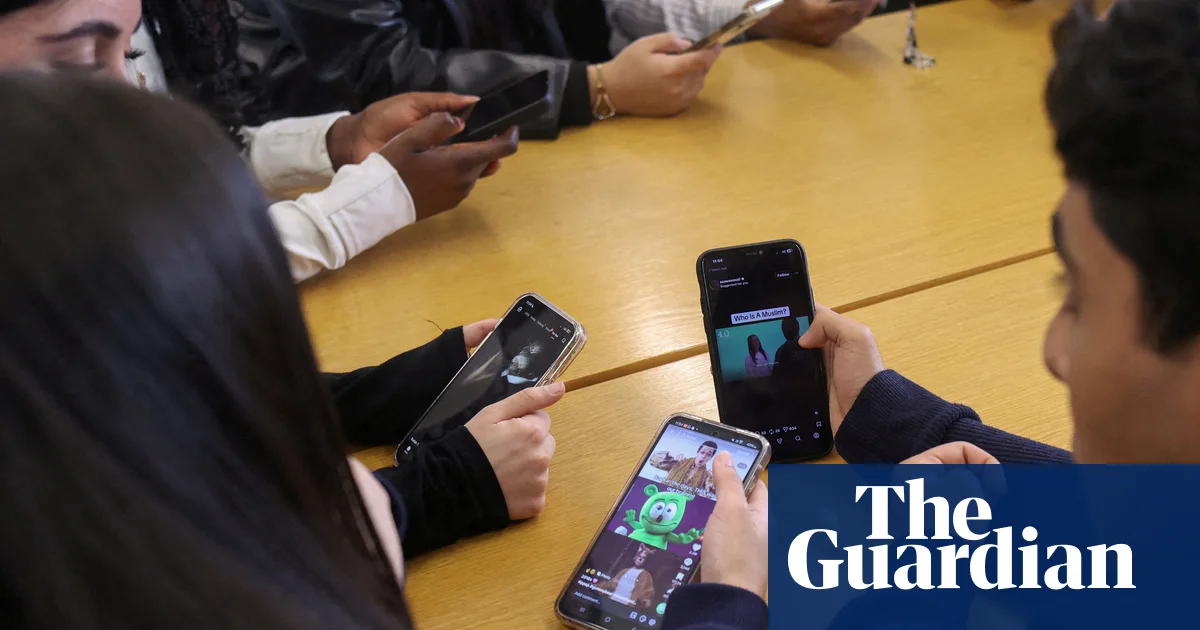
Impact of social media ban for under-16s in UK hinges on how firm it is
Questions remain over enforcement, privacy risk and whether it could open door to even more invasive measures