WARPTECHNEWS · LAB
HomeAIBusinessTechArchive
WARPTECH LAB NEWS

Warptech Lab News aggrega le notizie più rilevanti da oltre 700 fonti internazionali, con classificazione AI, TL;DR sintetici e timeline cluster su singole storie.

Navigazione

  • Home
  • Archivio
  • Editor's Brief
  • Cerca
  • Il tuo account
  • Newsletter tech/AI

Informazioni legali

  • Privacy Policy
  • Termini di servizio
  • Cookie Policy

© 2026 Sparktech S.R.L. — Tutti i diritti riservati. Sito gestito e manutenuto da Sparktech S.R.L.

Sede legale: Corso Libertà 55, 13100 Vercelli (VC), Italia · P.IVA / C.F. 02835910023 · Contatti: admin@warptechlab.com

Home
Storia in 4 fonti

Agentic AI for the EU AI Act 🇪🇺

Using Agents to navigate AI Governance

Raccontata dadev.tot3n.deeuractiv.comcityam.com

Confronto fonti

4 prospettive sulla stessa storia
AI · summaries
dev.toStai leggendo3 g fa

Agentic AI for the EU AI Act 🇪🇺

CrewAI-powered open-source tool automates EU AI Act compliance assessment: two-agent system (intake + RAG enforcement) triages user context and audits high-risk AI systems against official legal texts via Qdrant. IT managers must complete assessments by August 2, 2026 enforcement deadline to avoid million-euro fines; tool mitigates legal interpretation drift.

originale
cityam.com1 g fa

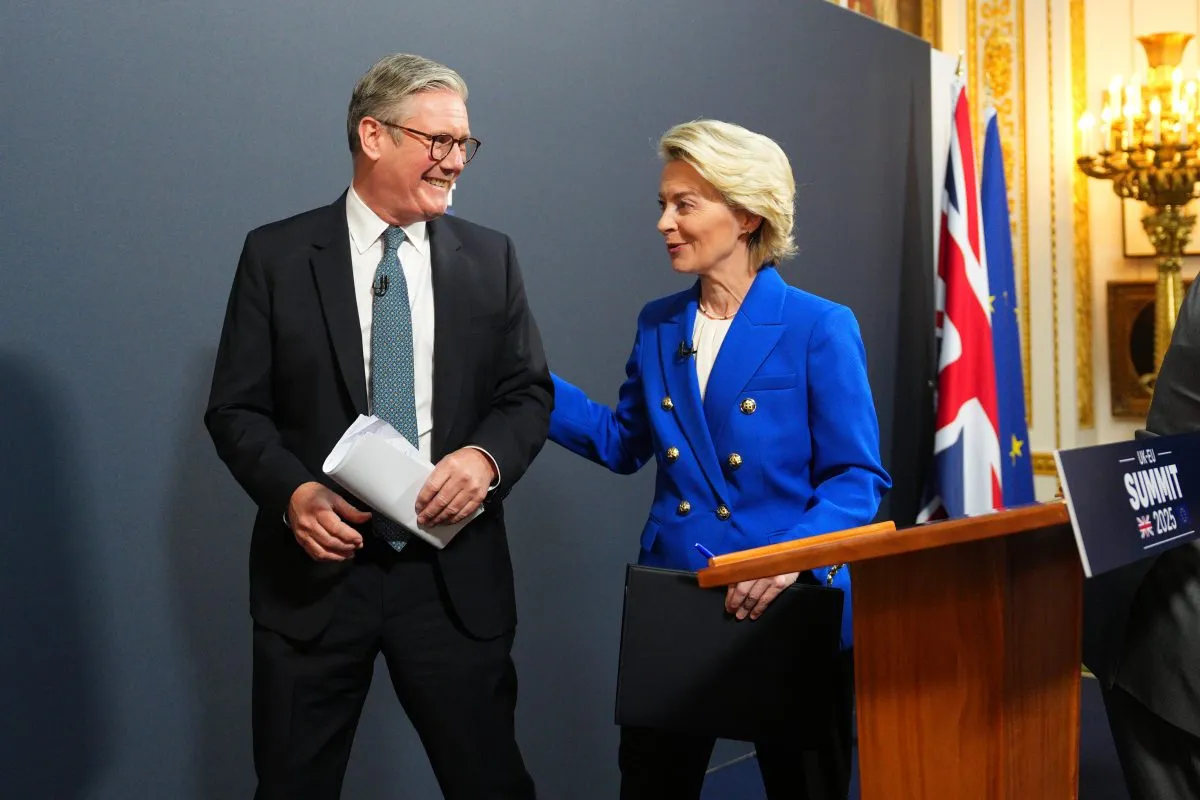
The EU has regulated itself out of the AI race but the UK is still in the game

Thanks to Brexit the UK isn't bound by Europe's instinctive 'safety first' approach to AI regulation - but there is still work we must do

Leggi questa versione → originale

Timeline cronologica

  1. giovedì 11 giugno 2026·dev.to

    How to add EU AI Act disclosure to your SaaS UI (with code)

    If your SaaS uses AI and serves EU customers, Article 50 of the EU AI Act requires you to tell users...

  2. giovedì 11 giugno 2026·dev.to

    Does the EU AI Act apply to my chatbot?

    I originally published this on disclosekit.dev — I'm building tooling for this deadline and the...
euractiv.com2 g fa

How EU AI transparency rules will change what you see online | Euractiv

EU transparency code mandates invisible watermarks on all AI-generated content and deepfake disclosure from August 2, 2026—binding all developers globally. For tech managers, this signals mandatory compliance infrastructure—verification mechanisms and disclosure practices become core governance requirements reshaping AI product strategies.

Leggi questa versione → originale
t3n.de2 g fa

Verschobene Fristen, neue Verbote: Die 5 wichtigsten Änderungen des AI Omnibus | t3n

Der AI Act der EU ist das weltweit erste Gesetz für Künstliche Intelligenz. Doch bevor es so richtig greift, soll es durch den „AI Omnibus“ entschärft werden. Was ändert sich jetzt für die Entwickler und Nutzer der…

Leggi questa versione → originale
sabato 13 giugno 2026·dev.to

Why AgentTrail Exists: Building Open-Source Audit Trails for AI Agents

The EU AI Act is now in force, and compliance deadlines for high-risk AI systems are approaching....

  • sabato 13 giugno 2026·dev.to

    Agentic AI for the EU AI Act 🇪🇺

    Using Agents to navigate AI Governance

  • domenica 14 giugno 2026·t3n.de

    Verschobene Fristen, neue Verbote: Die 5 wichtigsten Änderungen des AI Omnibus | t3n

    Der AI Act der EU ist das weltweit erste Gesetz für Künstliche Intelligenz. Doch bevor es so richtig greift, soll es durch den „AI Omnibus“ entschärft werden. Was ändert sich…

  • lunedì 15 giugno 2026·euractiv.com

    How EU AI transparency rules will change what you see online | Euractiv

    AI watermarking and deepfake labelling will soon be the standard in the EU

  • lunedì 15 giugno 2026·euractiv.com

    Agentic AI Is an Infrastructure Game | Euractiv

    CADA is Europe’s opportunity to unlock sovereign, agentic-ready compute at scale and create the conditions for sustained investment. Now it must be implemented at pace and with…

  • martedì 16 giugno 2026·cityam.com

    The EU has regulated itself out of the AI race but the UK is still in the game

    Thanks to Brexit the UK isn't bound by Europe's instinctive 'safety first' approach to AI regulation - but there is still work we must do