Home
Storia in 1 fonti
How waste build-up in the brain occurs in aging and neurodegeneration
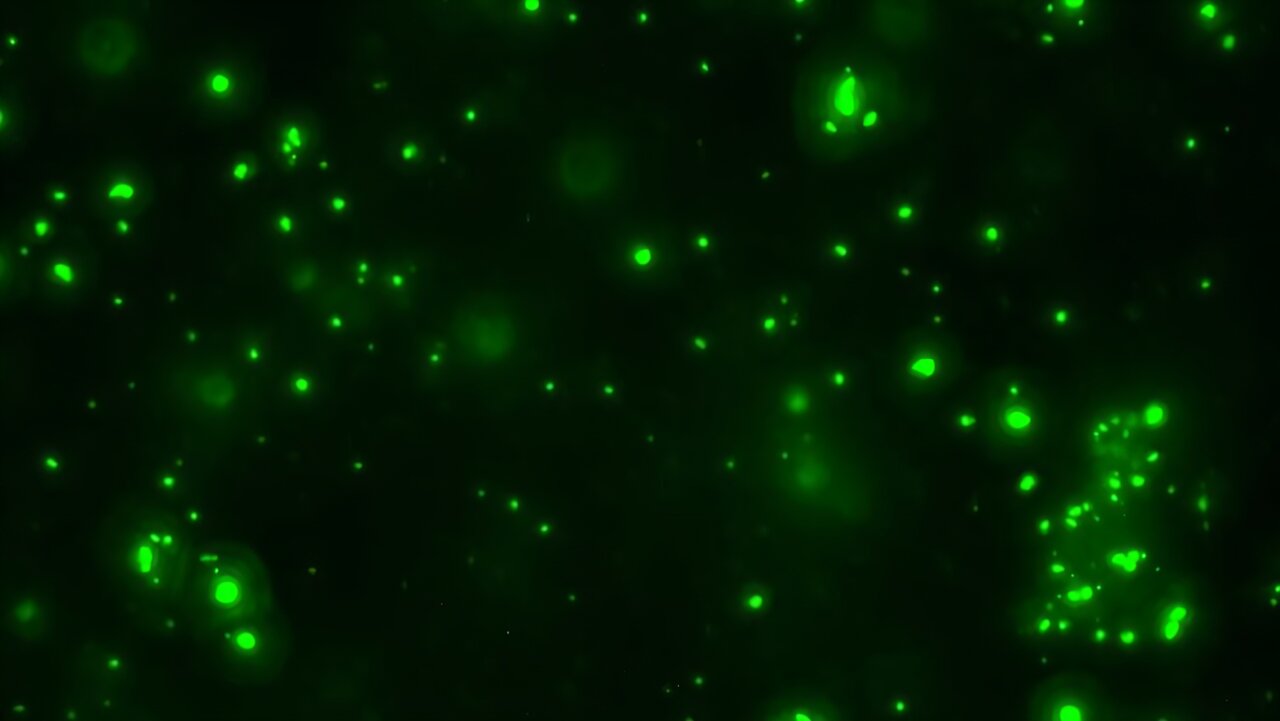
To function properly, neurons need to recycle cellular waste before it becomes toxic. When neurons can no longer do that, either due to aging or harmful genetic mutations, neurodegenerative disease can set in. One sign that neurons are losing their recycling function is the buildup of pigmented material called lipofuscin that accumulates with age. Understanding how it forms could help illuminate the aging process and, in turn, how age-related neurodegenerative diseases progress.
Raccontata da medicalxpress.com