The report beat expectations, in good news for Trump. Forecasters had expected payroll job growth to slow to 85,000 in the month.

The American job market has climbed out of a rut

U.S. employers added a surprising 172,000 jobs in May as the labor market continued to show resilience in the face of rising costs from the Iran war.

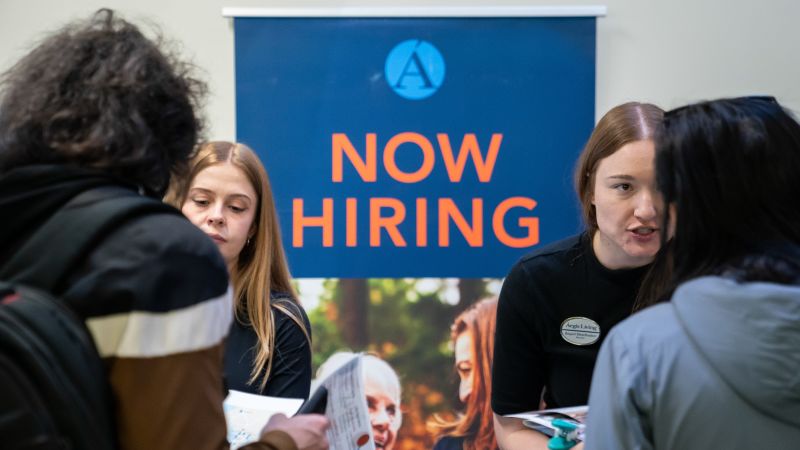
Economists project the U.S. added 80,000 jobs in May, with the unemployment rate at a low 4.3%.

The US labor market appears to have found its footing: The economy added 172,000 jobs in May, shattering expectations, new data from the Bureau of Labor Statistics showed Friday.

Nonfarm payrolls were expected to increase by 80,000 in May while the unemployment rate held at 4.3%.

The report beat expectations, in good news for Trump. Forecasters had expected payroll job growth to slow to 85,000 in the month.

The labor market continues to show strength despite rising inflation and concerns about slowing economic growth.

Is the jobs market back? U.S. employers added 172,000 jobs in May, beating expectations.

Hiring has proven unexpectedly resilient in recent months.

The labor market is strengthening after months of lackluster jobs growth,

The job market has been recovering this year from a miserable 2025, so far shrugging off higher energy prices and increased economic uncertainty since the U.S. and Israel attacked…

The labor market has been growing at a stable but slower pace in 2026, but job gains in May were far stronger than expected.

Unemployment remained steady, with the labour market in the world’s largest economy sustaining recent gains.

Hiring Beat Expectations in May, With 172,000 New Jobs

The labor market delivered 172,000 jobs in May, past the expectation for 88,000.

US job growth surged past expectations in May with the unemployment rate remaining steady, as the labor market in the world's largest economy showed signs of firming after months…

Hiring has bounced back this year from a miserable 2025, showing unexpected strength in the face of economic uncertainty and painfully high energy prices caused by the Iran war.

The news follows a string of economic releases earlier this week that suggest the U.S. manufacturing sector has started to rebound, even as gas and energy prices surge.

The American job market continues to show surprising strength, shrugging off the high costs of the Iran war