WARPTECHNEWS · LAB
HomeAIBusinessTechArchive
WARPTECH LAB NEWS

Warptech Lab News aggrega le notizie più rilevanti da oltre 700 fonti internazionali, con classificazione AI, TL;DR sintetici e timeline cluster su singole storie.

Navigazione

  • Home
  • Archivio
  • Editor's Brief
  • Cerca
  • Il tuo account
  • Newsletter tech/AI

Informazioni legali

  • Privacy Policy
  • Termini di servizio
  • Cookie Policy

© 2026 Sparktech S.R.L. — Tutti i diritti riservati. Sito gestito e manutenuto da Sparktech S.R.L.

Sede legale: Corso Libertà 55, 13100 Vercelli (VC), Italia · P.IVA / C.F. 02835910023 · Contatti: admin@warptechlab.com

Home
Storia in 2 fonti

​Why is Europe still not ready for extreme heat?

​The first heatwaves of the season reveal how ​ill-prepared governments across the continent are to protect people from increasingly dangerous temperatures

Raccontata daeuronews.comtheguardian.com

Confronto fonti

2 prospettive sulla stessa storia
AI · summaries
theguardian.comStai leggendo1 mesi fa

​Why is Europe still not ready for extreme heat?

​The first heatwaves of the season reveal how ​ill-prepared governments across the continent are to protect people from increasingly dangerous temperatures

originale
euronews.com1 mesi fa

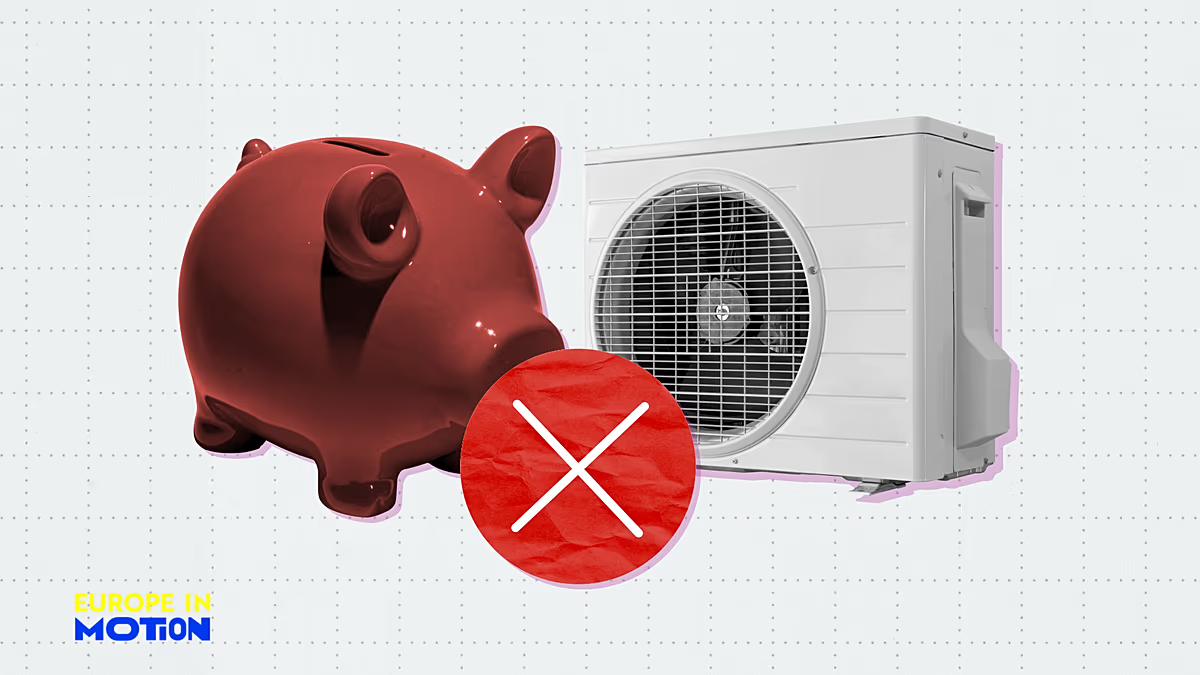
Brutal heatwaves: How many in the EU can't afford air conditioning?

Thousands have no choice but to endure extreme temperatures. With heatwaves emerging as the top climate concern for Europeans, how is summer preparedness going across the continent? #EuropeInMotion

Leggi questa versione → originale

Timeline cronologica

  1. lunedì 1 giugno 2026·euronews.com

    Brutal heatwaves: How many in the EU can't afford air conditioning?

    Thousands have no choice but to endure extreme temperatures. With heatwaves emerging as the top climate concern for Europeans, how is summer preparedness going across the…

  2. mercoledì 3 giugno 2026·theguardian.com

    ​Why is Europe still not ready for extreme heat?

    ​The first heatwaves of the season reveal how ​ill-prepared governments across the continent are to protect people from increasingly dangerous temperatures