HomeAI · summaries
Storia in 14 fonti
EU reaches deal on 'return hubs' migration reform
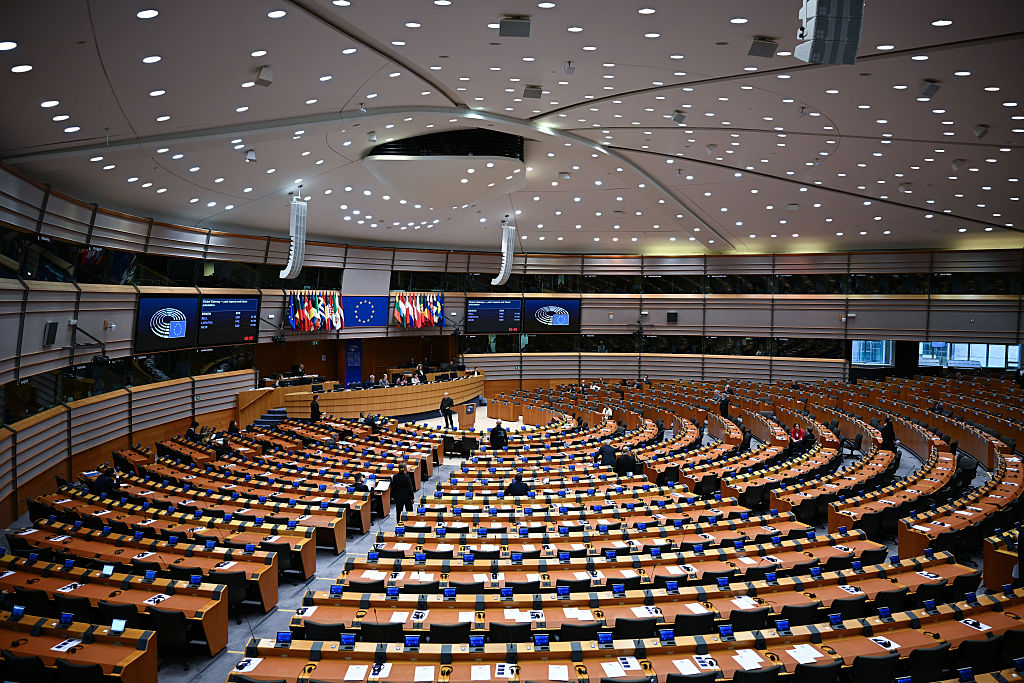
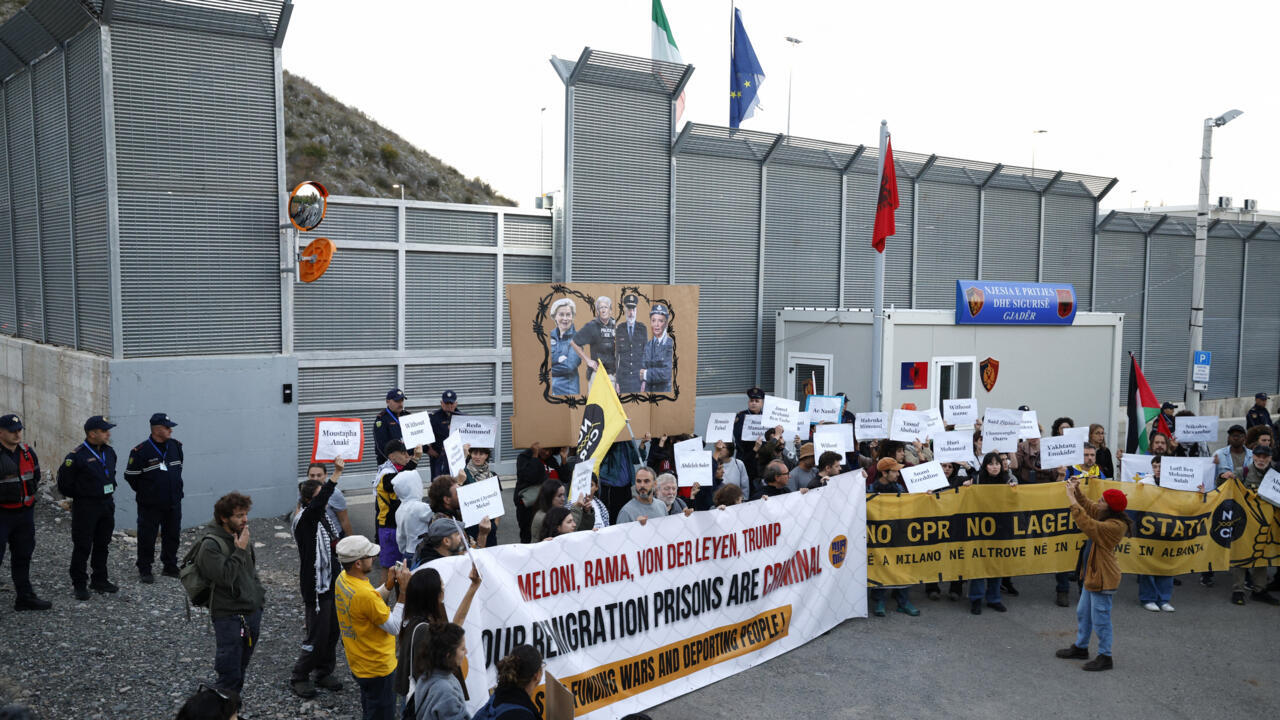
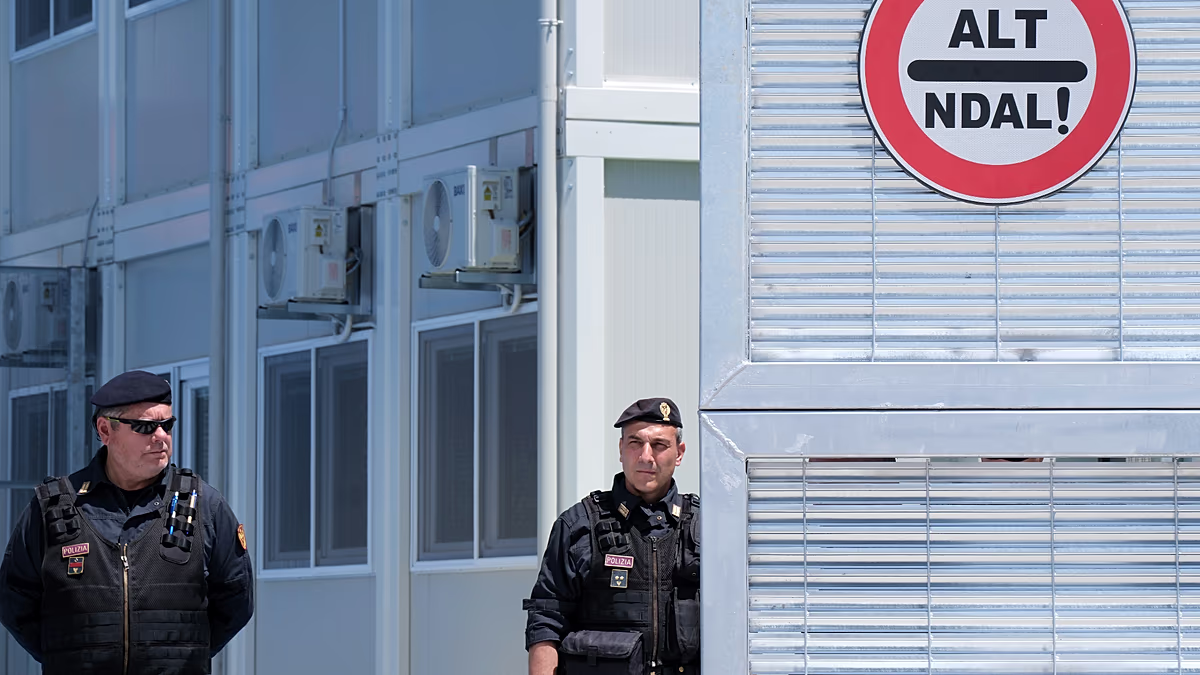
European lawmakers and countries struck a provisional compromise on the reform, which was launched in response to political pressure to curb migration -- paving the way for its final approval."Today's agreement shows that we are bringing our European house in order," said Magnus Brunner, the European Union's commissioner for migration."With the new rules, we have more control over who can come to the EU, who can stay and who needs to leave."Criticised by rights groups, the new measures will notably allow nations to open centres outside the EU's borders to which migrants whose asylum applications have been rejected could be sent.They also establish a strict obligation for migrants subject to expulsion to leave and cooperate with authorities, envisaging harsher penalties, including detention, for those who refuse to do so."This deal will give governments much broader powers to detain and deport people," said Marta Welander of the International Rescue Committee (IRC), an NGO."It looks set to normalise immigration raids, expand the use of detention in prison-like facilities outside EU territory that are essentially legal black holes and increase the risk of people being deported to countries where they could face persecution, torture or worse."European governments have sought a tougher stance amid hardening public opinion on migration, which has fuelled far-right electoral gains across the continent.With migrant arrivals down, the focus in Brussels has turned to improving the repatriation system. Currently, less than 30 percent of people ordered to leave are actually returned to their country of origin, according to the European Commission.'Mass detention'Lawmakers and capitals had long agreed on the substance of the reform, but talks in May to greenlight it were delayed because of differences over the timeline for implementation.Under Monday's accord, most new measures will apply immediately after the law enters into force, and some provisions 12 months later, to give member states time to prepare related regulatory changes.Proponents say return hubs -- which would serve either as the final destination or as transfer centres for those expelled -- could facilitate repatriations and act as a deterrent for would-be irregular migrants.Some nations, including Austria and Germany, are already exploring options to set them up.But others in the bloc, including France and Spain, have questioned their effectiveness."It's unclear how this will work, and it won't affect many people," said a European diplomat speaking on condition of anonymity.Critics point to the hurdles faced by similar projects.Britain abandoned a scheme to deport undocumented migrants to Rwanda, while Italian-run facilities to process migrants in Albania have faced legal challenges and a slow uptake.The reform has proved politically divisive.Birgit Sippel, a European lawmaker with the centre-left S&D group, said it would usher in "mass detention, including for families and children" and raids reminiscent of the heavy-handed practices used by Immigration and Customs Enforcement in the United States under President Donald Trump.But the far-right ECR group celebrated the agreement, saying: "The era of returns has begun."Irregular border crossings into the EU detected by authorities fell by 40 percent in the first four months of 2026 compared with the same period last year, according to the EU's border control agency.The reform needs to be formally approved by the European Parliament and the member states before it can come into force.
Confronto fonti
6 prospettive sulla stessa storiaTimeline cronologica
- ·
euronews.com

Toughest EU migration law to date clears path for offshore return hubs
The EU is set to approve its controversial migration law, allowing return hubs outside the bloc, extending detention periods and introducing measures aimed at accelerating…
- ·

EU approves strictest-ever migration law, including return hubs
A new EU law will allow migrant return hubs outside the bloc and home searches in a bid to crack down on irregular migration. Civil society groups point to a “xenophobic" turn in…