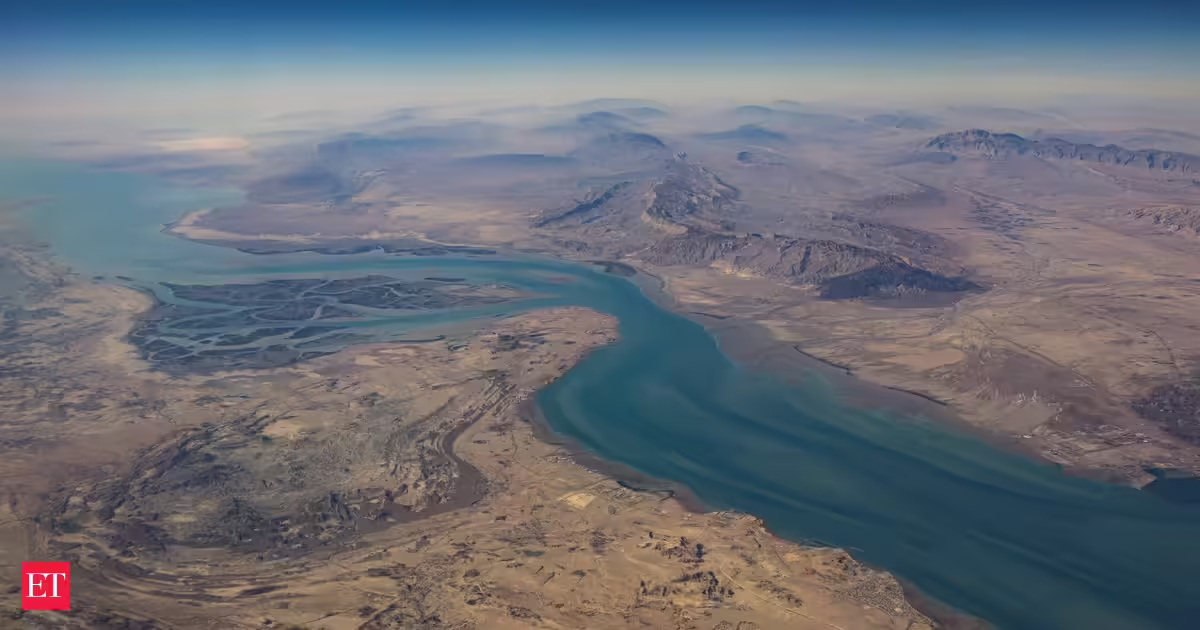
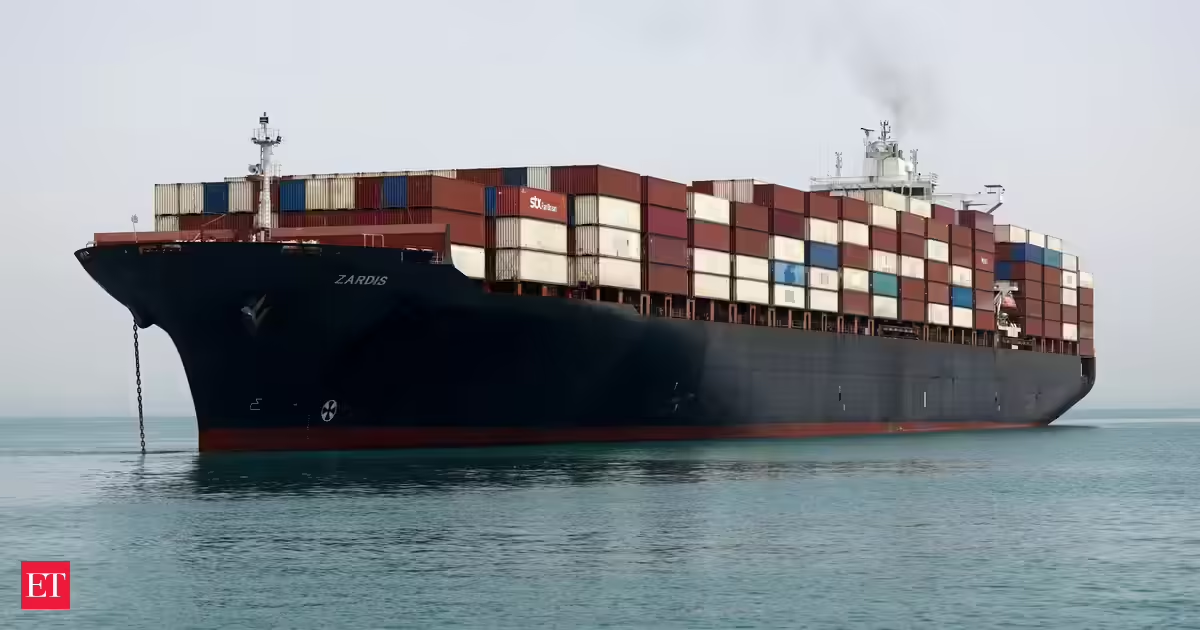
Twenty-nine of the 109 bigger vessels were stranded when the strait was effectively shuttered after the conflict erupted on February 28

Commercial shipping traffic through the Strait of Hormuz nearly came to a halt on Thursday as fears of renewed military escalation between the US and Iran intensified.…

Merchant ships avoid the Strait of Hormuz as tensions rise following renewed US strikes against Iranian military targets.

The proportion of vessels not linked to Iranian ownership that are transiting the key Strait of Hormuz has risen, according to data from maritime firm Lloyd's List Intelligence…

Shipowners are showing increased optimism for traffic through the Strait of Hormuz, with US forces providing navigational advice to vessels. Recent transits, some with satellite…
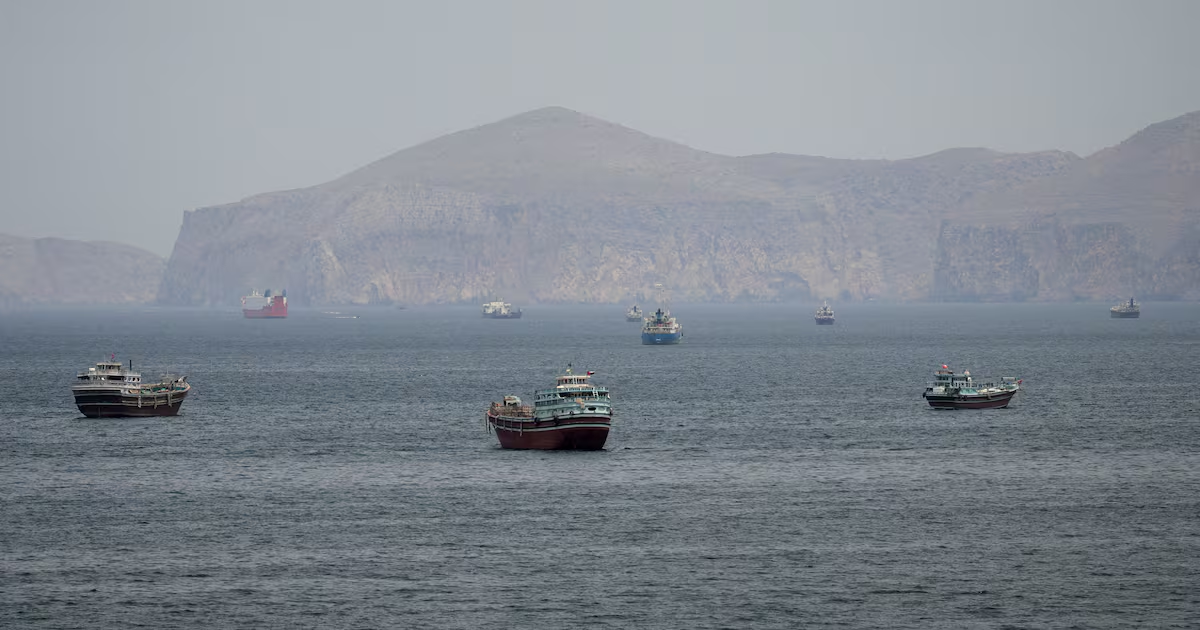
Twenty-nine of 109 vessels capable of hauling 700,000 barrels or more have crossed the Strait of Hormuz, with many switching off navigation instruments to avoid hostilities.

Ship-tracking data show that at least a quarter of the non-Iranian ships stranded in Hormuz since the conflict began have made their way out.

To sail through the strait without being detected by Iran, many ships are turning off their Automatic Identification Systems.

Twenty-nine of the 109 bigger vessels were stranded when the strait was effectively shuttered after the conflict erupted on February 28

According to their statement, the ships, including oil tankers and other commercial vessels, safely crossed the Strait of Hormuz

Iran's IRGC reports 28 ships transited the Strait of Hormuz under its security. The IRGC states the Persian Gulf's insecurity stems from US actions. Iran recently launched a new…

According to sources cited by The New York Times, US Central Command forces provided assistance to the vessels