HomeAI · summaries
Storia in 2 fonti
How Do Boomers Really Feel About AI?
As older adults embrace artificial intelligence, they want the technology to be more in tune with their emotional needs, according to a recent study by Carnegie Mellon University researchers.The CMU team found that many older adults who use AI want the technology to recognize when they need direct information or when they'd prefer reassurance, comfort and a gentler response.Recent CMU studies show that as older adults embrace AI, they want the technology to be more in tune with their emotional needs.Investigating how different generations use AI and what they expect from the technology will help developers and designers create meaningful applications for it. For example, the CMU team is building on its research to develop a "piggybacking" coordination system that can provide support to older adults."Let's say that a person requests a prescription delivery, and several other neighbors in that community need prescriptions as well," said Jodi Forlizzi, the Herbert A. Simon Professor in Computer Science and Human-Computer Interaction at the School of Computer Science. "The AI could surface that information, and then an individual can pick up medications for several people instead of just one. Or, if you're cooking soup for someone, you could cook enough for several other people based on the information provided by the technology."Forlizzi has spent the last two decades exploring how older adults can benefit from technology in ways that feel useful, respectful and human. Across her work, one idea has consistently emerged: technology is most effective when it aligns not only with an individual's needs, but also with their values, emotions and sense of self. Most recently, her lab has focused on older adults of lower socioeconomic status who may not have access to traditional medical care."There's always a mismatch between people's perceived abilities and what they can actually do," Forlizzi said. "AI technology can be used to close this gap. An older individual can be very healthy but afraid to leave home because they think they might fall or have a dizzy spell. In other cases, people are not well and still undertake tasks they shouldn't, such as driving independently. AI can be used to warn caregivers or scaffold what older adults are trying to do."This perspective is the focus of a recent paper out of the National Science Foundation AI Institute for Collaborative Assistance and Responsive Interaction for Networked Groups (AI-CARING), of which Forlizzi and other researchers at CMU are a part. The paper, "Sometimes You Need Facts, and Sometimes a Hug," found that older adults are open to using AI systems when they explain their purpose clearly — particularly when technology provides reminders, alerts or support within the home. The team's research suggests that AI systems supporting older adults should be conversational, adaptive and capable of responding to the emotional realities of everyday life rather than merely information dispensers.That same emphasis on lived experience and human values appears in another paper Forlizzi's lab recently published. The research explores how older adults living in various residential environments use technology to uphold the values that matter most to them. Through 22 interviews, the study found that older adults often share core values such as independence, curiosity, connection and continuity, but the ways they express and sustain those values can vary significantly depending on where and how they live.Forlizzi and members of her lab presented their research at last month's Association for Computing Machinery Conference on Human Factors in Computing Systems (CHI2026) in Barcelona.
Confronto fonti
2 prospettive sulla stessa storiaTimeline cronologica
- ·
cs.cmu.edu

How Do Boomers Really Feel About AI?
As older adults embrace artificial intelligence, they want the technology to be more in tune with their emotional needs, according to a recent study by Carnegie Mellon University…
- ·
theguardian.com
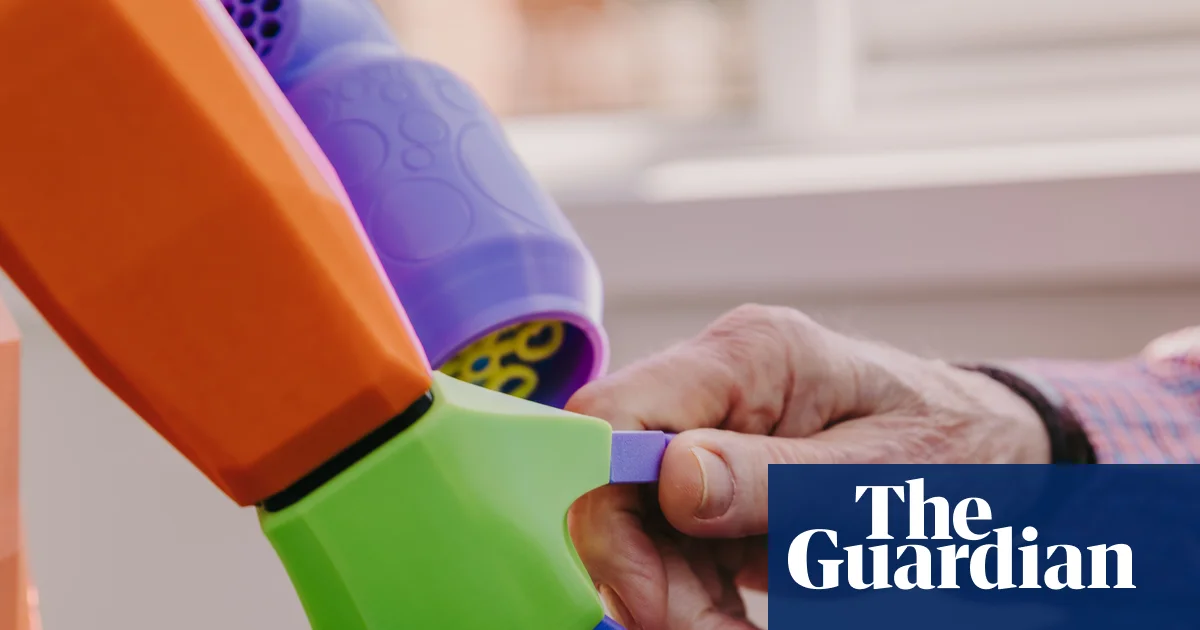
An industry targeting Australia’s ageing population is growing, but can AI deliver more humanity in aged care?
While companion robots are being introduced and virtual experiences hope to ‘take loneliness away’, one expert agrees tech should never replace the human element