HomeAI · summaries
Storia in 3 fonti
India’s lunar spacecraft detects possible ice on moon
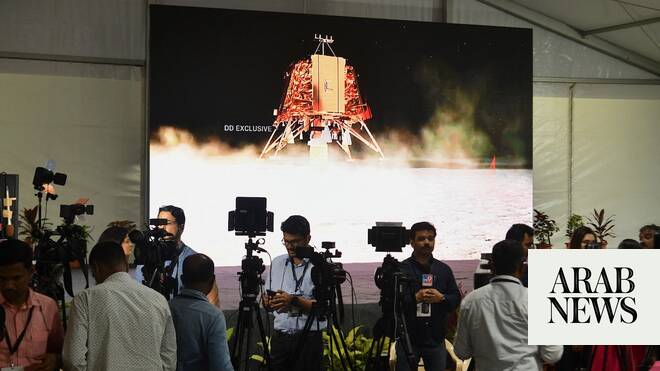
NEW DELHI: Indian scientists have discovered signs of possible presence of ice beneath shadowed craters near the moon’s south pole using data from a lunar orbiter launched almost seven years ago, the country’s space agency has announced. The Chandrayaan-2 orbiter was part of a mission that included a lander and rover, aimed at exploring the south pole of the moon. Since reaching lunar orbit in 2019, it has been mapping the moon’s surface and studying its polar region with the highest resolution camera in any lunar mission.
Confronto fonti
3 prospettive sulla stessa storiaTimeline cronologica
- ·
economictimes.indiatimes.com
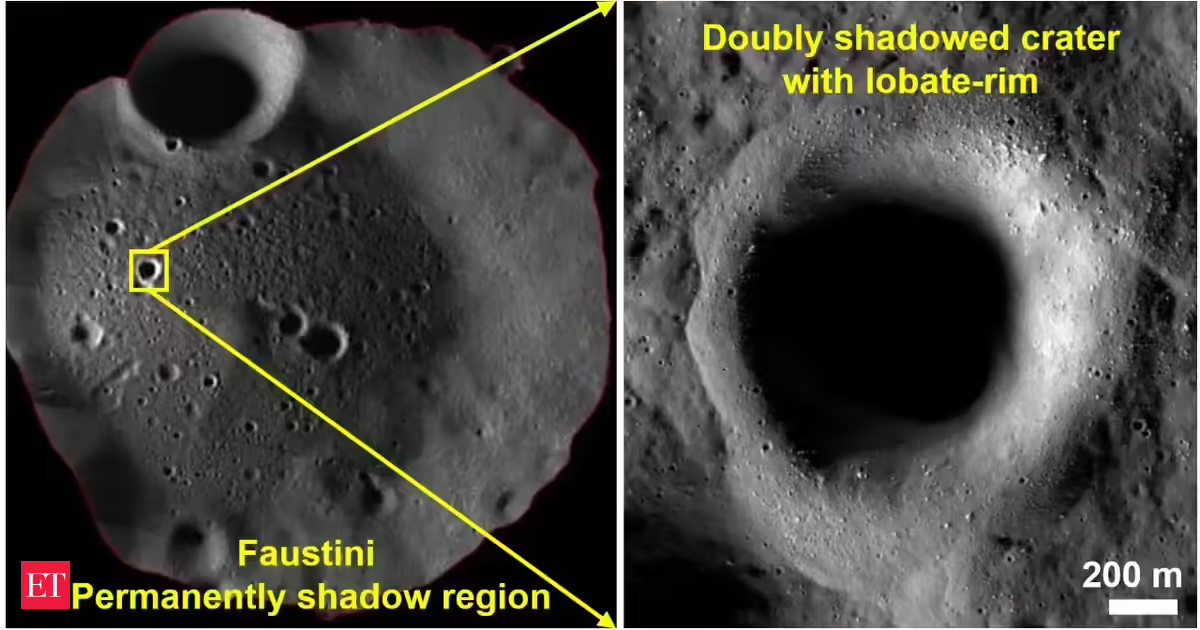
ISRO detects possible subsurface ice on moon using Chandrayaan-2 data
Indian scientists have found strong evidence of subsurface ice near the Moon's south pole. Data from Chandrayaan-2's radar instrument revealed ice in craters. This discovery adds…
- ·
thehindu.com
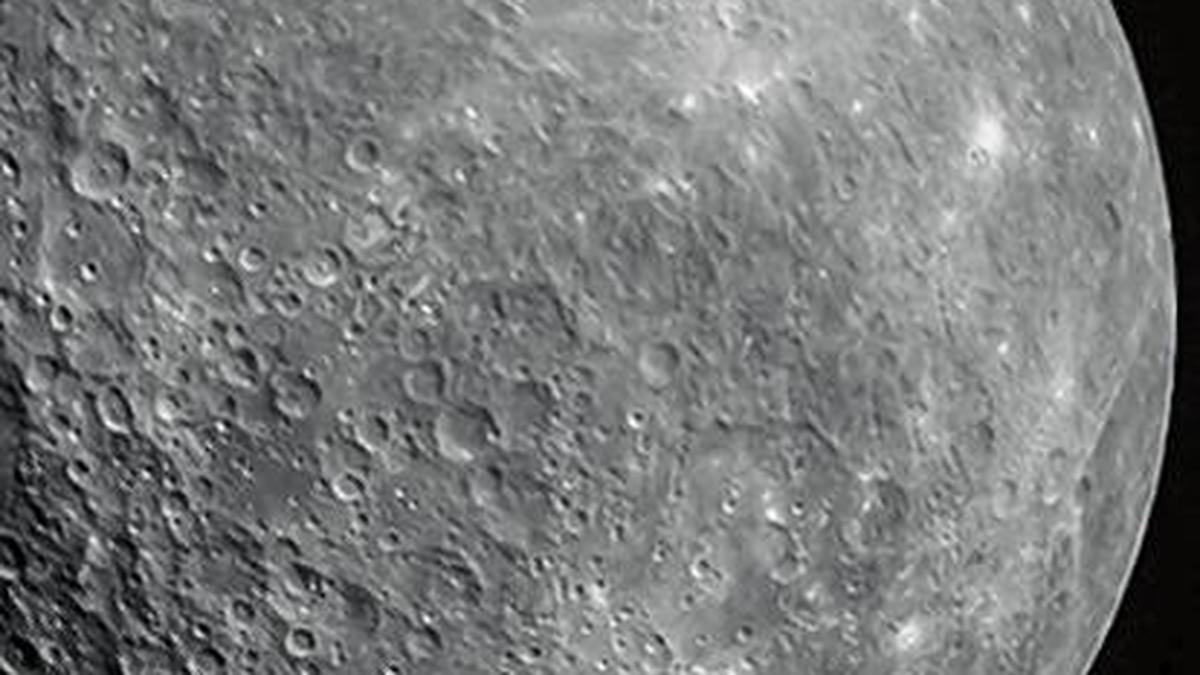
Chandrayaan-2 detects possible presence of subsurface ice near south pole of moon
Scientists focused on doubly shadowed craters, which are special craters located inside permanently shadowed regions of the moon.