Home
Storia in 1 fonti
From Salk Institute discovery to patient care: Vitamin D analog shuts down pancreatic cancer’s shield in clinical trial
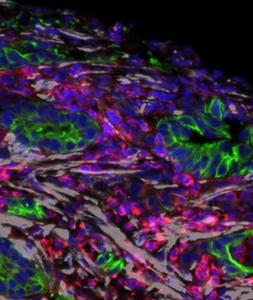
Preclinical studies at the Salk Institute laid the foundation for a question now being tested in patients: Can a vitamin D-based therapy “reprogram” a pancreatic tumor’s protective microenvironment, making tumors more vulnerable to therapeutic treatments? A clinical trial led by the Dana-Farber Cancer Institute now demonstrates that a synthetic vitamin D analog can be administered safely in combination with standard-of-care chemotherapy and effectively reprogram the supporting pancreatic tumor microenvironment. This work also provides early evidence that vitamin D analogs can enhance chemotherapy response and improve survival, especially in patients with high tumor vitamin D receptor expression.
Raccontata da eurekalert.org