Home
Storia in 1 fonti
Why a night of vivid dreams can leave you feeling tired
Stay up to date with notifications from The IndependentNotifications can be managed in browser preferences.Jump to contentThank you for registeringPlease refresh the page or navigate to another page on the site to be automatically logged inPlease refresh your browser to be logged inAllNewsSportCultureLifestyleMost dreaming occurs during rapid eye movement (REM) sleep, which makes up 20-25 per cent of our total sleep time, with individuals typically experiencing four to six rounds nightly. During REM sleep, the brain is highly active, particularly emotional centres, while the muscles are essentially paralysed, and dreams unfold roughly in real-time. Feeling tired after a night of dreaming is not due to the act of dreaming itself, but rather from waking up during an episode, which can disrupt deeper sleep stages. Waking during REM sleep can prevent the brain from effectively clearing adenosine, a waste product that builds up during the day.If you regularly remember most dreams, notice an increase in dream frequency, or consistently wake up tired, it may indicate your brain is not receiving the restorative sleep stages it needs. Consulting a doctor is advisable if it affects daily functioning. In fullThe real reason you feel so tired after a night of vivid dreamsThank you for registeringPlease refresh the page or navigate to another page on the site to be automatically logged inPlease refresh your browser to be logged in
Raccontata da independent.co.uk
Timeline cronologica
- ·
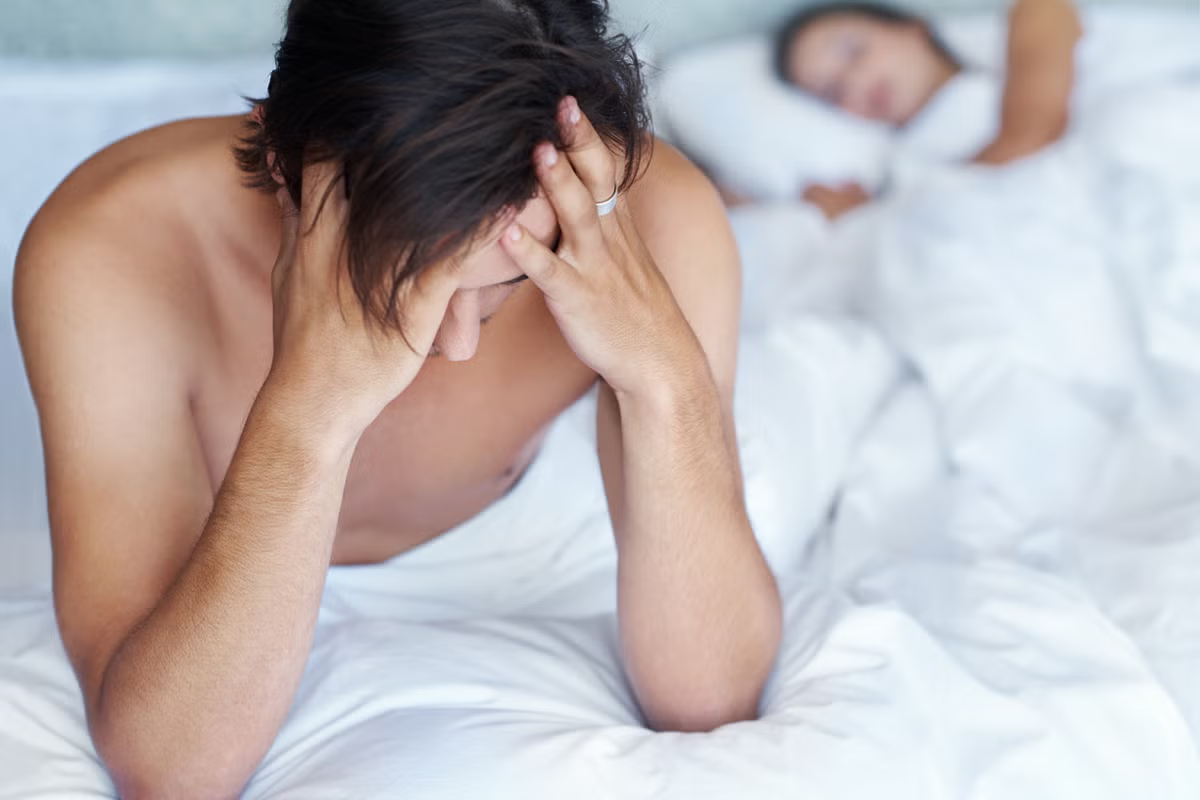
The real reason you feel so tired after a night of vivid dreams
We all dream, and most of us dream multiple times a night, whether we remember it or not
- ·
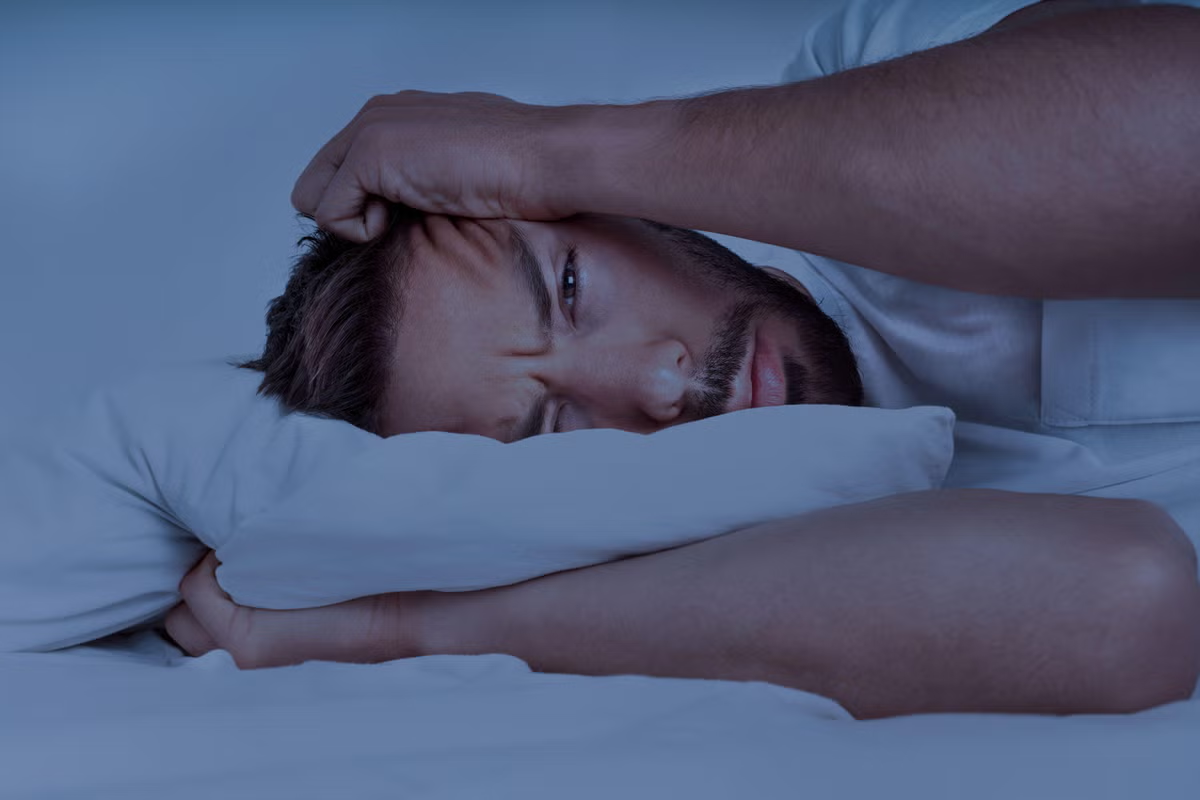
Why a night of vivid dreams can leave you feeling tired
Stay up to date with notifications from The IndependentNotifications can be managed in browser preferences.Jump to contentThank you for registeringPlease refresh the page or…