WARPTECHNEWS · LAB
HomeAIBusinessTechArchive
WARPTECH LAB NEWS

Warptech Lab News aggrega le notizie più rilevanti da oltre 700 fonti internazionali, con classificazione AI, TL;DR sintetici e timeline cluster su singole storie.

Navigazione

  • Home
  • Archivio
  • Editor's Brief
  • Cerca
  • Il tuo account
  • Newsletter tech/AI

Informazioni legali

  • Privacy Policy
  • Termini di servizio
  • Cookie Policy

© 2026 Sparktech S.R.L. — Tutti i diritti riservati. Sito gestito e manutenuto da Sparktech S.R.L.

Sede legale: Corso Libertà 55, 13100 Vercelli (VC), Italia · P.IVA / C.F. 02835910023 · Contatti: admin@warptechlab.com

Home
Storia in 2 fonti

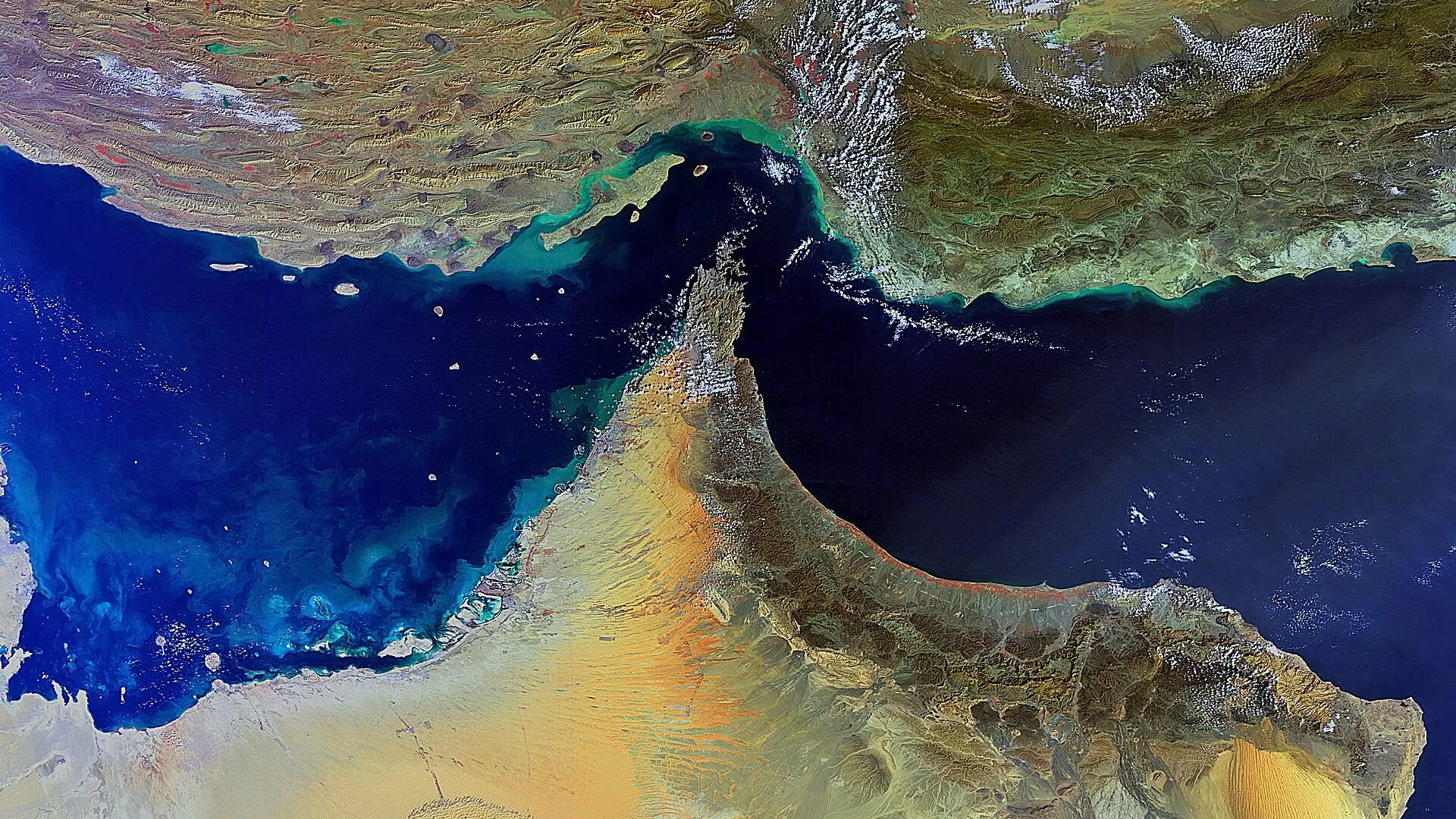
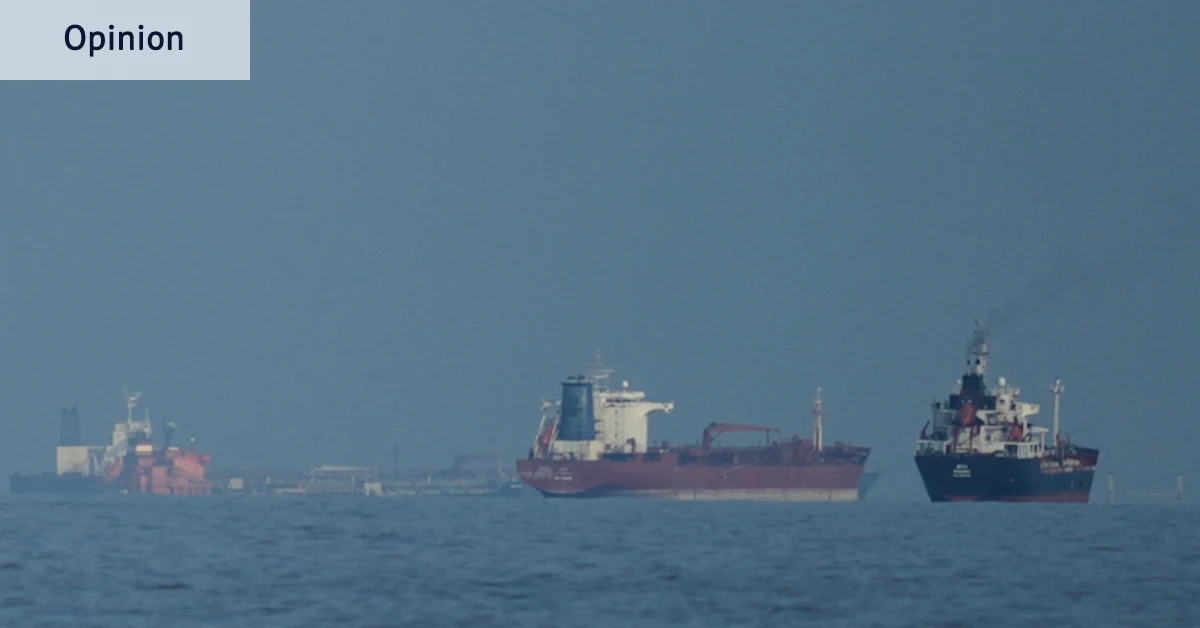
We daren’t ask, but … what if the Strait of Hormuz doesn’t reopen?

Nearly 90 days since the US-Israeli war on Iran all but closed the sea route, it’s worth considering what seems unthinkable but has happened elsewhere. Call it historical science fiction.

Raccontata datheprint.insmh.com.au

Confronto fonti

2 prospettive sulla stessa storia
AI · summaries
smh.com.auStai leggendo6 g fa

We daren’t ask, but … what if the Strait of Hormuz doesn’t reopen?

Nearly 90 days since the US-Israeli war on Iran all but closed the sea route, it’s worth considering what seems unthinkable but has happened elsewhere. Call it historical science fiction.

originale
theprint.in8 g fa

What if the Strait of Hormuz never fully reopens?

Bullion prices climbed as signs of progress in US-Iran talks raised hopes of reopening the Strait of Hormuz and easing pressure on energy markets.

Leggi questa versione → originale

Timeline cronologica

  1. lunedì 25 maggio 2026·theprint.in

    What if the Strait of Hormuz never fully reopens?

    Bullion prices climbed as signs of progress in US-Iran talks raised hopes of reopening the Strait of Hormuz and easing pressure on energy markets.

  2. mercoledì 27 maggio 2026·smh.com.au

    We daren’t ask, but … what if the Strait of Hormuz doesn’t reopen?

    Nearly 90 days since the US-Israeli war on Iran all but closed the sea route, it’s worth considering what seems unthinkable but has happened elsewhere. Call it historical science…