HomeAI · summaries
Storia in 5 fonti
Peace in the Gulf requires accountability, not strategic concessions
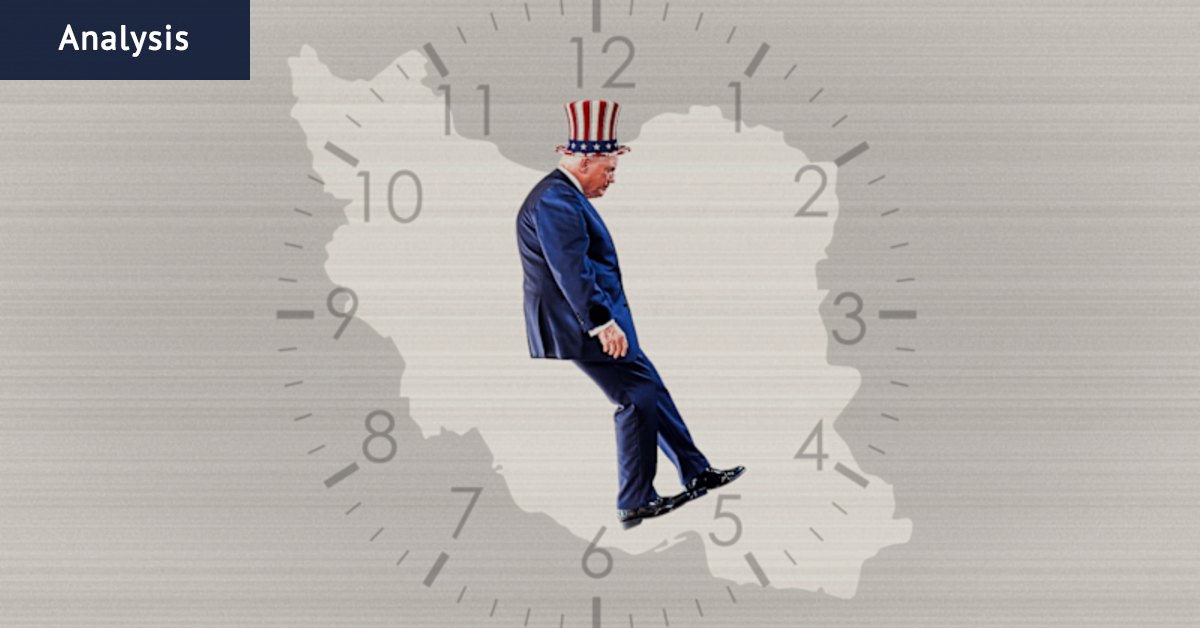
The growing momentum behind a possible US-Iran agreement is being presented internationally as a diplomatic breakthrough capable of preventing a wider regional war. Reports suggest the framework may include reopening the Strait of Hormuz, sanctions relief, a ceasefire arrangement and future nuclear negotiations. From a Gulf perspective, however, the issue is not simply whether a deal is reached. The real question is what kind of deal emerges — and whether it strengthens long-term regional stability or unintentionally rewards the very tactics that created the crisis in the first place.
Confronto fonti
5 prospettive sulla stessa storiaTimeline cronologica
- ·
kyivpost.com
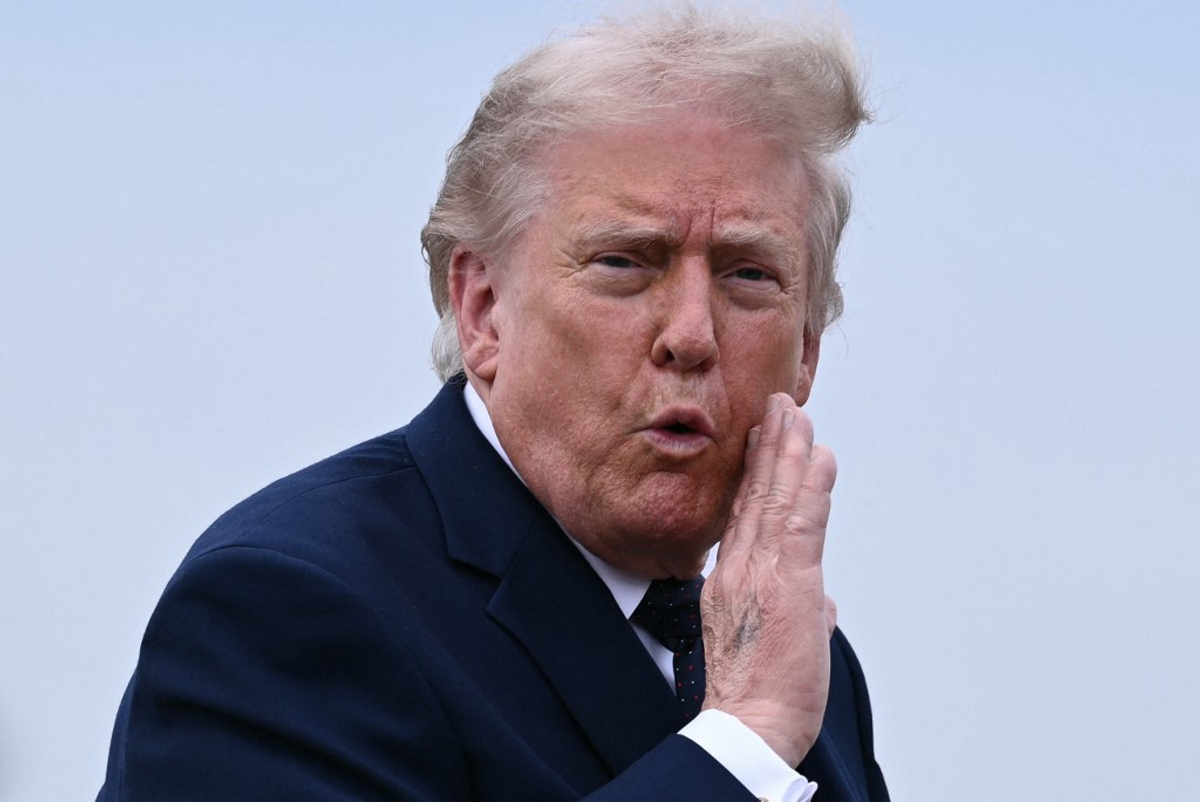
Breakthrough in the Gulf: Trump Declares Comprehensive Peace Agreement with Iran Near Finalization
US President Donald Trump announced that a comprehensive peace deal with Iran has been largely negotiated, including terms to reopen the blockaded Strait of Hormuz.
- ·
timesofindia.indiatimes.com
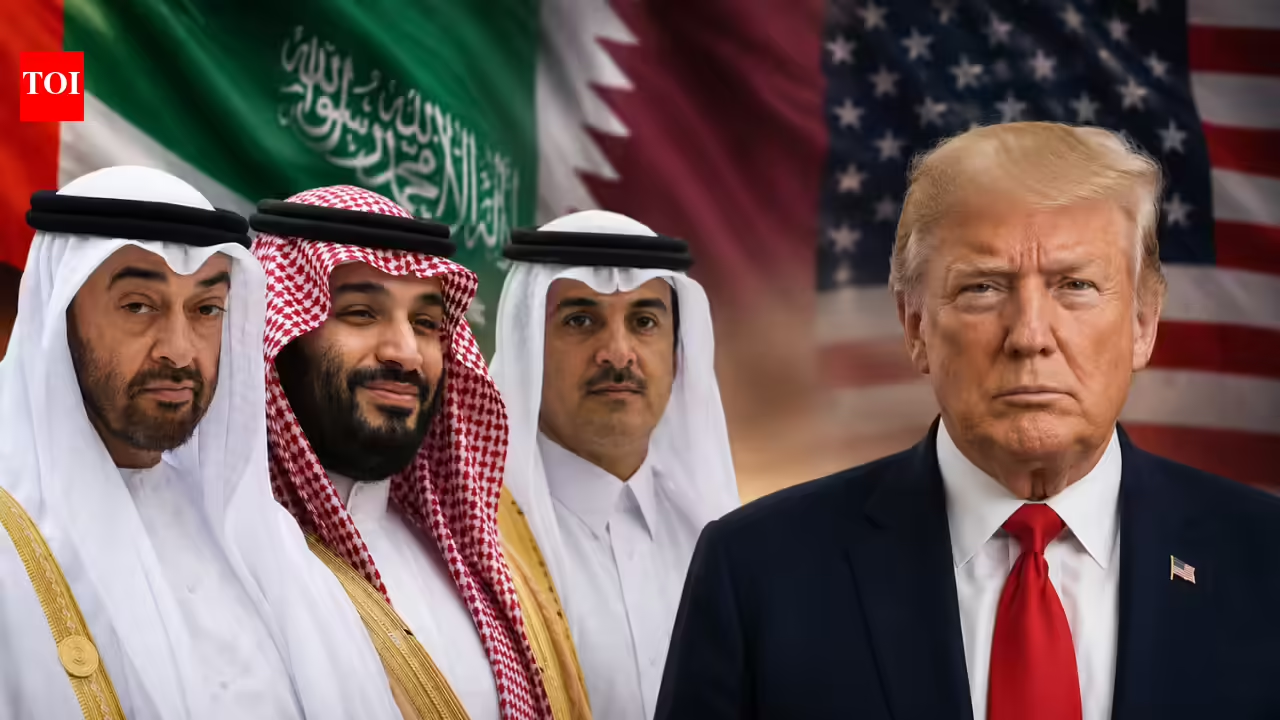
Unreliable guarantees: With US-Iran ceasefire on the horizon, will we see a new order in the Gulf?
As Washington and Tehran edge closer to what could become a broader ceasefire agreement, Gulf states are confronting an uncomfortable question: can the region continue relying on…