WARPTECHNEWS · LAB
HomeAIBusinessTechArchive
WARPTECH LAB NEWS

Warptech Lab News aggrega le notizie più rilevanti da oltre 700 fonti internazionali, con classificazione AI, TL;DR sintetici e timeline cluster su singole storie.

Navigazione

  • Home
  • Archivio
  • Editor's Brief
  • Cerca
  • Il tuo account
  • Newsletter tech/AI

Informazioni legali

  • Privacy Policy
  • Termini di servizio
  • Cookie Policy

© 2026 Sparktech S.R.L. — Tutti i diritti riservati. Sito gestito e manutenuto da Sparktech S.R.L.

Sede legale: Corso Libertà 55, 13100 Vercelli (VC), Italia · P.IVA / C.F. 02835910023 · Contatti: admin@warptechlab.com

Home
Storia in 2 fonti

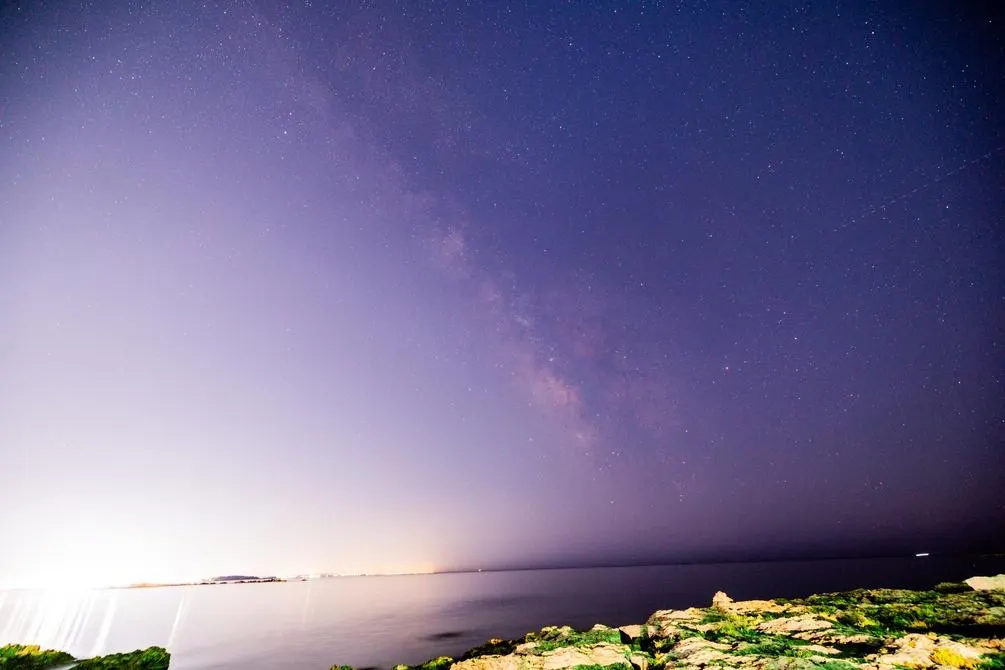
Why Artificial Light Should Now Be Legally Classed As Pollution

The Royal Astronomical Society is urging governments to classify artificial light as pollution, citing growing risks to health, biodiversity and astronomy.

Raccontata daforbes.comdw.com

Confronto fonti

2 prospettive sulla stessa storia
AI · summaries
forbes.comStai leggendo4 g fa

Why Artificial Light Should Now Be Legally Classed As Pollution

The Royal Astronomical Society is urging governments to classify artificial light as pollution, citing growing risks to health, biodiversity and astronomy.

originale
dw.com2 g fa

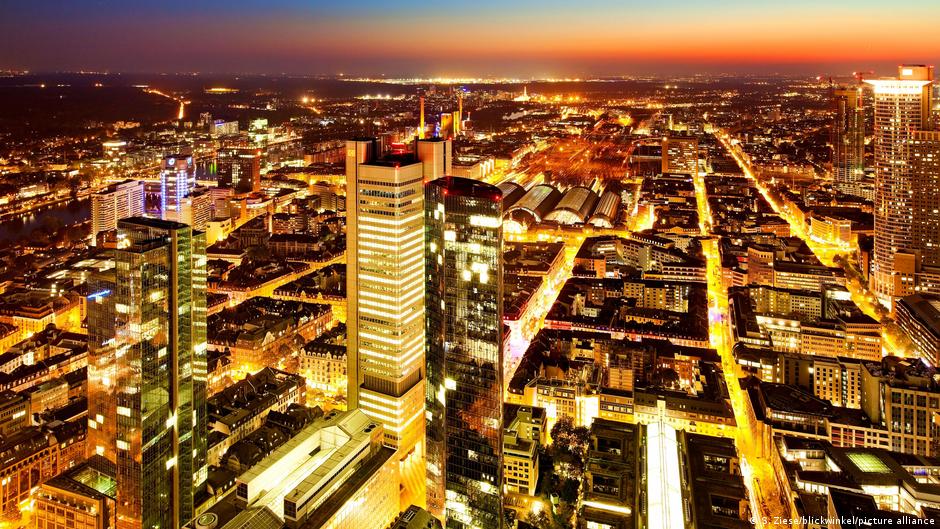
Blinded by the light pollution: Cities seek to restore night

Artificial lights are blotting out the moon and stars, harming human health, and disrupting the natural world. Why is this a problem? And how can we stop it without sitting in the dark?

Leggi questa versione → originale

Timeline cronologica

  1. sabato 23 maggio 2026·forbes.com

    Why Artificial Light Should Now Be Legally Classed As Pollution

    The Royal Astronomical Society is urging governments to classify artificial light as pollution, citing growing risks to health, biodiversity and astronomy.

  2. lunedì 25 maggio 2026·dw.com

    Blinded by the light pollution: Cities seek to restore night

    Artificial lights are blotting out the moon and stars, harming human health, and disrupting the natural world. Why is this a problem? And how can we stop it without sitting in the…