WARPTECHNEWS · LAB
HomeAIBusinessTechArchive
WARPTECH LAB NEWS

Warptech Lab News aggrega le notizie più rilevanti da oltre 700 fonti internazionali, con classificazione AI, TL;DR sintetici e timeline cluster su singole storie.

Navigazione

  • Home
  • Archivio
  • Editor's Brief
  • Cerca
  • Il tuo account
  • Newsletter tech/AI

Informazioni legali

  • Privacy Policy
  • Termini di servizio
  • Cookie Policy

© 2026 Sparktech S.R.L. — Tutti i diritti riservati. Sito gestito e manutenuto da Sparktech S.R.L.

Sede legale: Corso Libertà 55, 13100 Vercelli (VC), Italia · P.IVA / C.F. 02835910023 · Contatti: admin@warptechlab.com

Home
Storia in 2 fonti

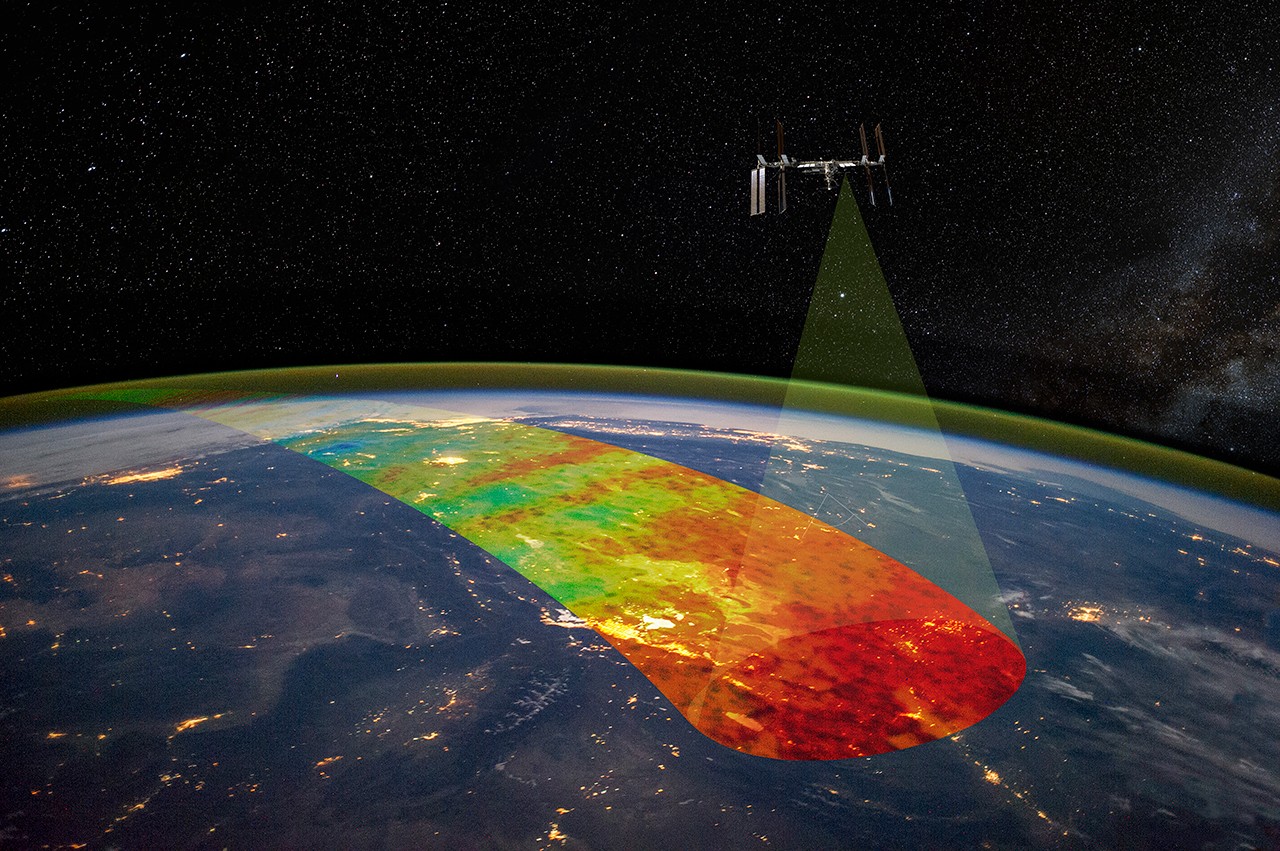
NASA’s AWE Completes Mission to Study Earth’s Effect on Space Weather - NASA Science

On May 21, ground controllers powered down NASA’s AWE (Atmospheric Waves Experiment) instrument, bringing the data collection phase of the mission to a

Raccontata dascience.nasa.govinfobae.com

Confronto fonti

2 prospettive sulla stessa storia
AI · summaries
science.nasa.govStai leggendo1 mesi fa

NASA’s AWE Completes Mission to Study Earth’s Effect on Space Weather - NASA Science

On May 21, ground controllers powered down NASA’s AWE (Atmospheric Waves Experiment) instrument, bringing the data collection phase of the mission to a

originale
infobae.com1 mesi fa

Cómo las tormentas en la Tierra alteran el clima espacial: los datos de una misión de la NASA

La agencia apagó el instrumento instalado en el exterior de la Estación Espacial Internacional el 21 de mayo, tras 30 meses de observaciones infrarrojas

Leggi questa versione → originale

Timeline cronologica

  1. giovedì 21 maggio 2026·science.nasa.gov

    NASA’s AWE Completes Mission to Study Earth’s Effect on Space Weather - NASA Science

    On May 21, ground controllers powered down NASA’s AWE (Atmospheric Waves Experiment) instrument, bringing the data collection phase of the mission to a

  2. venerdì 22 maggio 2026·infobae.com

    Cómo las tormentas en la Tierra alteran el clima espacial: los datos de una misión de la NASA

    La agencia apagó el instrumento instalado en el exterior de la Estación Espacial Internacional el 21 de mayo, tras 30 meses de observaciones infrarrojas