Home
Storia in 1 fonti
XPENG’s Human Approach To Technology Part 2: Automation, AI & Expectations - CleanTechnica
In the first part of this series on XPENG, I focused on how the technology company treats and develops its employees. In the second part, the focus shifts to how Automation and AI make the most of their employees, as well as how this relates to existing expectations and expectations for the future. In 2025, XPENG grew from 15,364 to 19,884 employees, with R&D personnel comprising over 40% of the total. Last year, they also sold 429,445 vehicles, up 125.9%. Employee count and sales are also projected to grow this year, with new models and market expansion. However, compared to many other automakers, that is fewer employees per car but a much higher proportion of employees in R&D. While XPENG may not have the level of vertical integration seen in some automakers, that also means that they do not have to dedicate resources to develop every part of the car. That lets them concentrate on the technology that sets them apart, including their in-house developed Turing chip, full-stack AI and intelligent driving systems that enable products like their recently launched Robotaxi. The approach is less like a manufacturer trying to become the next Toyota and more like a Silicon Valley tech company. However, the accomplishments at XPENG were only made possible due to how their employees use technology to develop and produce new technology.
Raccontata da cleantechnica.com
Timeline cronologica
- ·
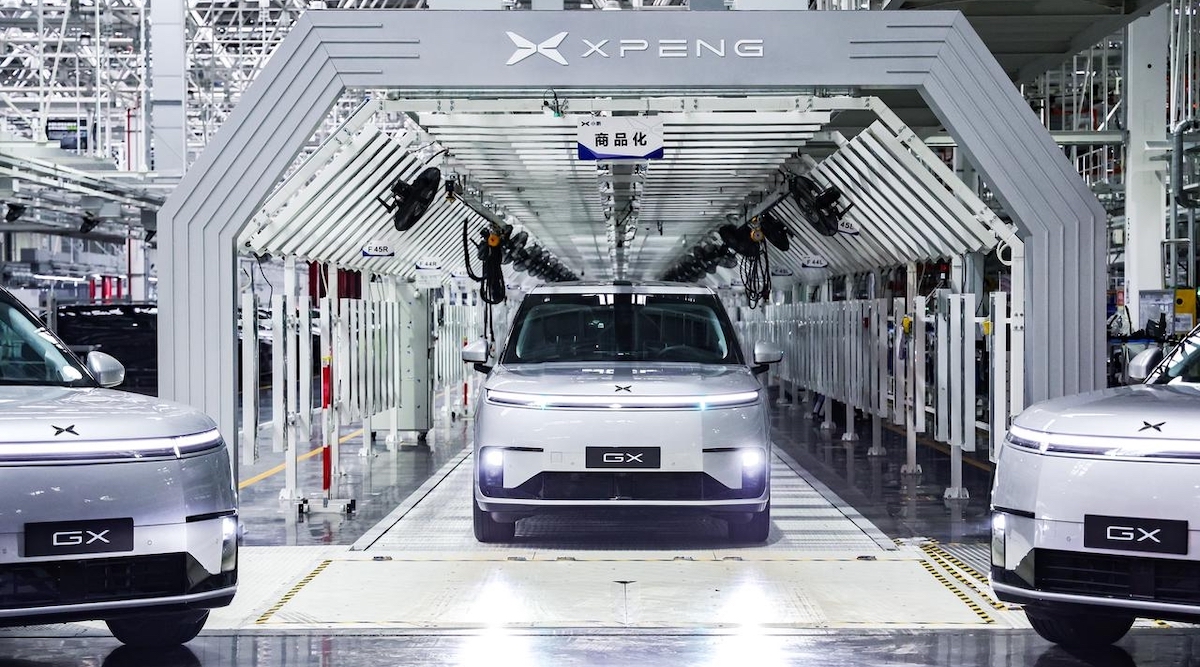
XPENG Starts Producing Robotaxis - CleanTechnica
Support CleanTechnica's work through a Substack subscription or on Stripe. XPENG has been quick to develop its autonomous driving capabilities. It feels like the company has…
- ·
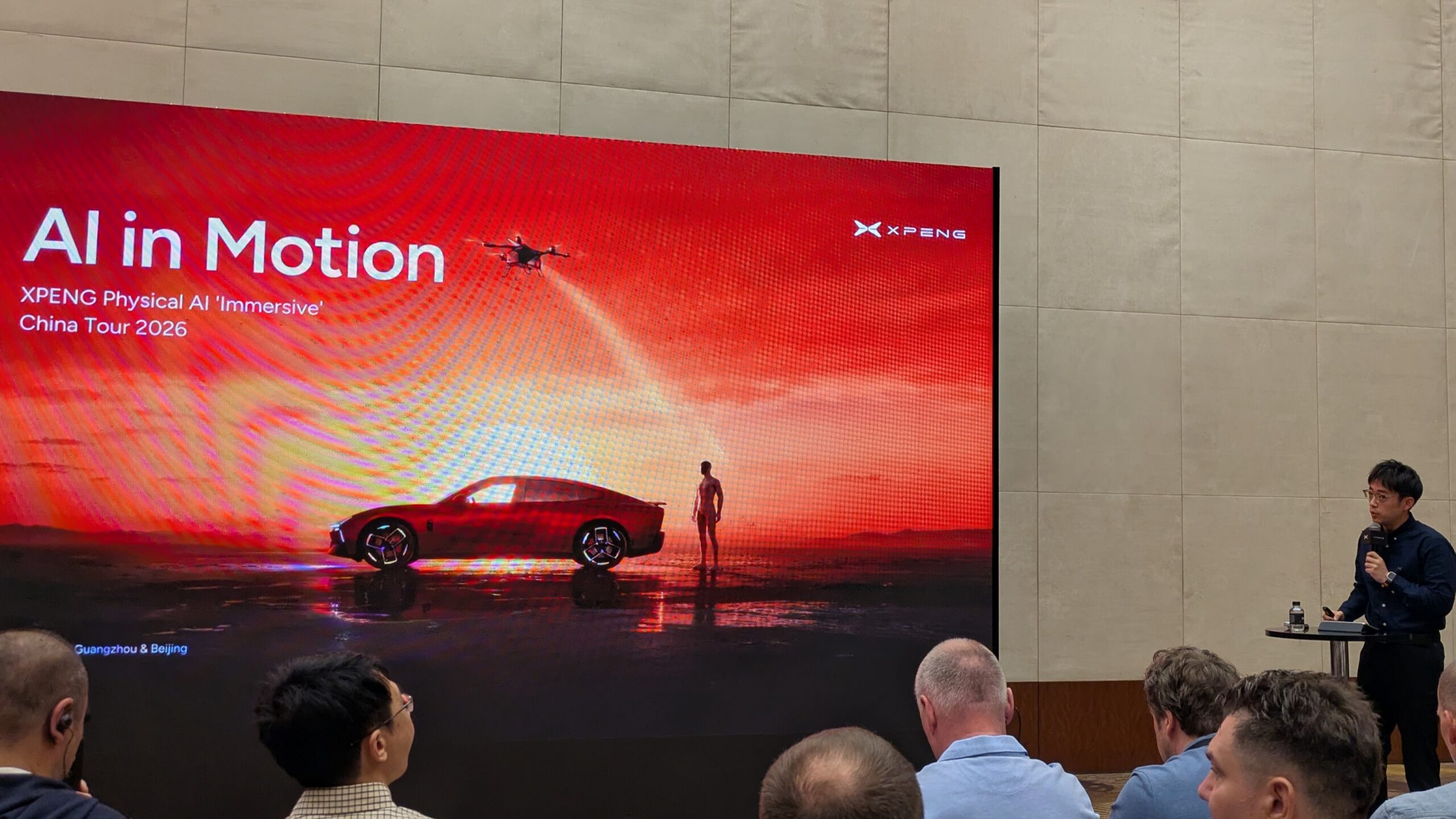
XPENG’s Human Approach To Technology Part 2: Automation, AI & Expectations - CleanTechnica
In the first part of this series on XPENG, I focused on how the technology company treats and develops its employees. In the second part, the focus shifts to how Automation and AI…