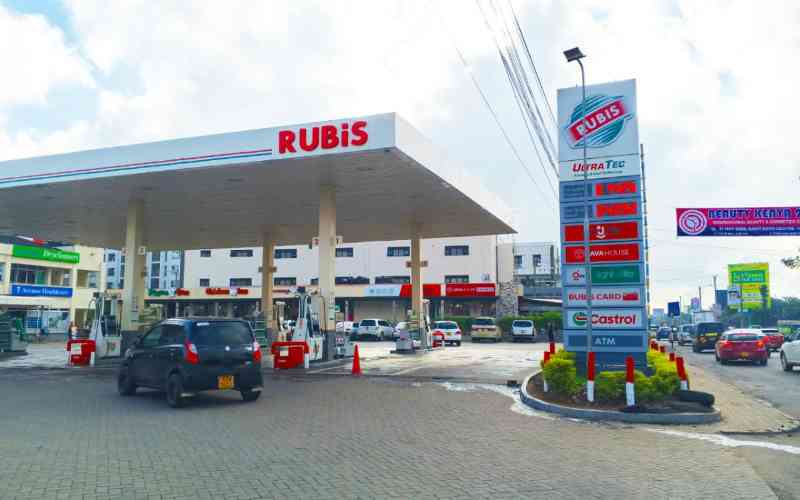
High fuel prices in Kenya have forced some public transport operators in the North Rift to cross the border to Uganda to buy the commodity.

Kenyans have been pushed to the edge by runaway fuel prices that continue to trigger pain across every sector of the economy.

Transport operators across Kenya have announced a nationwide shutdown, citing rising fuel prices, heavy taxation, and unsustainable operating costs.


Transporters in Nairobi—including ride-hailing drivers, public transport operators, and long-distance truckers—began a strike on Monday.

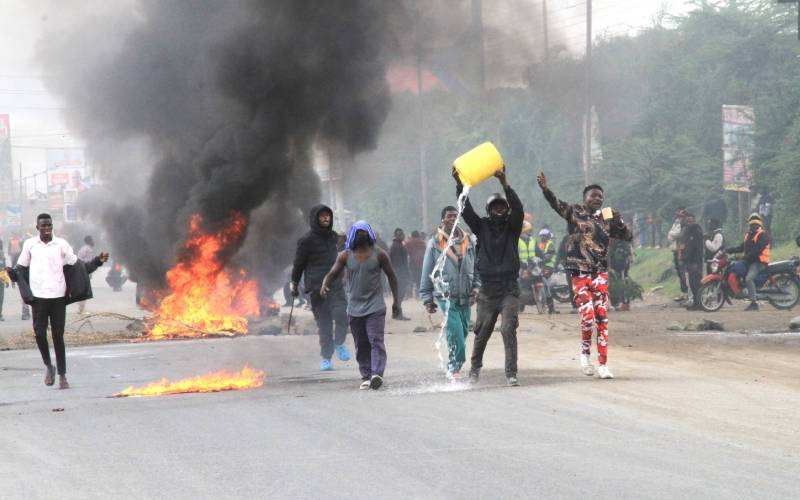
Commuters were stranded and businesses disrupted as anger over rising fuel costs spilled onto Kenya’s roads.

Kenya’s transport strike over soaring fuel prices crippled Nairobi, stranded commuters and raised fears of wider supply-chain disruption across East Africa

Protests erupted across Ukambani as transport operators and residents took to the streets over rising fuel prices, paralysing towns like Makueni, Machakos and Kitui.

Fuel price protests paralysed major Rift Valley towns, leaving roads blocked, businesses shut and one person dead in Nakuru after violent clashes between demonstrators and police.

High fuel prices in Kenya have forced some public transport operators in the North Rift to cross the border to Uganda to buy the commodity.

High fuel costs are crippling the flow of Kenya’s economy, a leading business lobby warned on Wednesday.

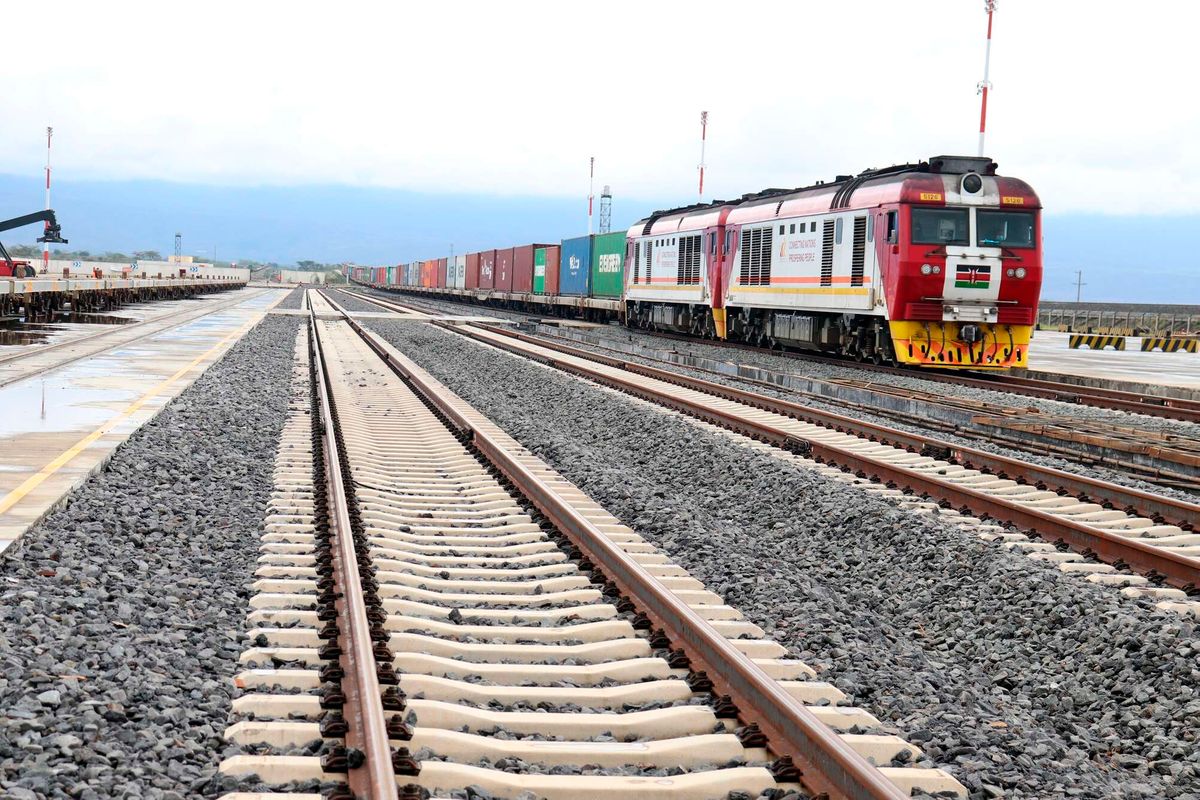
Higher fuel prices have pushed Kenya Railways to raise freight charges, increasing costs for transporters and regional trade routes.

Riots triggered by rising fuel prices have disrupted business activities in the border town of Busia.