Home
Storia in 1 fonti
Mastering AI agent observability: From black-box to traceable systems
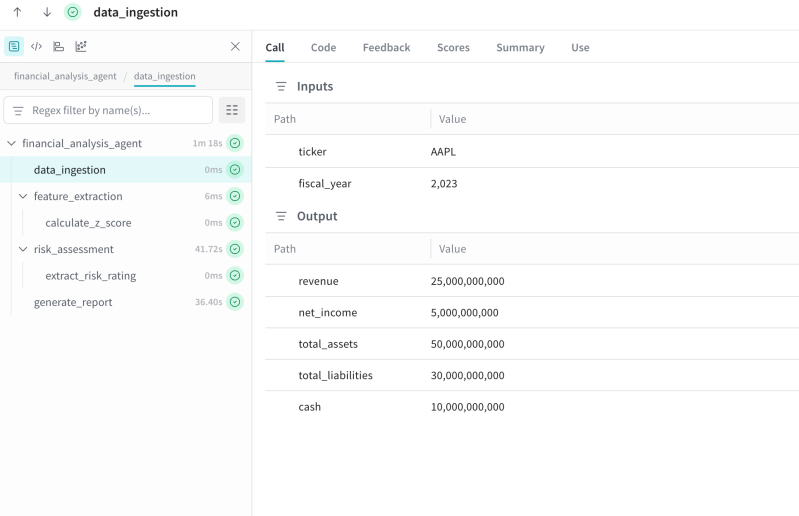
Traditional observability was designed for deterministic software, focusing on infrastructure health through CPU usage, memory, network statistics, and linear request-response traces. The failure modes are usually crashes or timeouts.Agent observability extends this paradigm in several important ways:DimensionTraditional ObservabilityAgent ObservabilityPrimary focusInfrastructure healthReasoning, tool usage, behaviourTelemetryHTTP requests, DB queriesPrompts, responses, intermediate “thoughts,” evaluation scoresFlow structureLinear request-responseHierarchical, branched, often with loops or retriesKey KPIsThroughput, error ratesToken usage, hallucination rates, semantic drift, task successFailure modesCrashes, timeoutsFluent but wrong answers, policy violations, stale contextThe same prompt can produce different outputs based on retrieved documents, tool responses, and prior conversation history. Therefore, observability must track the exact state and inputs at every step, not just “request took 230ms.”
Raccontata da wandb.ai