WARPTECHNEWS · LAB
HomeAIBusinessTechArchive
WARPTECH LAB NEWS

Warptech Lab News aggrega le notizie più rilevanti da oltre 700 fonti internazionali, con classificazione AI, TL;DR sintetici e timeline cluster su singole storie.

Navigazione

  • Home
  • Archivio
  • Editor's Brief
  • Cerca
  • Il tuo account
  • Newsletter tech/AI

Informazioni legali

  • Privacy Policy
  • Termini di servizio
  • Cookie Policy

© 2026 Sparktech S.R.L. — Tutti i diritti riservati. Sito gestito e manutenuto da Sparktech S.R.L.

Sede legale: Corso Libertà 55, 13100 Vercelli (VC), Italia · P.IVA / C.F. 02835910023 · Contatti: admin@warptechlab.com

Home
Storia in 2 fonti

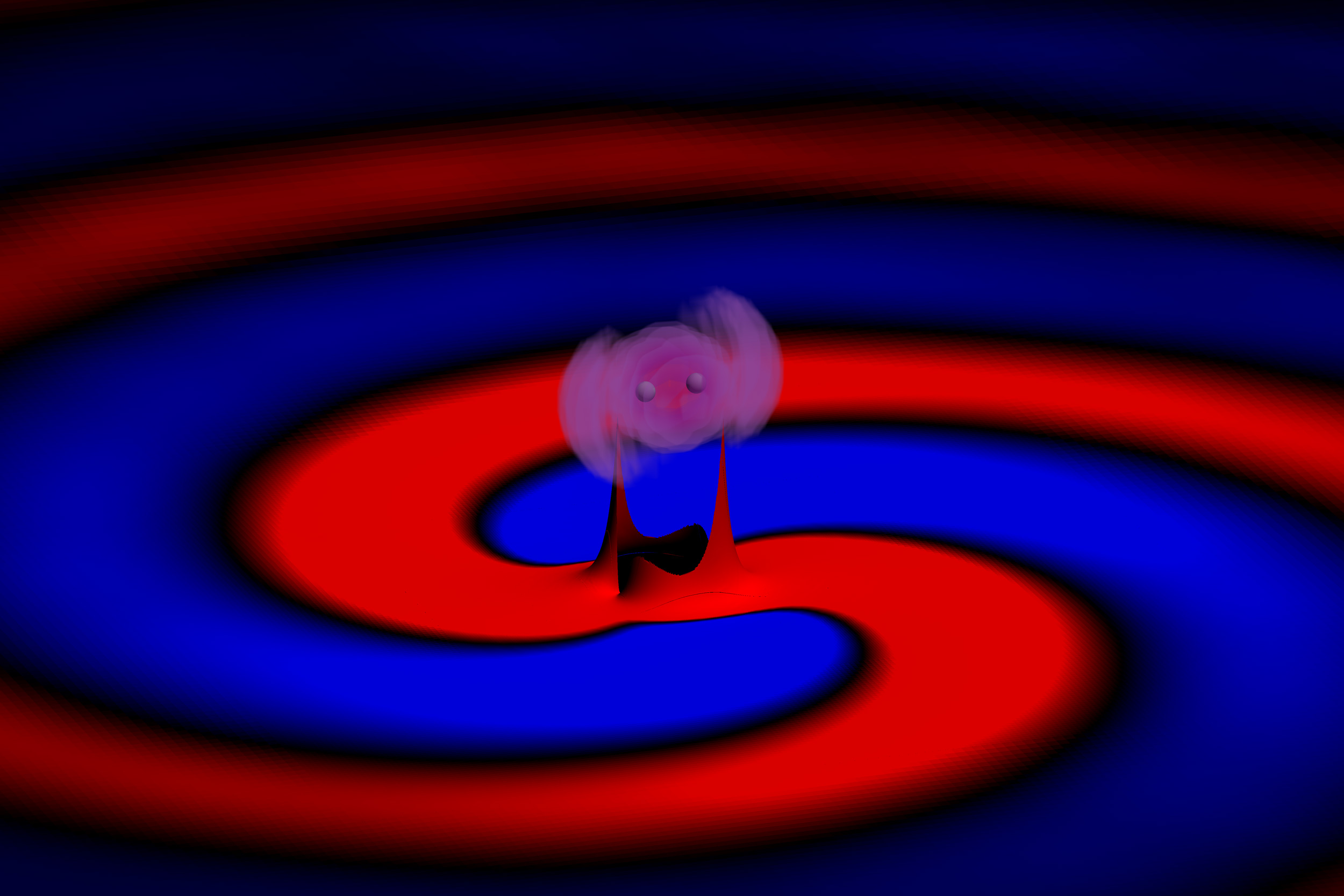
A new way to spot signs of dark matter

A new method could enable physicists to spot signs of dark matter in gravitational waves that are detected on Earth. This could occur if two colliding black holes spiral through a dense region of dark matter and merge, leaving an imprint in gravitational waves that are rippling across space and time.

Raccontata danews.mit.eduspace.com

Confronto fonti

2 prospettive sulla stessa storia
AI · summaries
news.mit.eduStai leggendo1 mesi fa

A new way to spot signs of dark matter

A new method could enable physicists to spot signs of dark matter in gravitational waves that are detected on Earth. This could occur if two colliding black holes spiral through a dense region of dark matter and merge,…

originale
space.com1 mesi fa

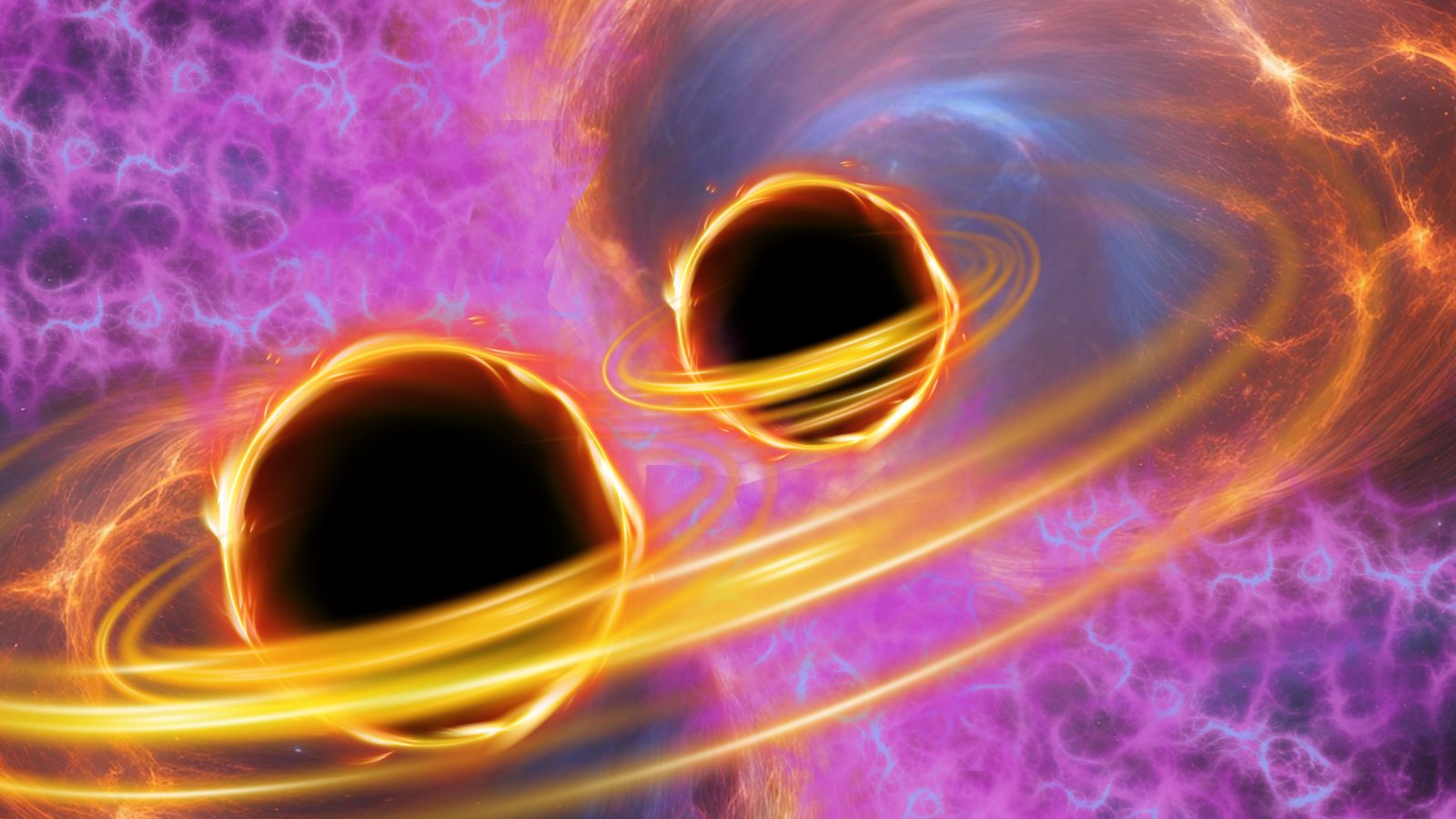
We still can't see dark matter. But what if we can hear it?

Black holes smashing together may churn dark matter "butter," scientists say.

Leggi questa versione → originale

Timeline cronologica

  1. martedì 12 maggio 2026·news.mit.edu

    A new way to spot signs of dark matter

    A new method could enable physicists to spot signs of dark matter in gravitational waves that are detected on Earth. This could occur if two colliding black holes spiral through a…

  2. venerdì 15 maggio 2026·space.com

    We still can't see dark matter. But what if we can hear it?

    Black holes smashing together may churn dark matter "butter," scientists say.