HomeAI · summaries
Storia in 2 fonti
From cars to data centers: The battery industry pivot - WP Intelligence
Rapid scale-up and government support has helped Chinese battery manufacturers drive down lithium-ion battery costs. This has expanded global markets and opened up new applications such as grid storage— while concentrating battery manufacturing in China and raising competitiveness concerns. (Go Nakamura / Reuters)Key TakeawaysGlobal battery demand continues to grow rapidly despite turbulence in EV markets. The global energy storage industry is expanding at remarkable speed. Industry forecasts project that battery and energy storage markets could more than triple by 2035 as demand grows for electric vehicles, grid-scale storage, AI infrastructure and industrial electrification.Chinese manufacturers are reshaping the economics of the global battery industry. Chinese companies such as CATL and BYD now operate at enormous scale, while continuing to lower battery costs and expand manufacturing capacity. Western automakers and battery companies are struggling to adapt to rapidly changing market conditions. Slower-than-expected EV adoption in some markets, falling battery prices, shifting government policies and intense pricing competition have forced many companies to rethink earlier investment assumptions. U.S. automakers have booked more than $70 billion in write-downs and restructuring charges tied to EV and battery strategy revisions since late 2024. AI data centers and electric grid modernization are emerging as major new drivers of battery demand. Battery storage is becoming enmeshed in the critical infrastructure that keeps the grid reliable. IntroductionThe global energy storage and battery industry is expanding rapidly. The battery market alone exceeded roughly $150 billion in 2025, while multiple industry forecasts project strong, double-digit growth through 2035 as batteries become increasingly important for electric vehicles, electric grids, AI data centers and industrial energy systems.But beneath that growth story, the sector is also going through a period of intense upheaval. Over the past 18 months, U.S. automakers and battery companies have announced tens of billions of dollars in write-downs, delayed or canceled factories, and strategic reversals as market demands continue to shift.Prices for lithium-ion batteries have fallen rapidly, squeezing margins just as Chinese manufacturers continue to expand production capacity at enormous scale. Battery manufacturers in the United States and Europe are being squeezed in the process.Ray Kubis, CEO of Silicon Joule, a Silicon Valley-based battery technology company, described the current environment at the annual conference of the Battery Council International in Nashville last week. “The pressure is increasing,” he said. “This includes pressures on large and niche-focused battery companies and start-ups; those with multiple chemistries; or those focused on just one chemistry trying to protect their space.”Meanwhile, new sources of demand are emerging. Utilities increasingly see batteries as essential infrastructure for managing grid reliability, integrating renewable power and handling rapid growth in electricity demand. AI-driven data centers, robotics, industrial electrification...
Confronto fonti
2 prospettive sulla stessa storiaTimeline cronologica
- ·
wpintelligence.washingtonpost.com
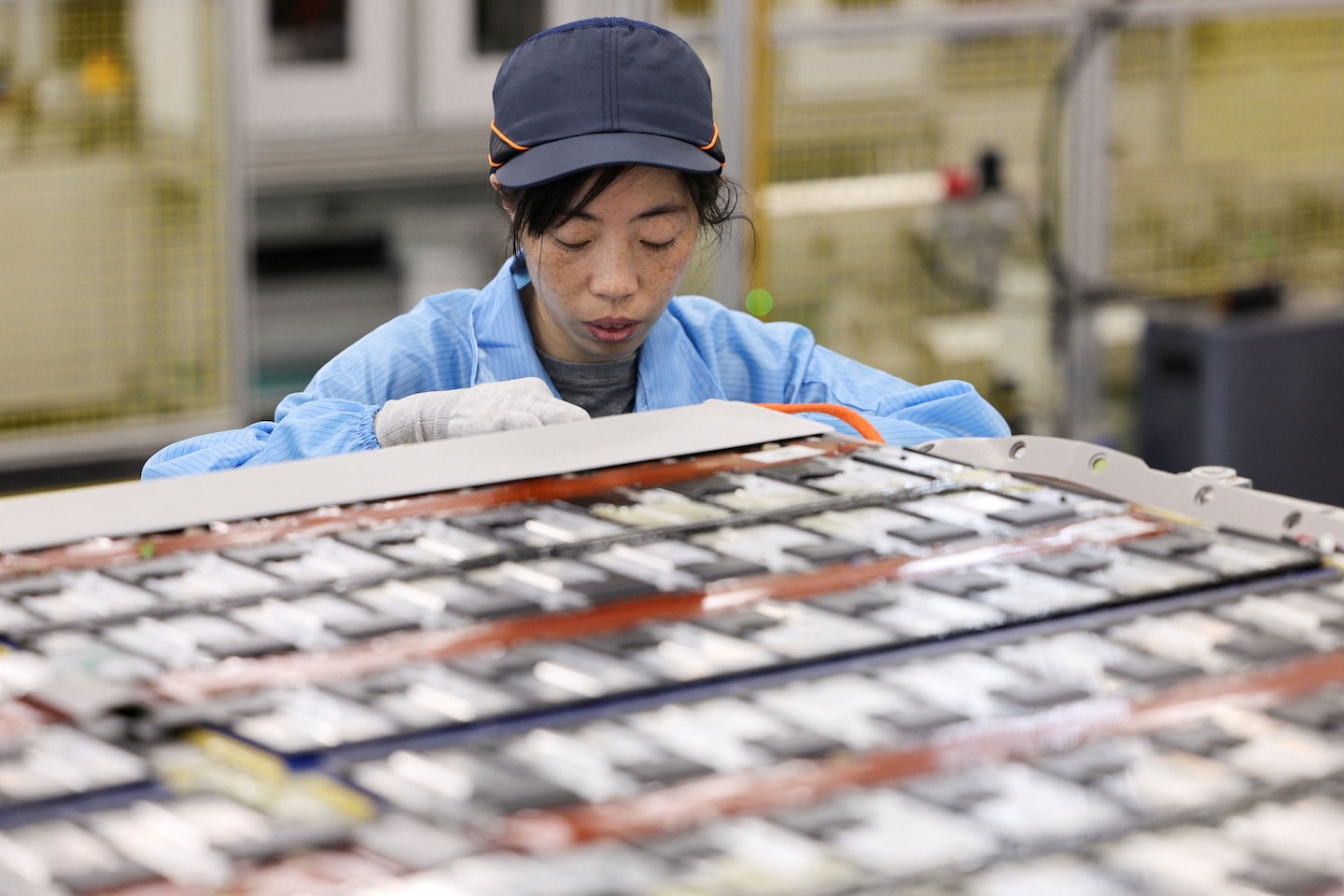
From cars to data centers: The battery industry pivot - WP Intelligence
Rapid scale-up and government support has helped Chinese battery manufacturers drive down lithium-ion battery costs. This has expanded global markets and opened up new…
- ·
theinformation.com
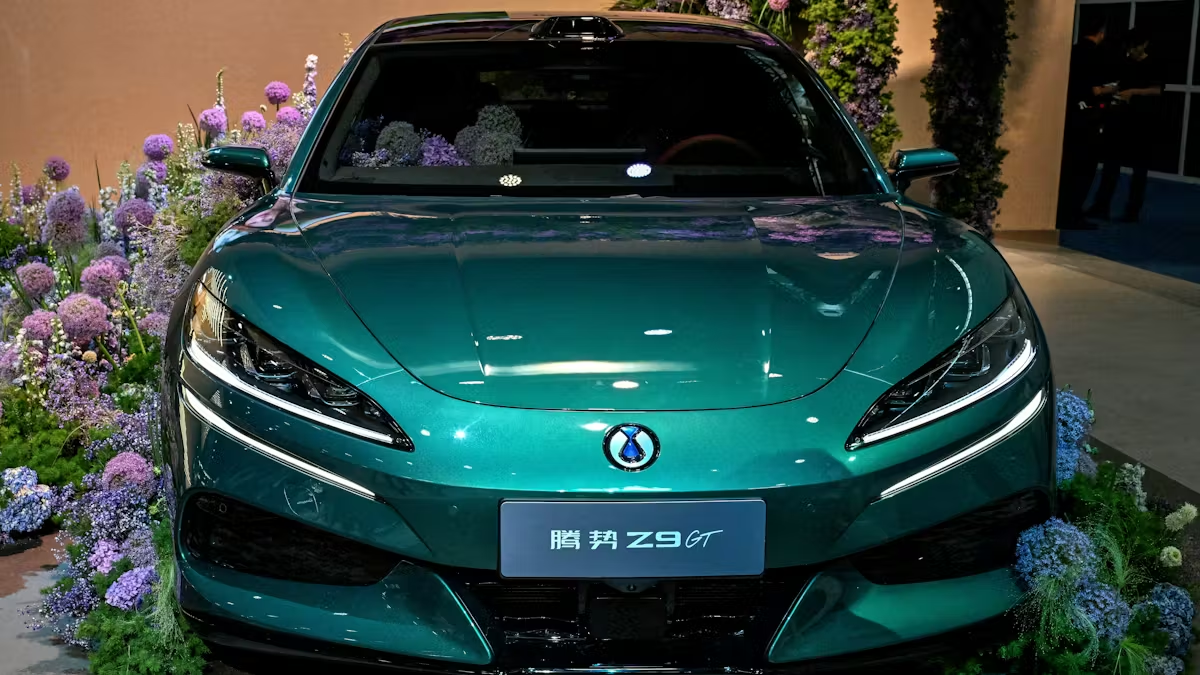
The Electric: China Steals a Manufacturing March on Another American-Made Technology
For 15 years, Gene Berdichevsky, CEO of silicon carbon battery developer Sila Nanotechnologies, has been working to commercialize a battery that would charge much faster and power…