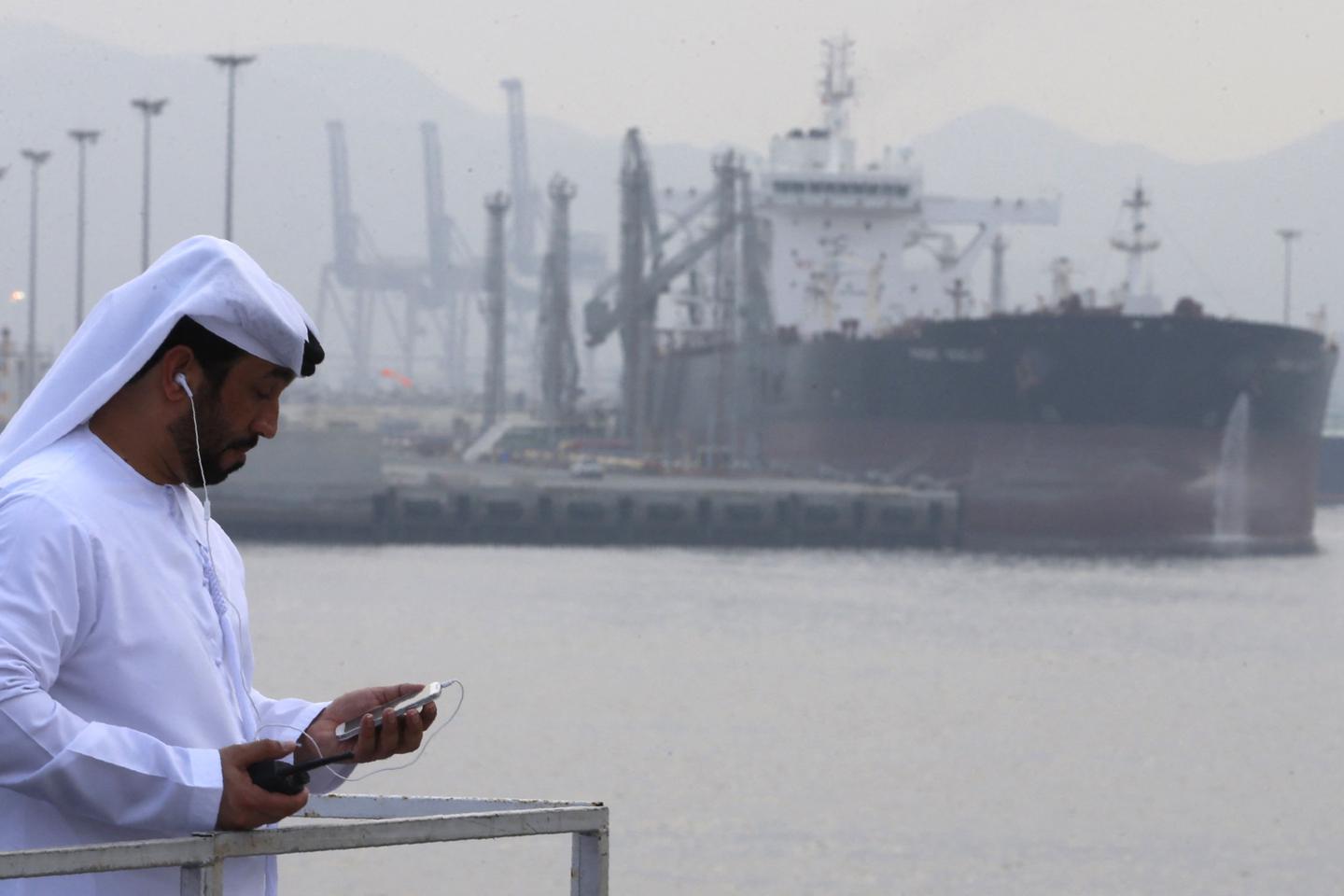
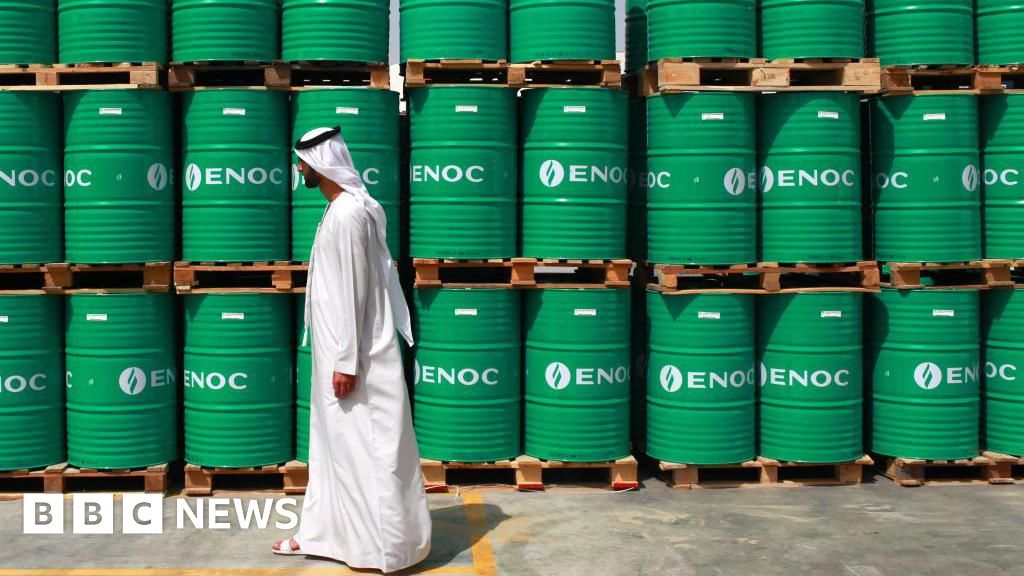
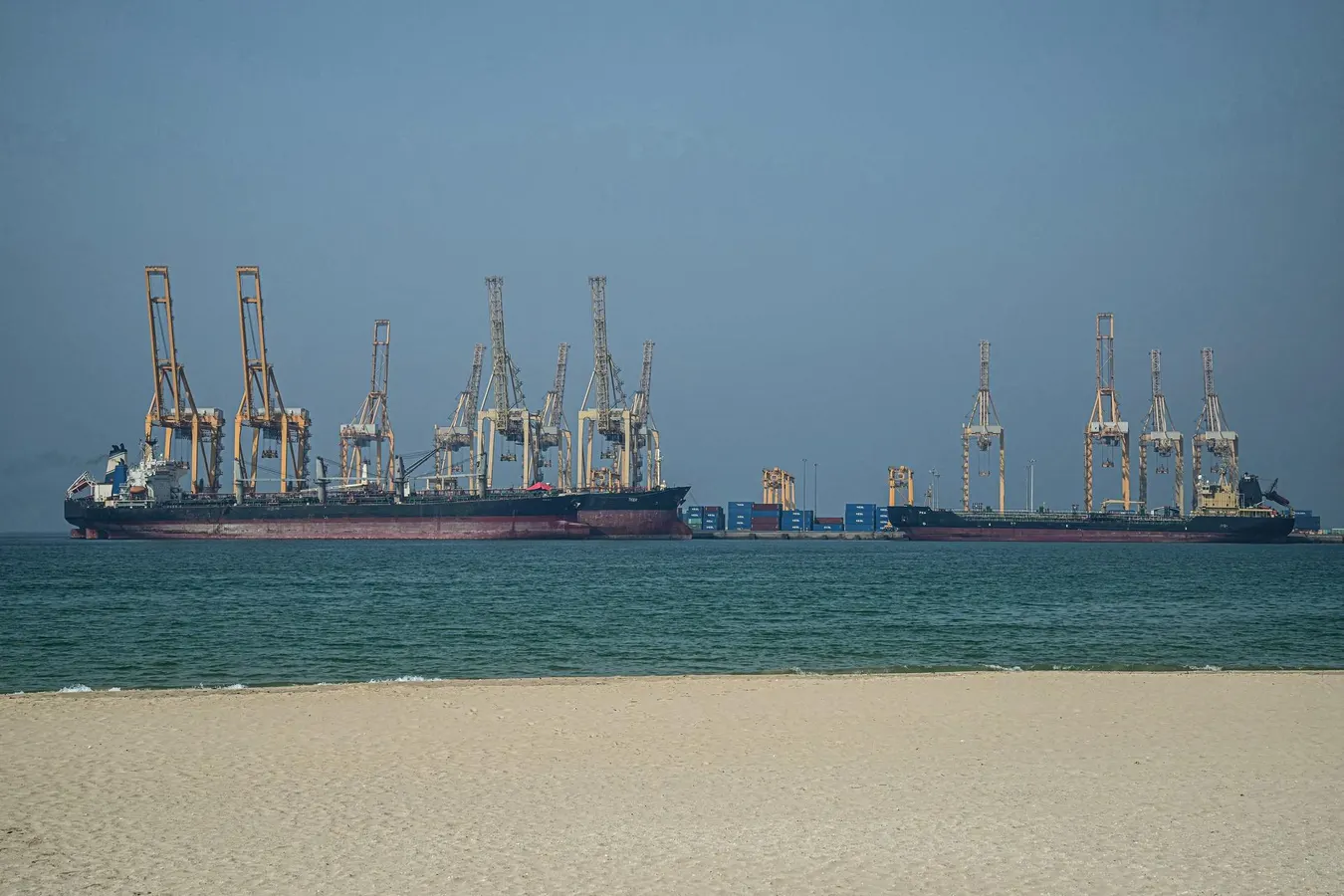
The Gulf state is the latest to quit the group, which was created to form a united front on oil pricing.

The United Arab Emirates announced on Tuesday its withdrawal from the Organization of the Petroleum Exporting Countries (OPEC) and the broader OPEC+ alliance, in a decision taking…

“This is a policy decision, it has been done after a careful look at current and future policies related to level of production,” energy minister says.
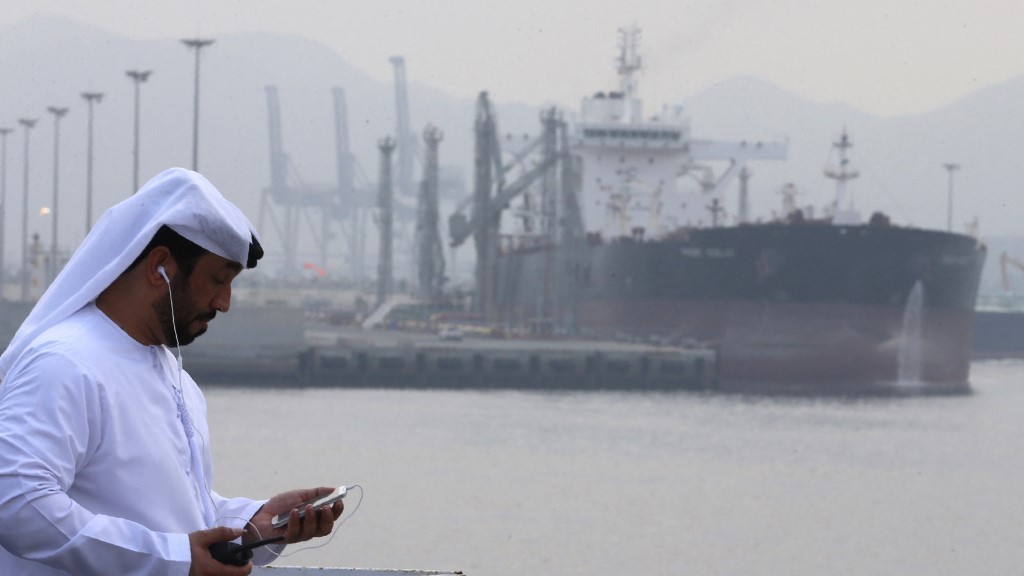
Gulf state to leave petroleum cartel from 1 May following regional energy shocks

UAE's exit from OPEC and OPEC+ shakes global oil markets amid rising tensions and Iranian threats during the ongoing war.

This is a developing story.

The UAE says it is leaving the Opec and Opec+ groups of major oil producing nations.

Big win for Donald Trump, who has accused organisation of ‘ripping off the rest of the world’ by inflating oil prices

The UAE was the third-largest producer in OPEC in February, behind Saudi Arabia and Iraq.

It's a win for Trump, who once accused the organisation of "ripping off the rest of the world" by inflating oil prices.

Abu Dhabi, long at odds over quotas, says exit will free output as experts point to Saudi rift and push to boost production.

According to the Emirates state news agency, the UAE's decision to exit OPEC and OPEC+ "reflects the UAE’s long-term strategic and economic vision and evolving energy profile"

The UAE has been an OPEC member through the emirate of Abu Dhabi since 1967, four years before the former British protectorate became a country.

On May 1, the United Arab Emirates will end its a 59-year membership in the oil consortium, allowing it to raise output during one of the most volatile energy markets in years.

It will have little effect on the current oil blockades, but it could change everything afterwards.

UAE’s withdrawal will leave the oil group with 11 member countries, including Saudi Arabia, Iran, and Iraq

The United Arab Emirates announced Tuesday that it would leave the Organization of the Petroleum Exporting Countries on May 1 after over 50 years.

The Gulf state is the latest to quit the group, which was created to form a united front on oil pricing.

OPEC's fourth-largest producer will leave the cartel on May 1, marking the most significant departure in the group’s history as the war changes Abu Dhabi's relationship priorities.

The UAE wants to ramp up production without constraints from OPEC, which could prove bearish for prices at some point.

The UAE is among the largest oil producers in the world.