WARPTECHNEWS · LAB
HomeAIBusinessTechArchive
WARPTECH LAB NEWS

Warptech Lab News aggrega le notizie più rilevanti da oltre 700 fonti internazionali, con classificazione AI, TL;DR sintetici e timeline cluster su singole storie.

Navigazione

  • Home
  • Archivio
  • Editor's Brief
  • Cerca
  • Il tuo account
  • Newsletter tech/AI

Informazioni legali

  • Privacy Policy
  • Termini di servizio
  • Cookie Policy

© 2026 Sparktech S.R.L. — Tutti i diritti riservati. Sito gestito e manutenuto da Sparktech S.R.L.

Sede legale: Corso Libertà 55, 13100 Vercelli (VC), Italia · P.IVA / C.F. 02835910023 · Contatti: admin@warptechlab.com

Home
Storia in 2 fonti

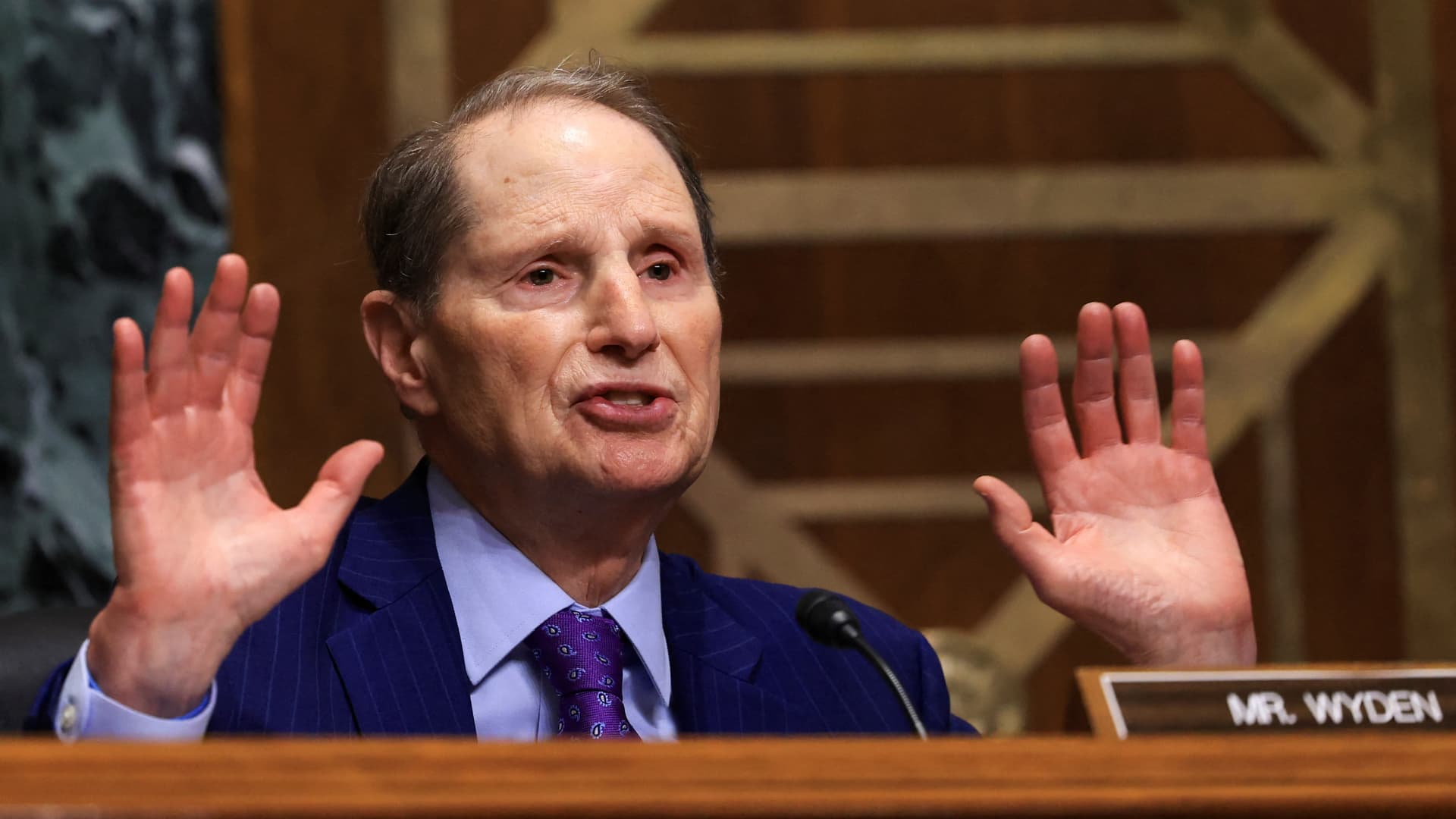
Three things to know about FISA Section 702: Congress passes short-term extension of controversial surveillance program

The law allows the U.S. government to surveil people outside the U.S., including when they're communicating with American citizens.

Raccontata dacnbc.combbc.com

Confronto fonti

2 prospettive sulla stessa storia
AI · summaries
cnbc.comStai leggendo2 mesi fa

Three things to know about FISA Section 702: Congress passes short-term extension of controversial…

The law allows the U.S. government to surveil people outside the U.S., including when they're communicating with American citizens.

originale
bbc.com2 mesi fa

US Congress temporarily extends Fisa. What does foreign intelligence law do?

Both Republicans and Democrats are pushing to reform the law, saying it allows "warrantless searches" of Americans' digital communications.

Leggi questa versione → originale

Timeline cronologica

  1. venerdì 17 aprile 2026·cnbc.com

    Three things to know about FISA Section 702: Congress passes short-term extension of controversial surveillance program

    The law allows the U.S. government to surveil people outside the U.S., including when they're communicating with American citizens.

  2. sabato 18 aprile 2026·bbc.com

    US Congress temporarily extends Fisa. What does foreign intelligence law do?

    Both Republicans and Democrats are pushing to reform the law, saying it allows "warrantless searches" of Americans' digital communications.