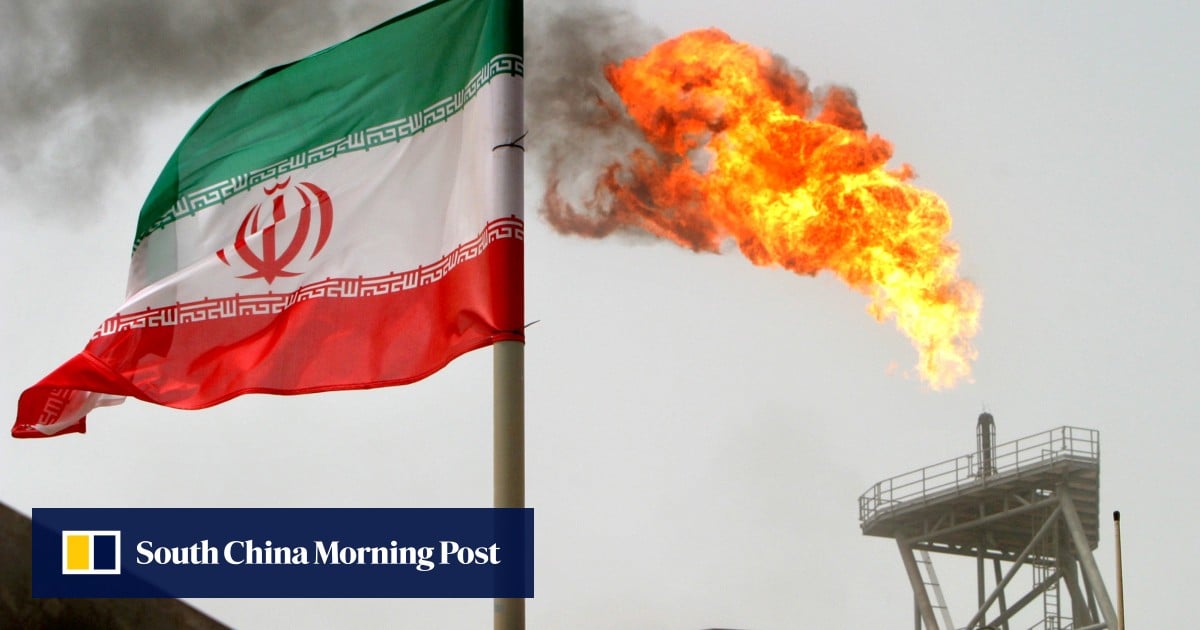
Speculation has been circulating that Washington’s aim is to force Beijing to put pressure on Tehran to strike a peace deal.

The threat from the president has left global markets in another period of uncertainty, with questions over how the blockade will be enforced

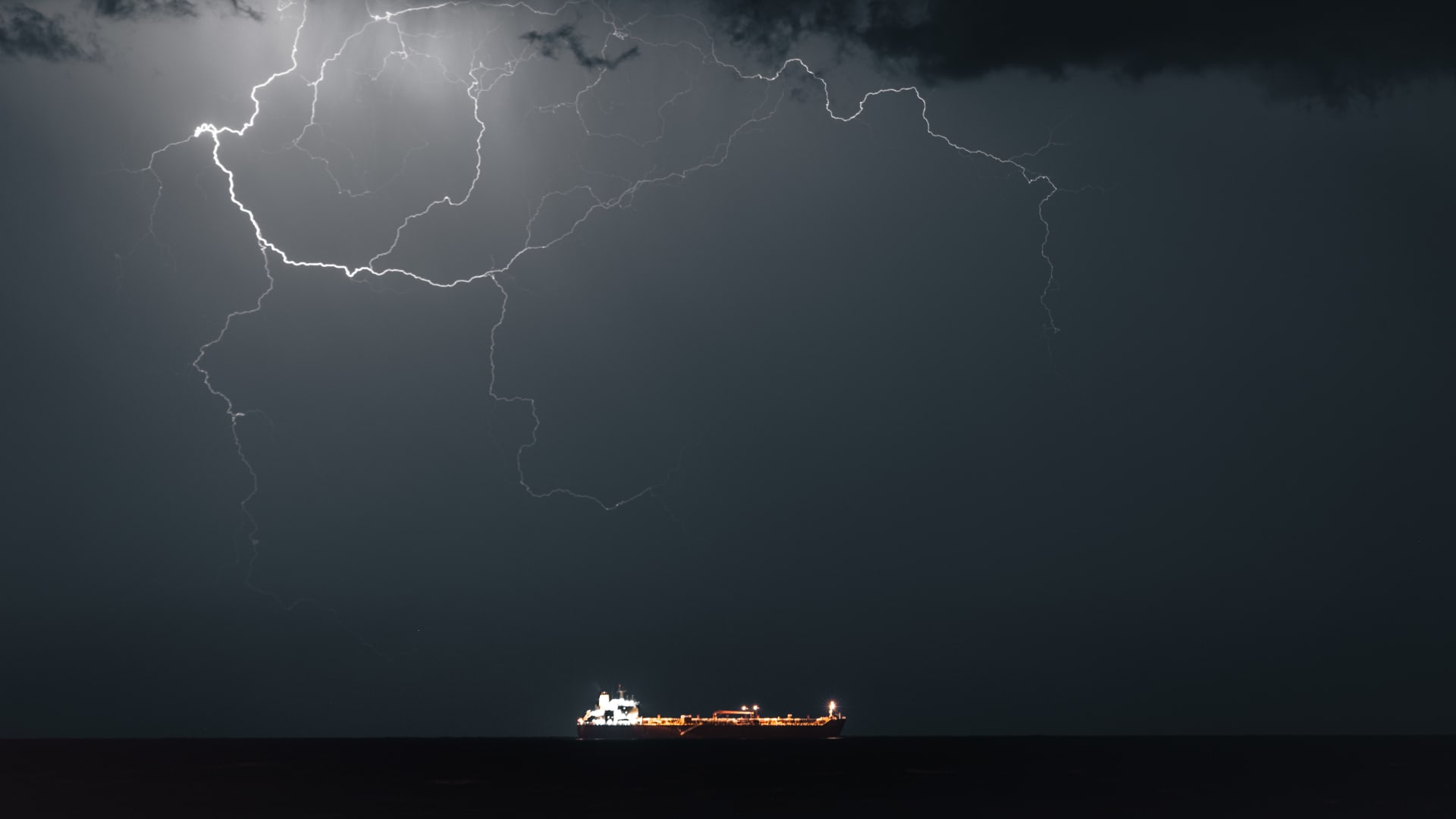
The U.S. naval blockade of the Strait of Hormuz threatens to halt more tanker traffic, sending oil surging and risks drawing China into a widening confrontation with Washington.
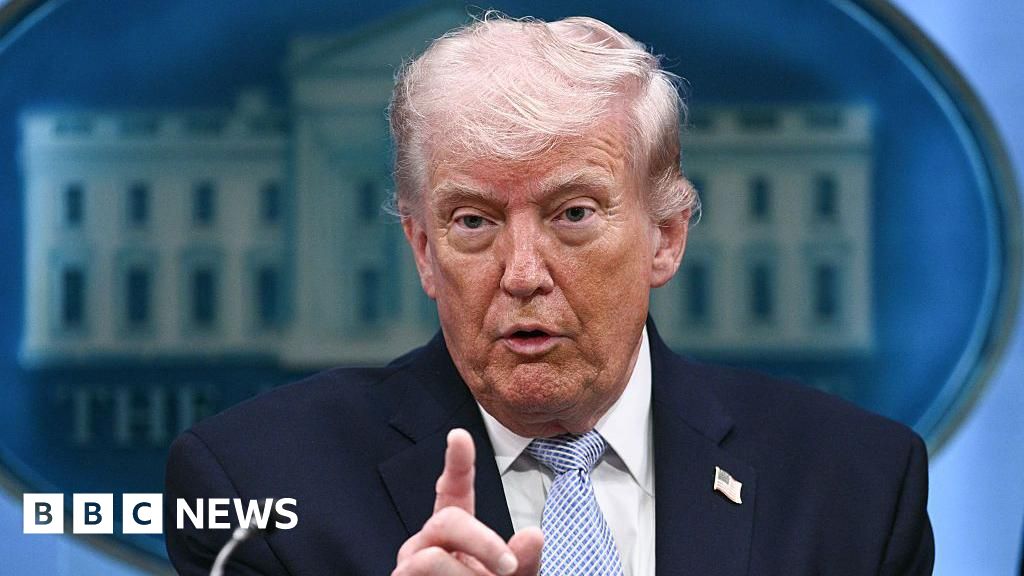
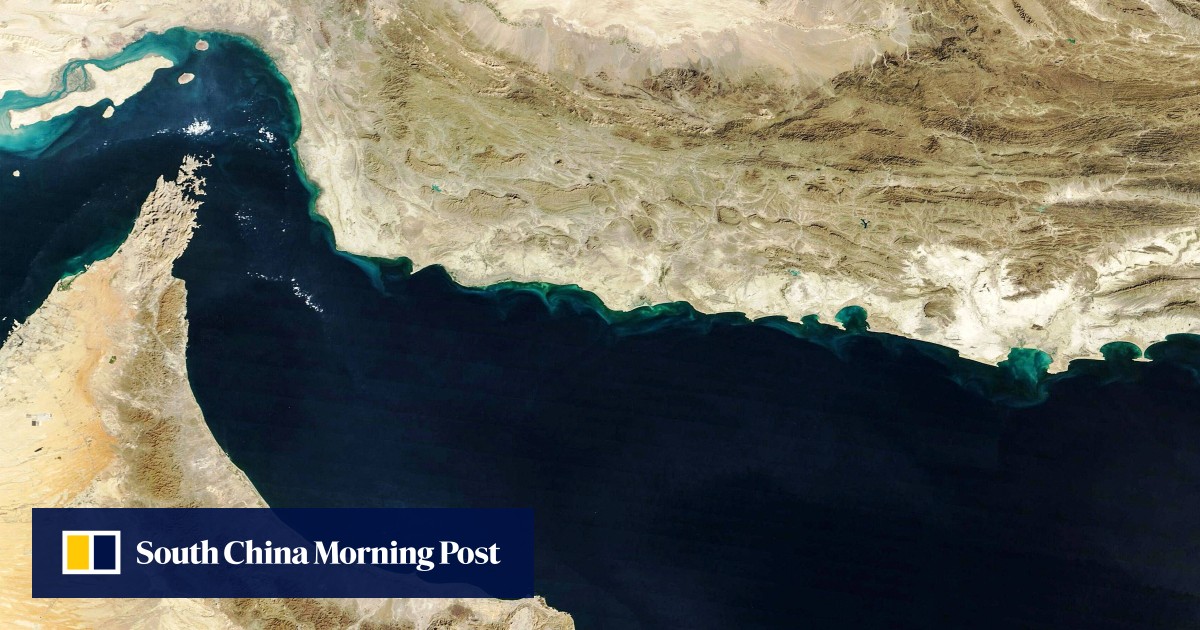
Donald Trump says that the US is going to start blockading the Strait of Hormuz. What does this mean in practice?

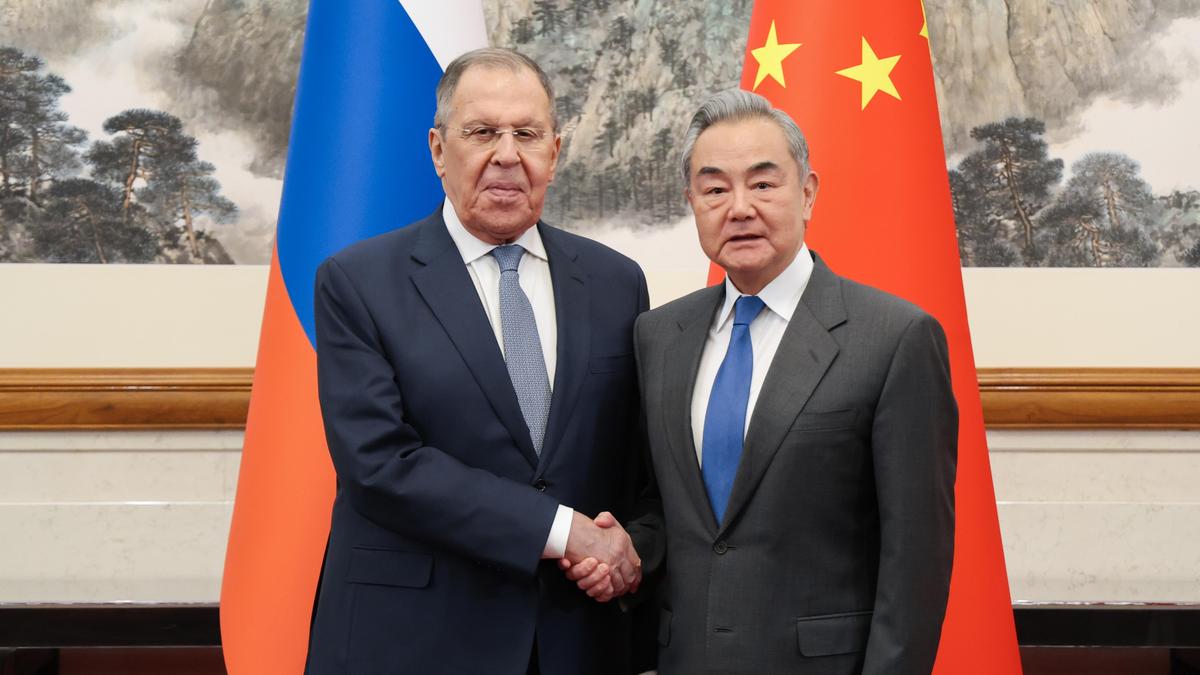
Beijing’s foreign ministry denies that China plans to provide weapons and military tech to Iran.

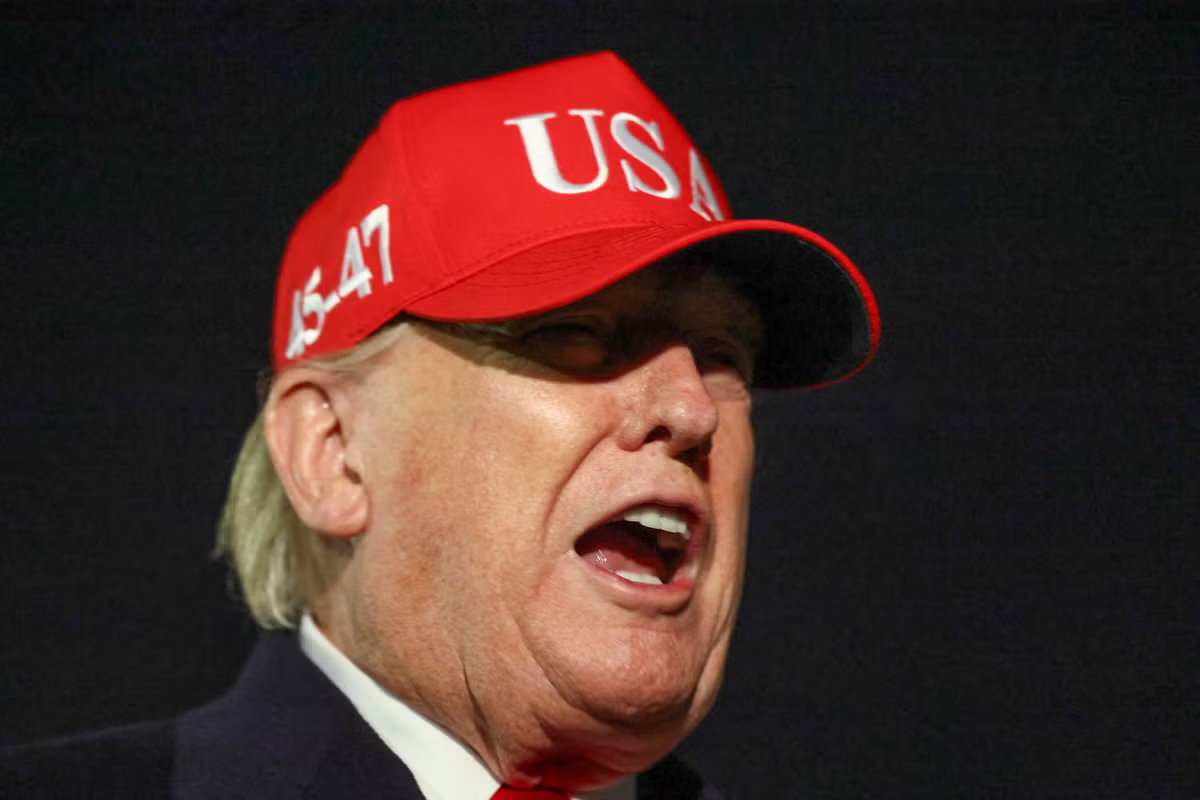
Trump says Beijing ‘would like to see this ended’ as the US moves to stop vessels transiting to and from Iranian ports.

Trump’s threats to the Strait of Hormuz will make America a pirate nation and risk conflict with China, making Beijing seem like the grown-ups, explains world affairs editor Sam…

China, the biggest buyer of Iranian oil, says the US naval blockade undermines an "already fragile ceasefire".

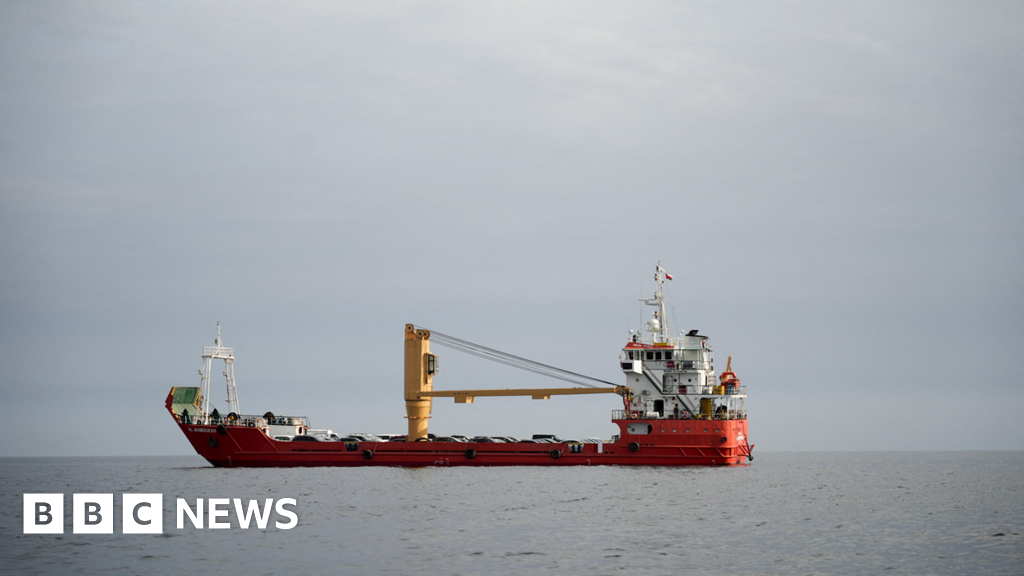
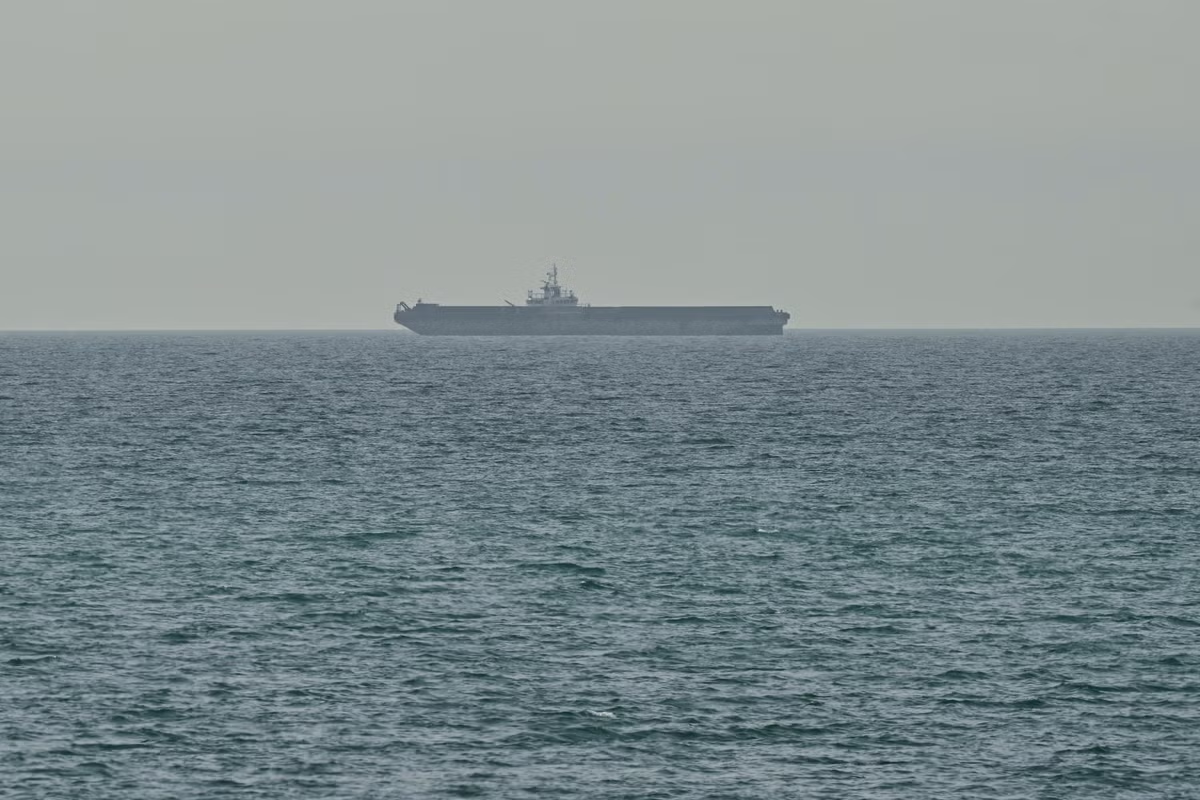
The US blockade of ships using Iranian ports has come into force but several Iran-linked tankers have passed through the strait of Hormuz since it began. Lucy Hough speaks to the…

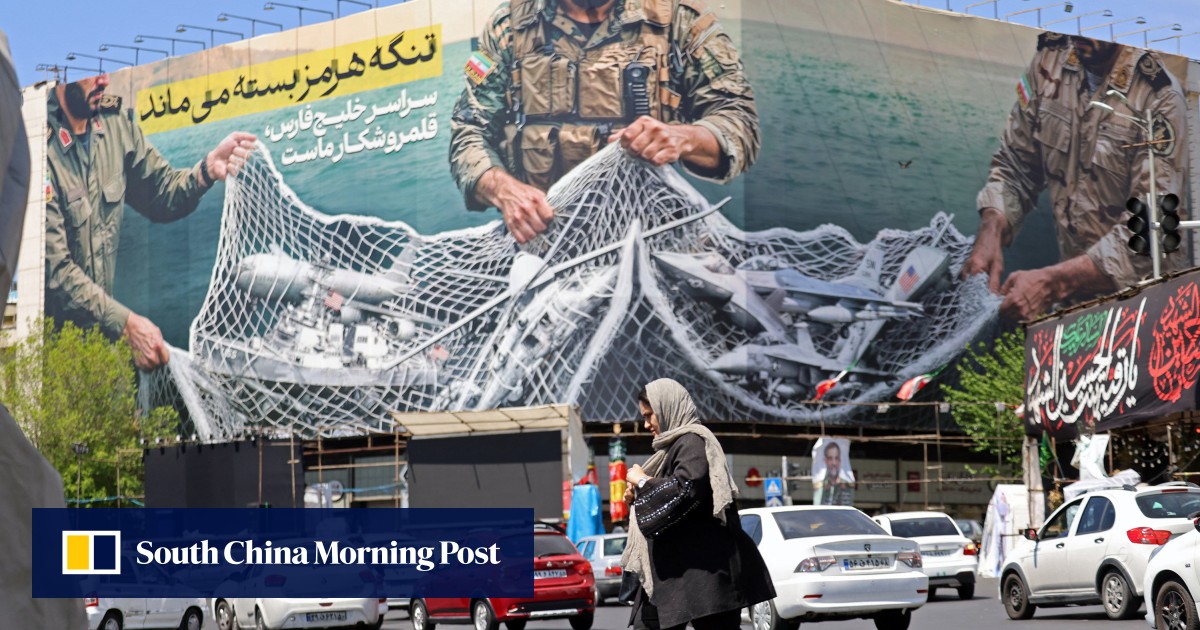
China criticises the U.S. blockade of the Strait of Hormuz as dangerous, denying military aid to Iran and threatening retaliation.

If Iran concedes to the US blockade of its oil exports, it could signal that Tehran sees a bigger ceasefire deal is at hand

Speculation has been circulating that Washington’s aim is to force Beijing to put pressure on Tehran to strike a peace deal.

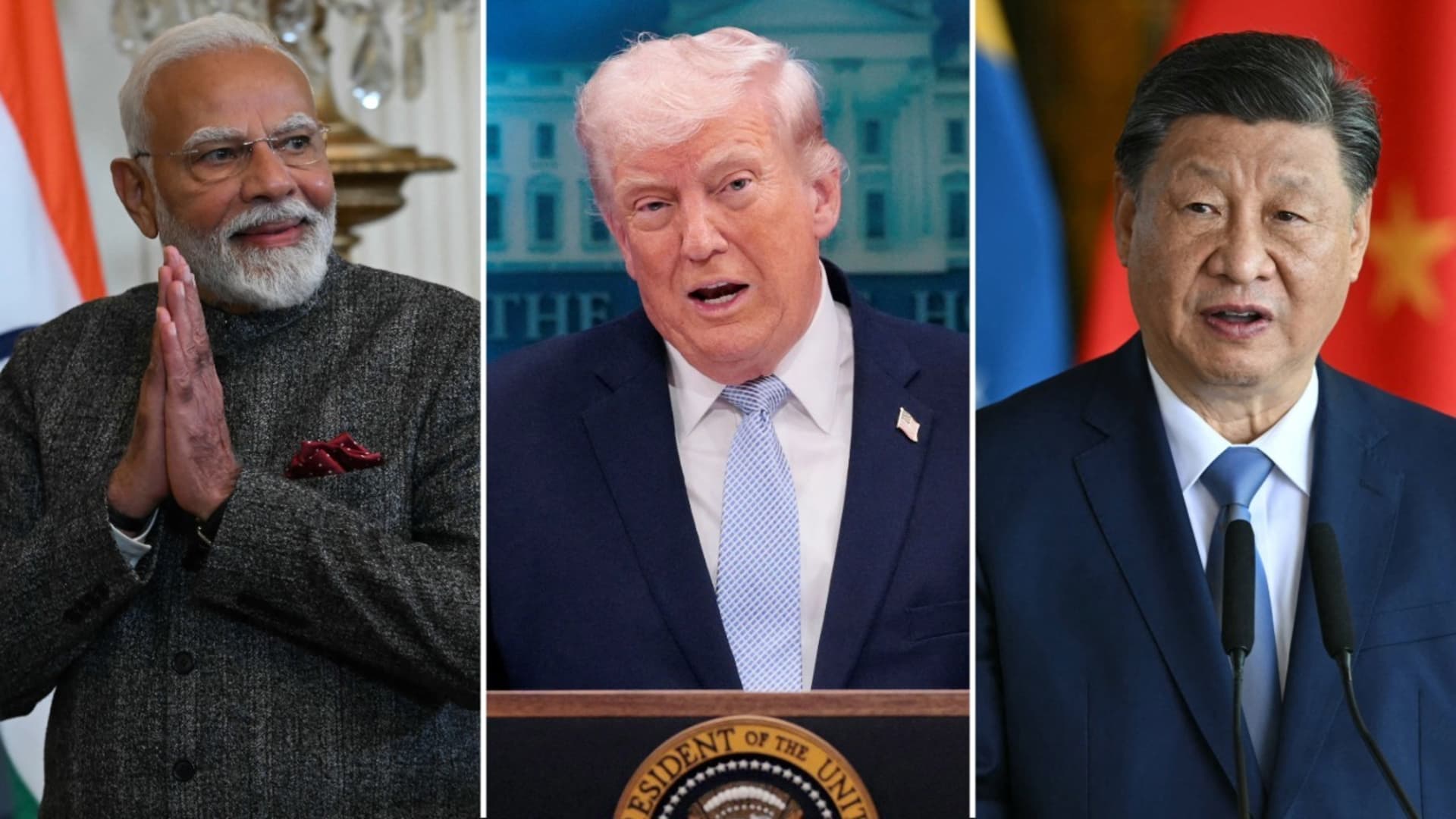
The U.S. blockade of the Strait of Hormuz risks ratcheting up pressure on two of its most consequential relationships in Asia — India and China.

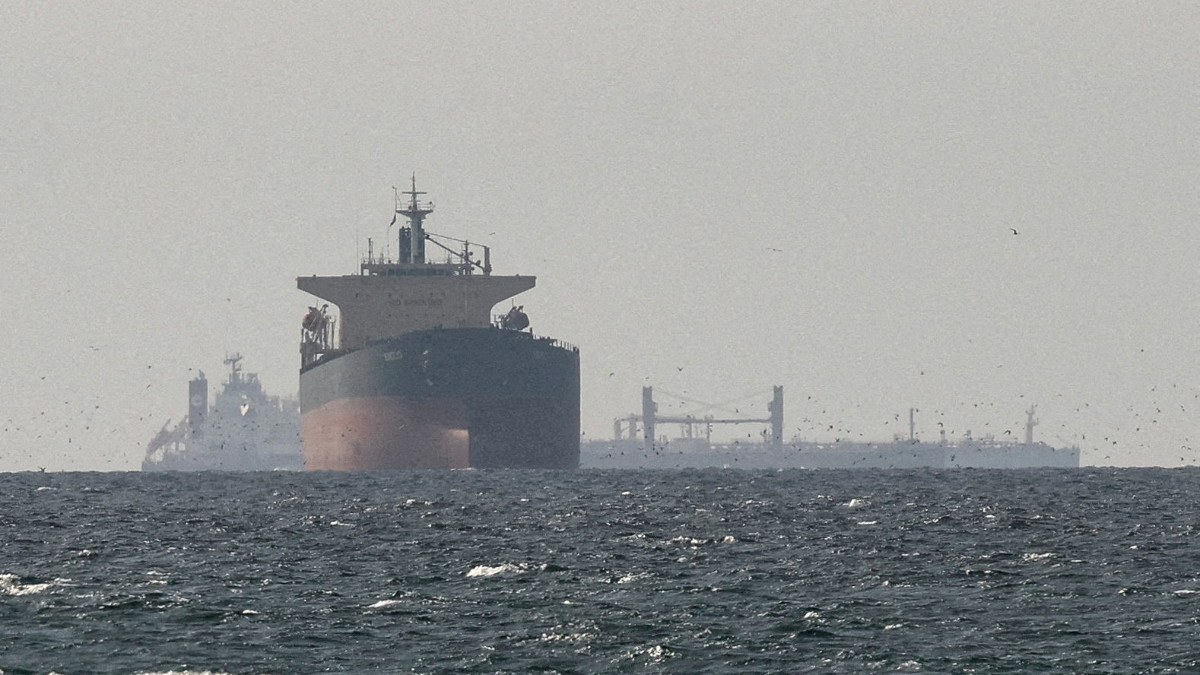
Analysts say that Iran has already moved vast quantities of its oil offshore and a full blockade would be complex to implement