Home
Storia in 3 fonti
CNBC Daily Open: Trump goes from opening the Strait of Hormuz to blockading it
The failed peace talks left investors on edge with little visibility on how the blockade will be implemented, and how long and deep an oil shock needs to be priced in.
- ·
huffpost.com
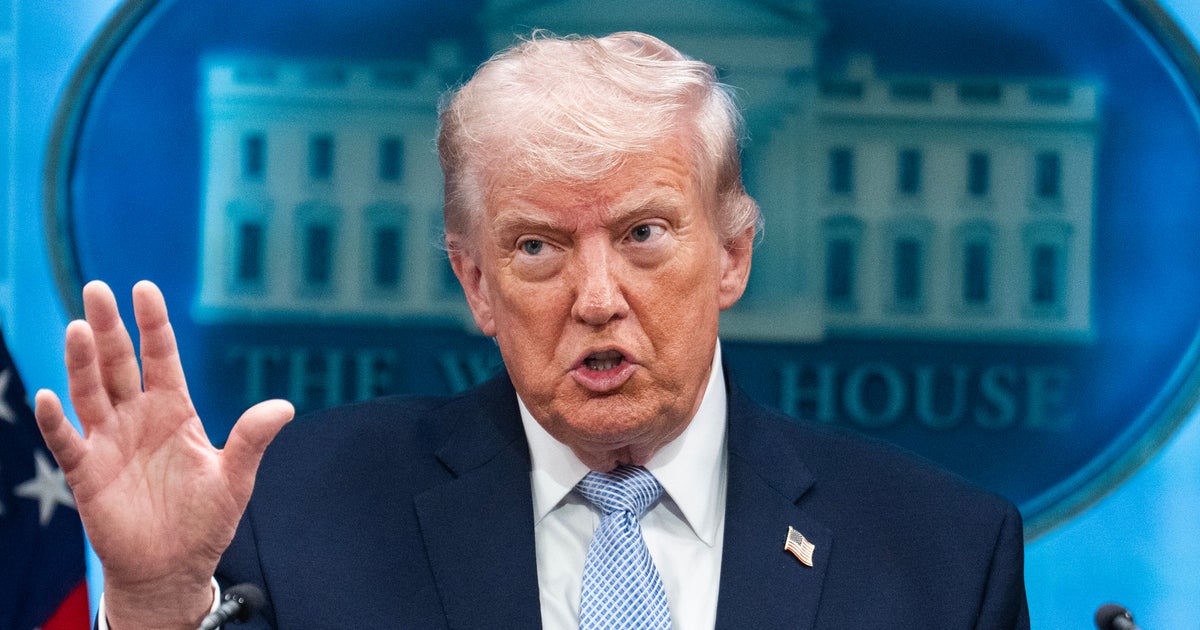
Trump Announces Blockade Of Strait Of Hormuz, Warns U.S. Ready To 'Finish Up' Iran After Failed Talks
The president said the U.S. was ready to "finish up" Iran at the “appropriate moment," stressing that Tehran's nuclear ambitions were at the core of the failure to end the war.
- ·
cnbc.com
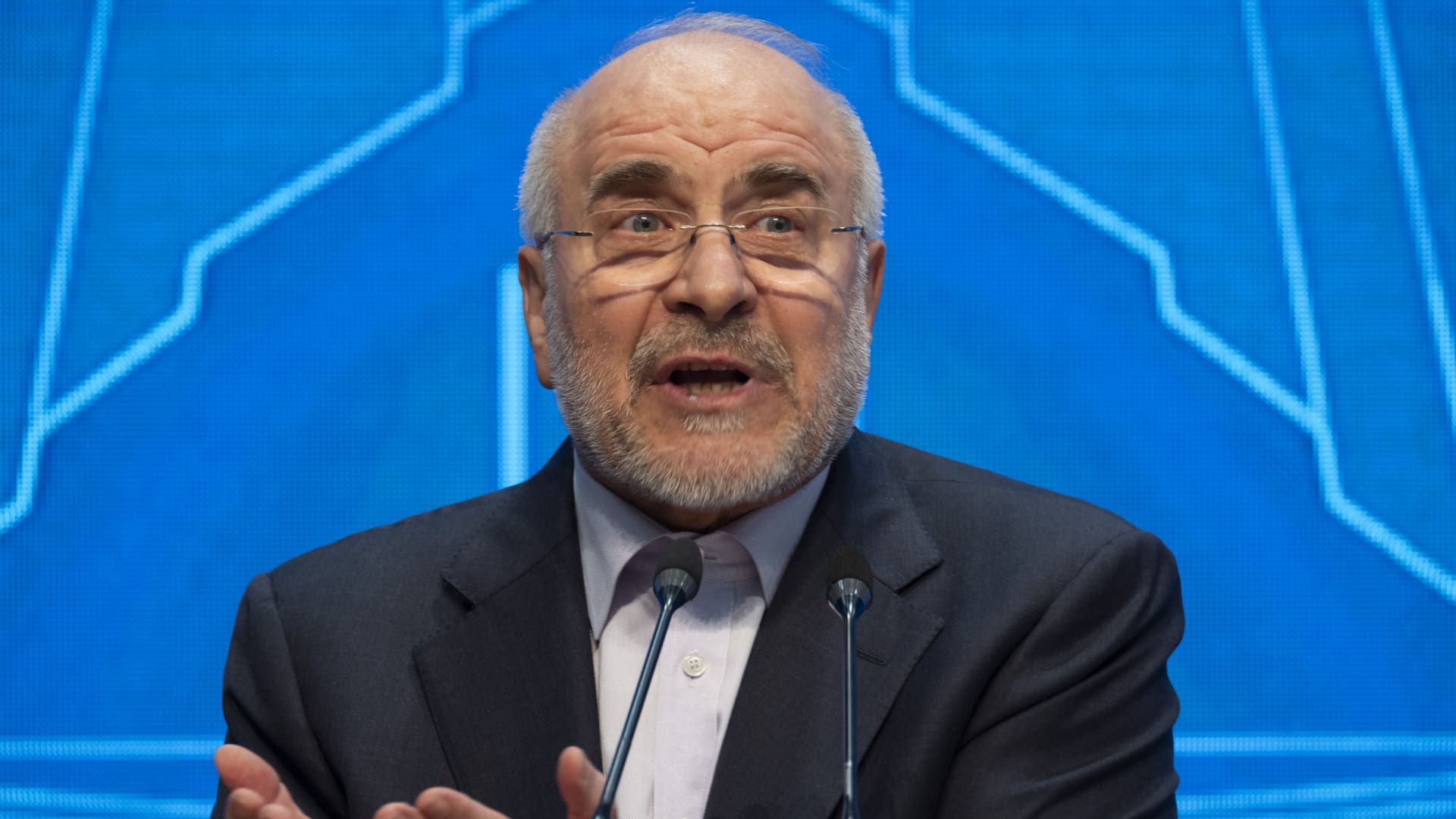
CNBC Daily Open: Trump goes from opening the Strait of Hormuz to blockading it
The failed peace talks left investors on edge with little visibility on how the blockade will be implemented, and how long and deep an oil shock needs to be priced in.
- ·
theguardian.com
Strait of Hormuz blockade explained: why is Trump threatening it now and will it increase the price of oil?
The threat from the president has left global markets in another period of uncertainty, with questions over how the blockade will be enforced
- ·
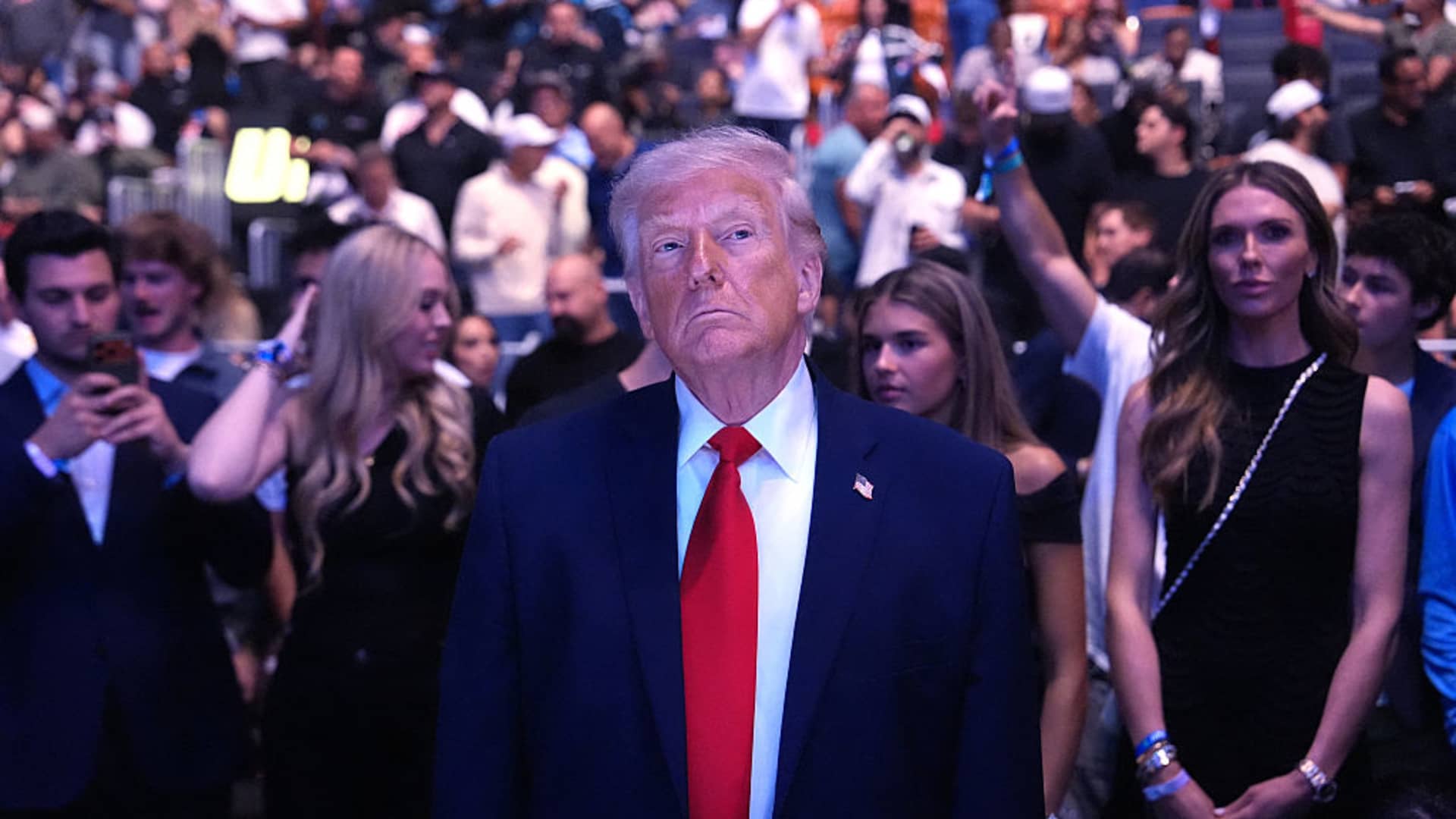
CNBC Daily Open: Trump lashes out at Iran and the Pope
Failed negotiations with Iran lead U.S. President Trump to announce a blockade of the Strait of Hormuz.
- ·
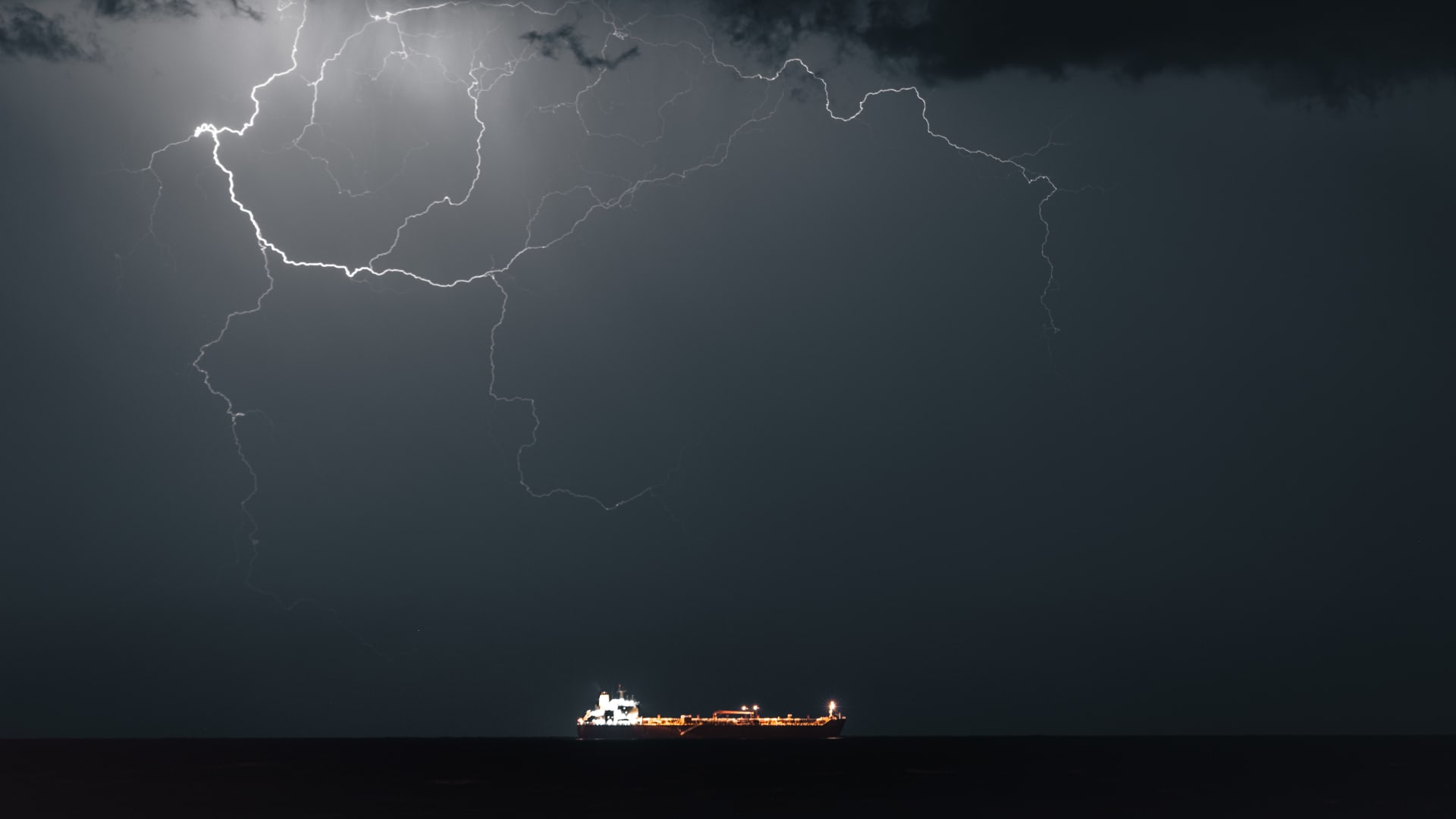
Hormuz blockade could deepen world’s worst energy crisis — and risk a dangerous misstep
The U.S. naval blockade of the Strait of Hormuz threatens to halt more tanker traffic, sending oil surging and risks drawing China into a widening confrontation with Washington.
- ·
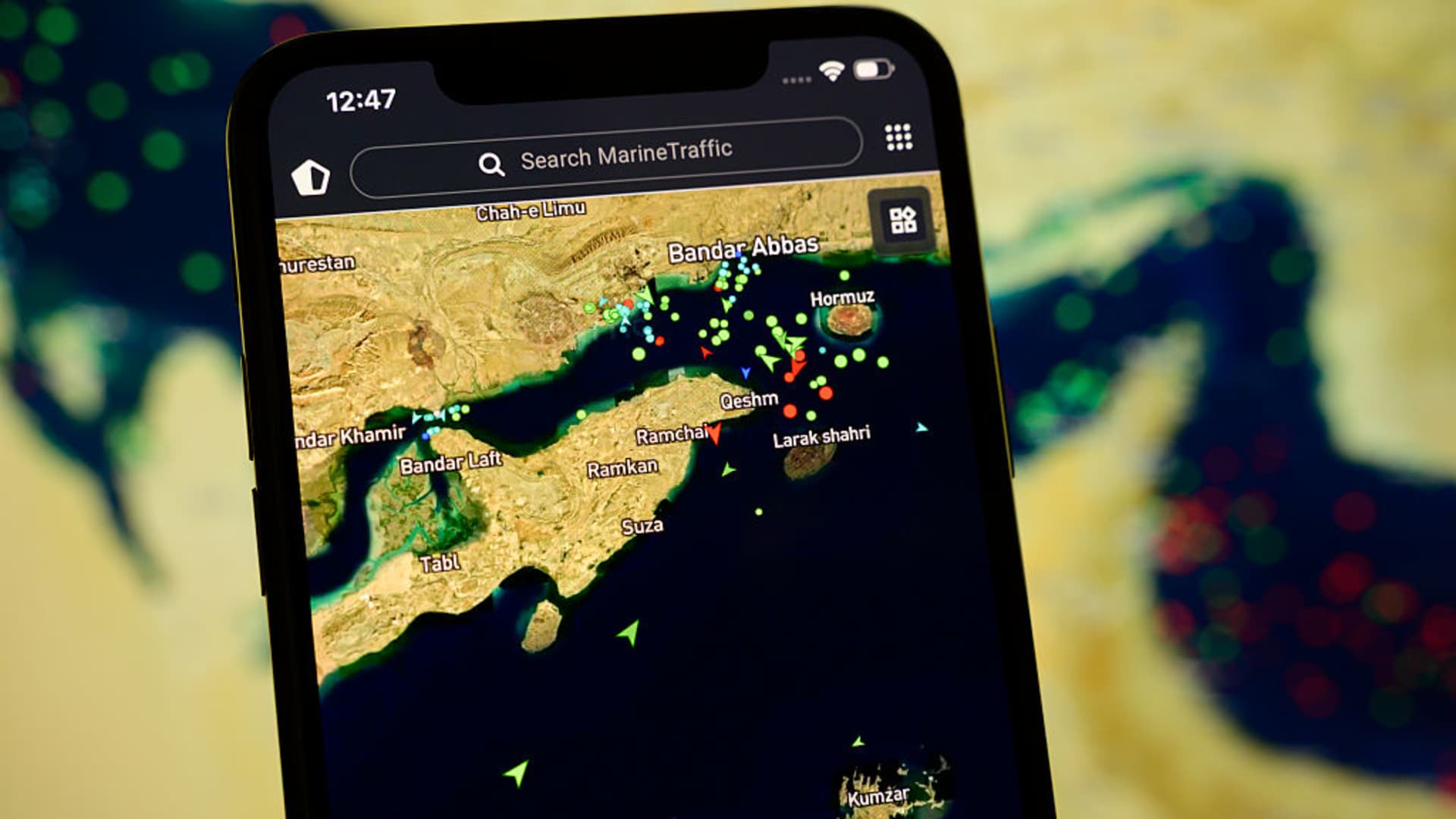
U.S. blockade of Strait of Hormuz set to begin
The U.S. blockade, set to begin at 10 a.m. ET, will apply to "any and all Ships trying to enter, or leave, the Strait of Hormuz," President Donald Trump said.
- ·
CNBC Daily Open: Markets bet on a U.S.-Iran deal amid Hormuz blockade
The U.S. blockade in the Strait of Hormuz risks deepening the energy shock, but markets are shrugging it off amid optimism for a deal.