HomeAI · summaries
Storia in 2 fonti
Marine map appears to show Strait of Hormuz at a standstill
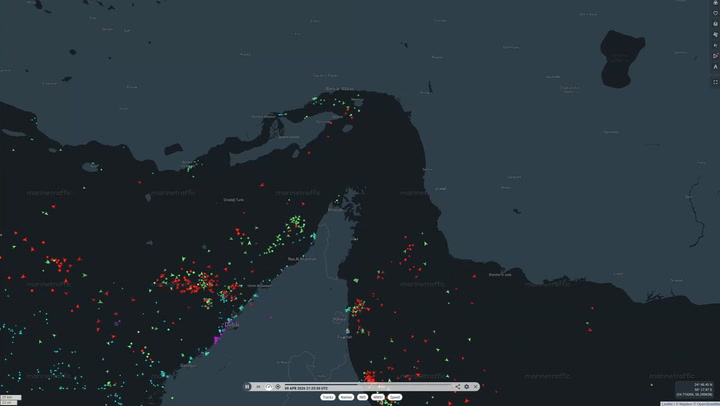
A marine traffic map shows the Strait of Hormuz at a standstill more than 48 hours after President Donald Trump announced a two-week ceasefire conditional on Iran reopening the waterway. Automatic identification system (AIS) data on MarineTraffic.com appears to show traffic through the critical chokepoint has barely moved between 11:01 UTC (12:00 PM BST) on 9 April and 11:00 UTC (12:00 PM BST) on 10 April. The strait, through which about 20% of the world’s oil normally passes, has been effectively blocked since the Iran-US war began in late February, causing oil prices to surge and raising energy and agricultural costs worldwide.
Confronto fonti
2 prospettive sulla stessa storiaTimeline cronologica
- ·
independent.co.uk
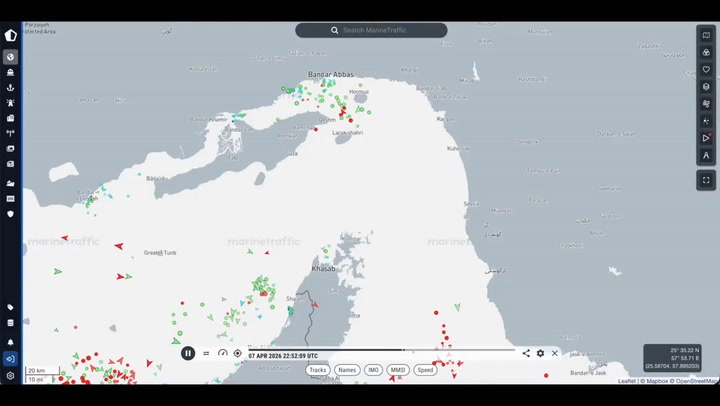
Watch: Ships begin moving through Strait of Hormuz after US and Iran agree ceasefire
Ships have begun passing through the Strait of Hormuz again after the US and Iran announced a two-week ceasefire. On Tuesday (7 April), Donald Trump announced that attacks will be…
- ·
cnbc.com

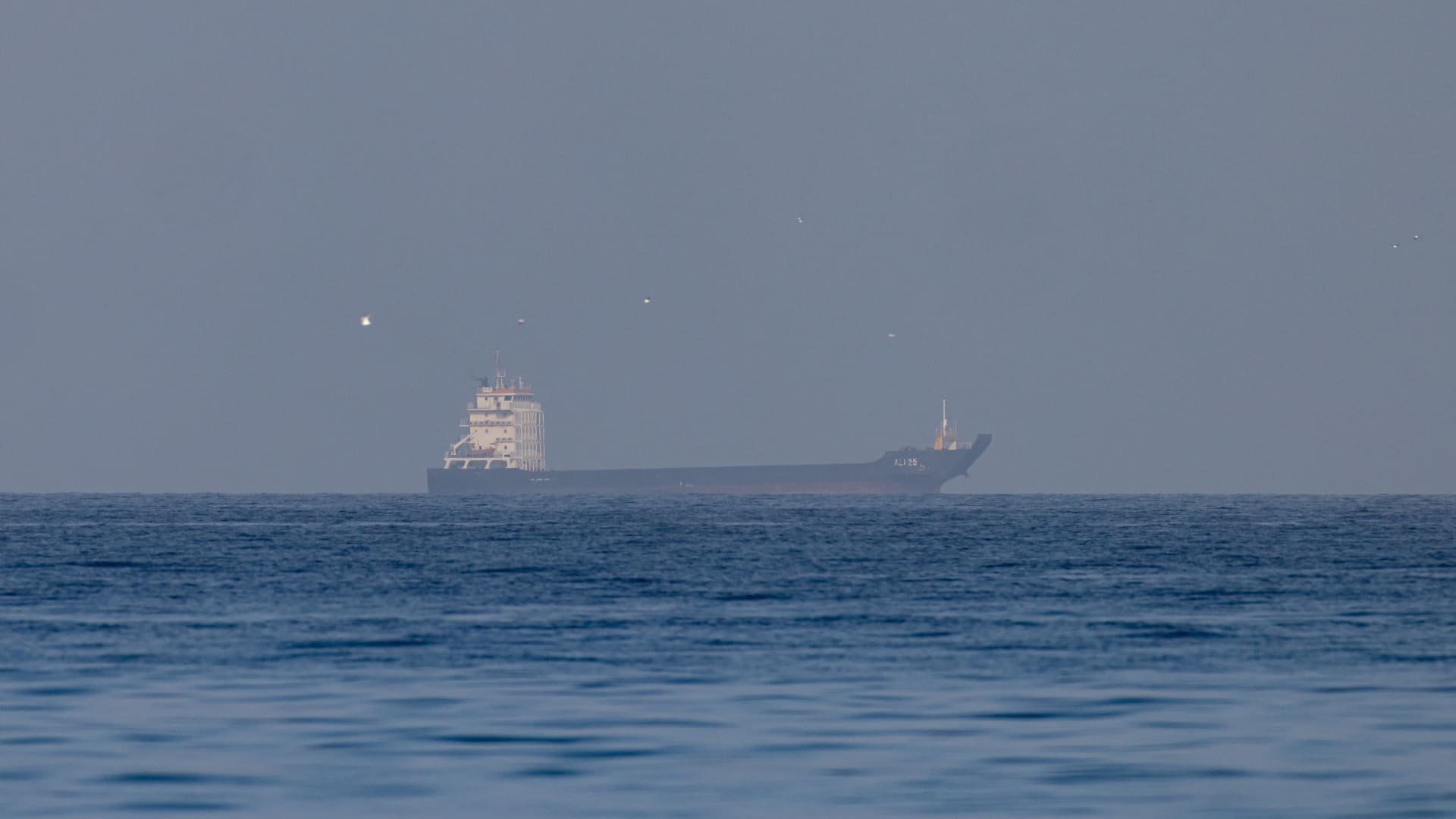
First ships pass Strait of Hormuz since Trump-Iran ceasefire, but traffic remains low amid confusion
Iran is reportedly planning to demand that shipping firms pay tolls in cryptocurrency to let their oil tankers through the Strait of Hormuz.