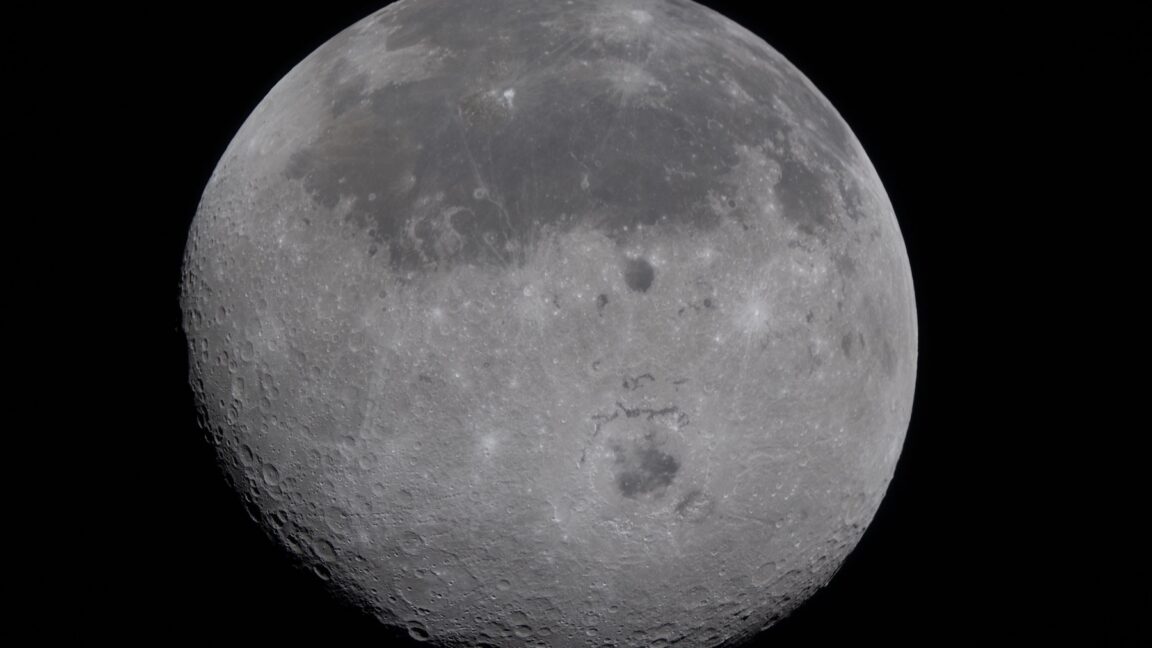
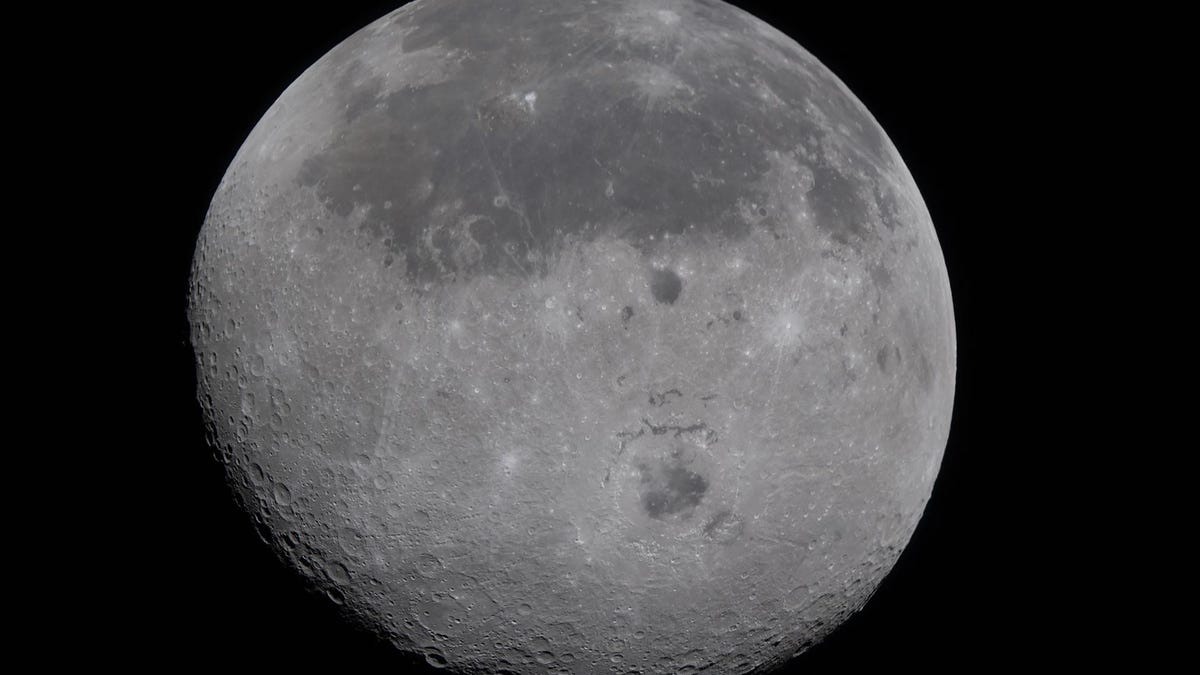
Without negating the history of the moment, when on Monday (April 6) the fresh eyes of four astronauts catch sight of the up-close moon, it will take a bit longer before the rest of us on Earth are able to see what the Artemis II crew saw at the same clarity.

The cabin was colder on Thursday, but the crew has been able to adjust the temperature.

The moon is not just a barren rock orbiting the Earth. The Artemis missions could answer the great unknowns that the satellite holds.
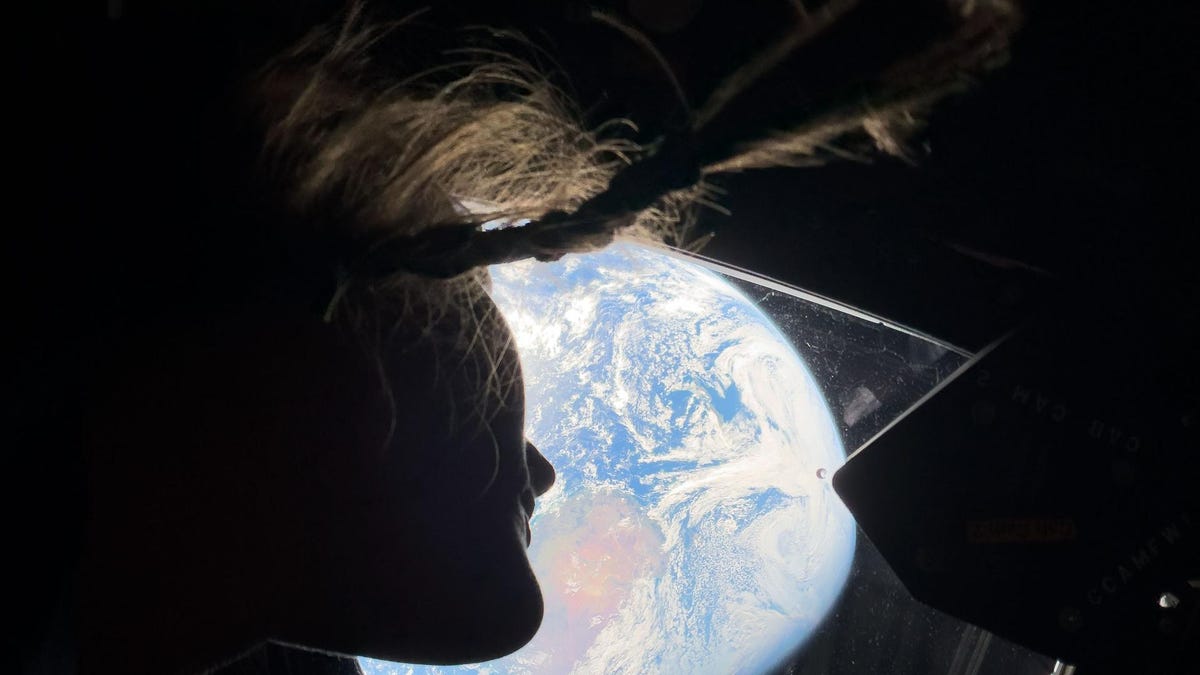
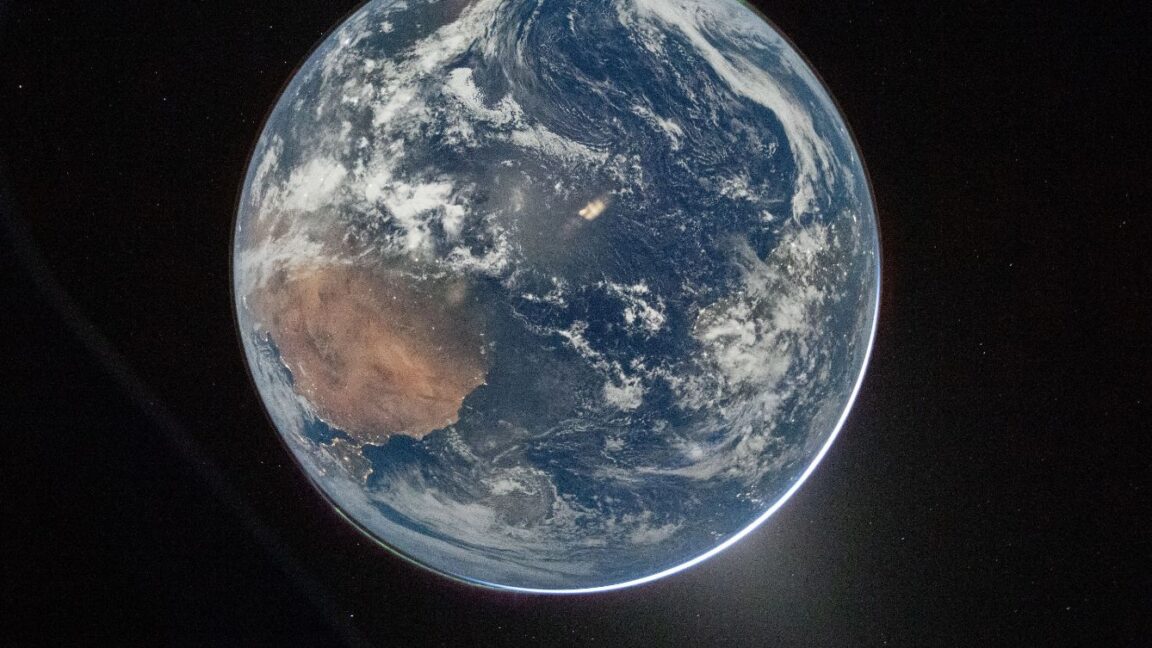
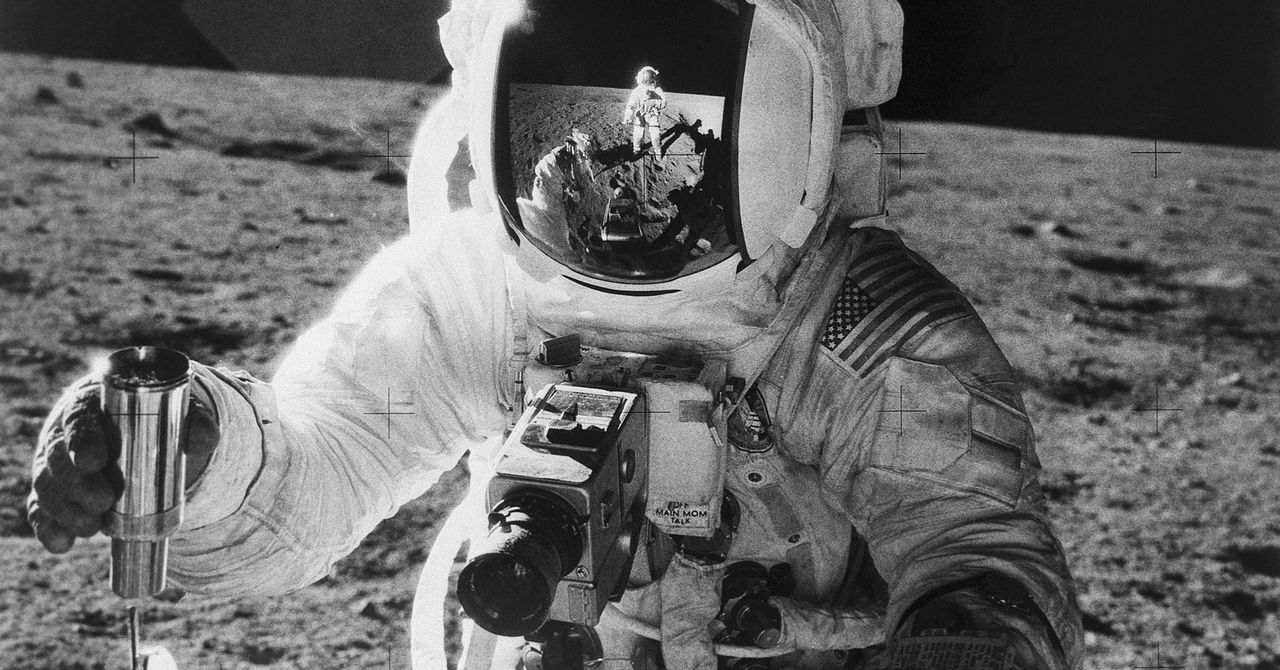
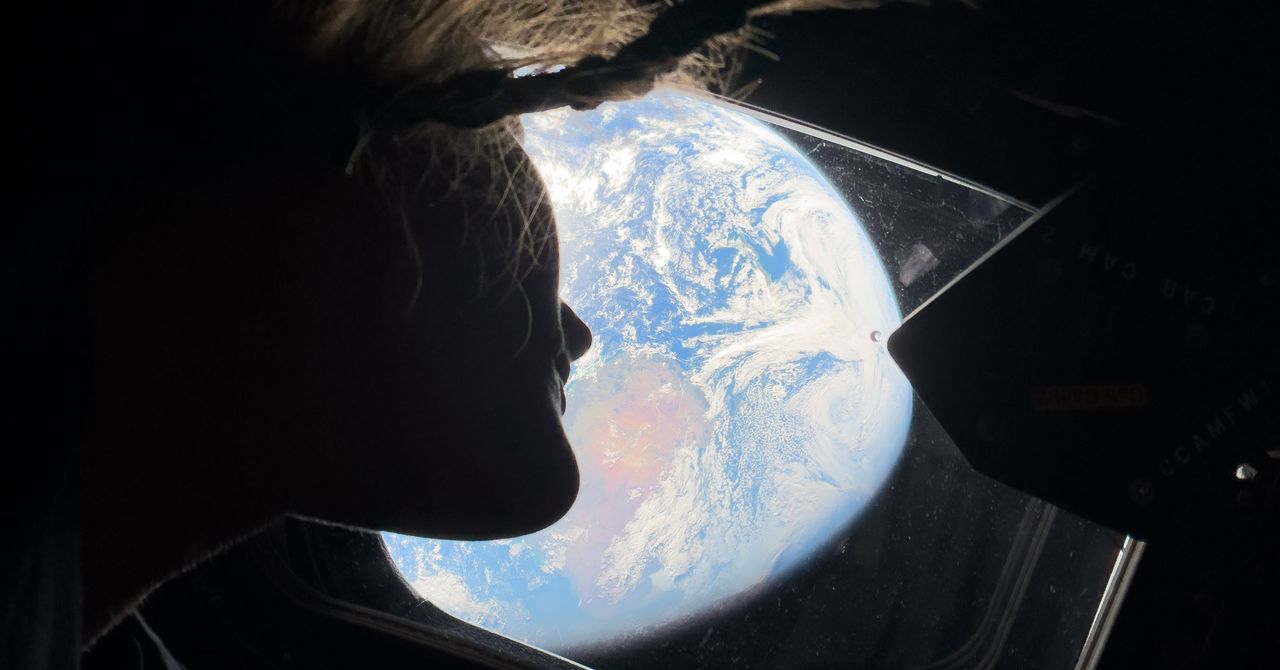
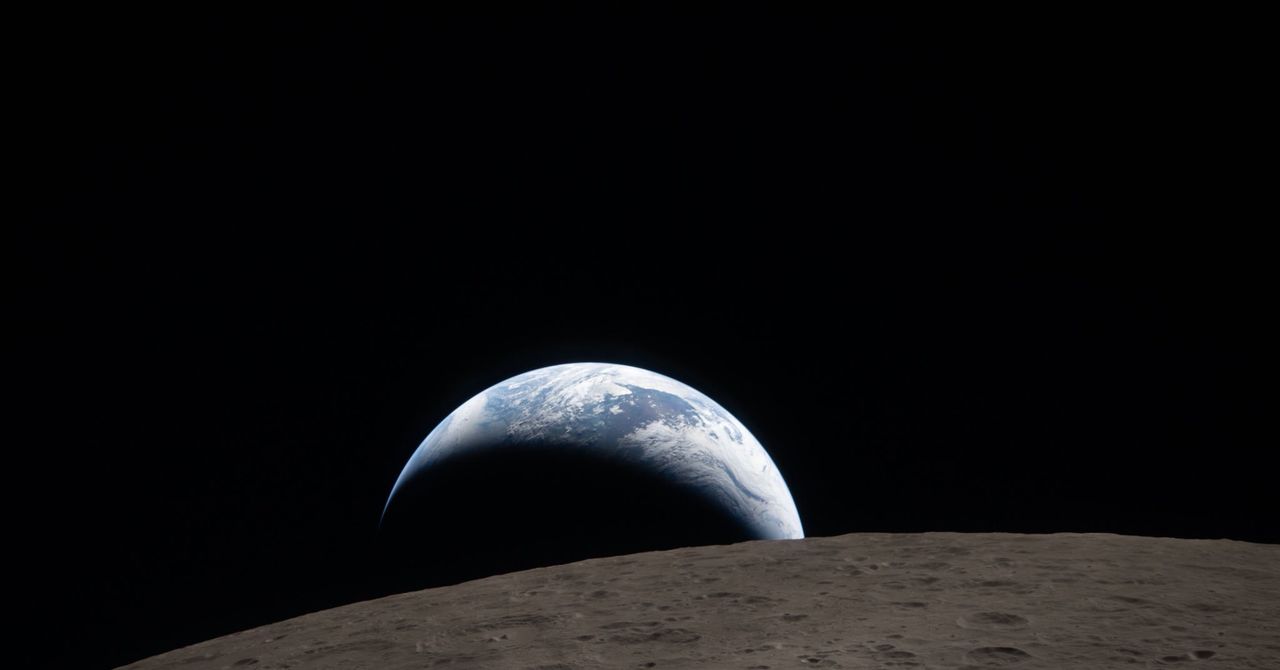
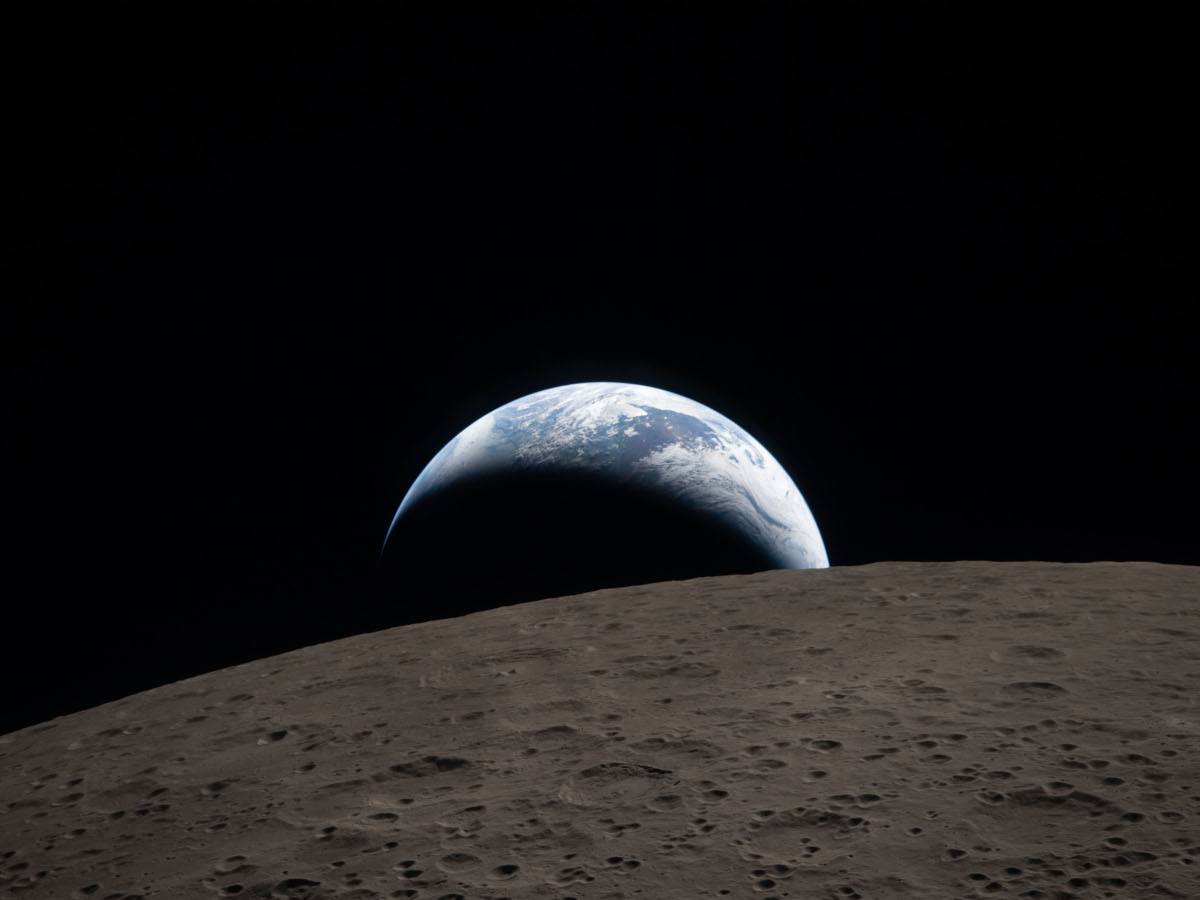
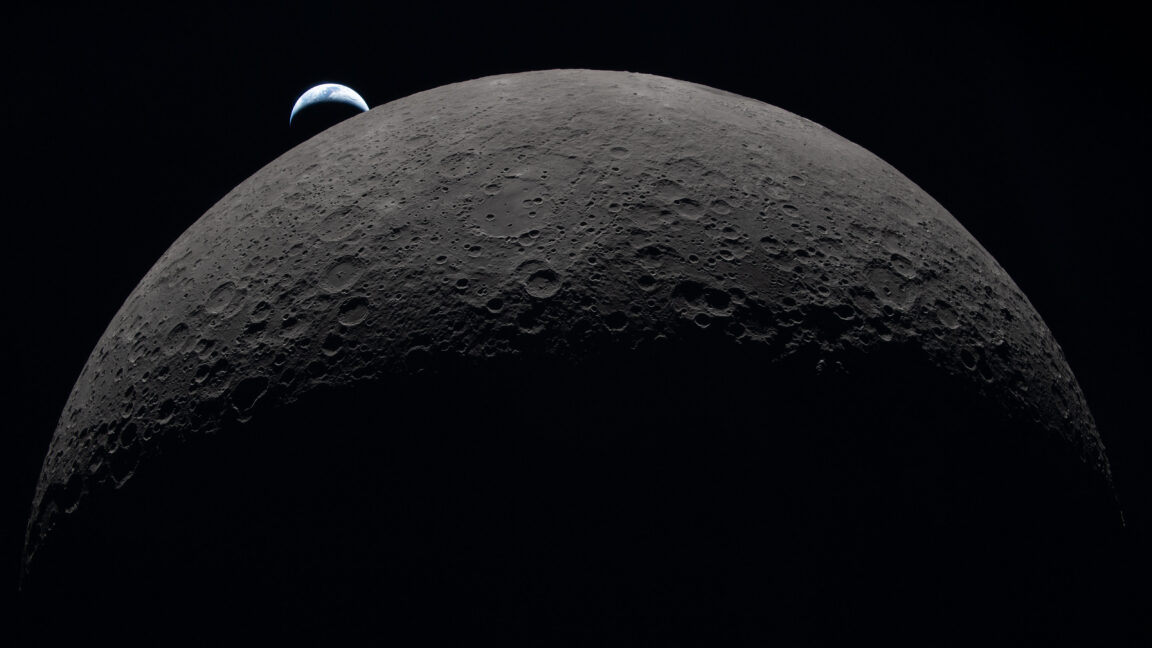
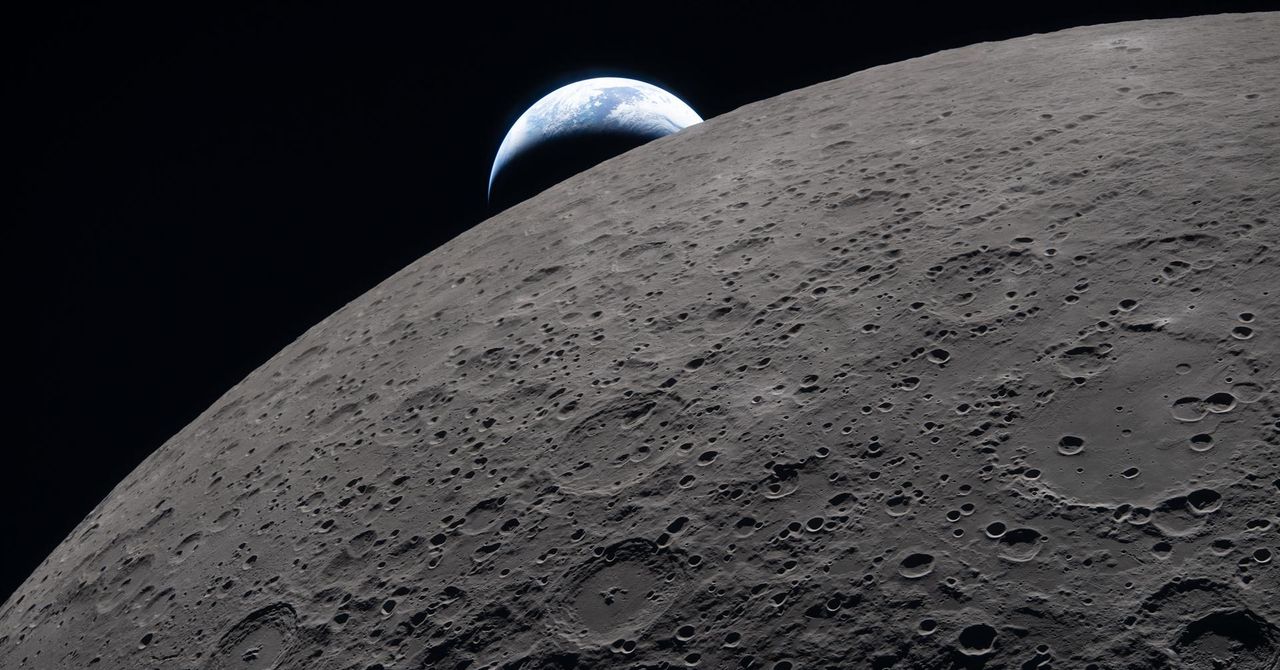
More breathtaking images released over the weekend from NASA's Artemis II mission show both the moon and Earth in all its cosmic glory. Take a look.

Without negating the history of the moment, when on Monday (April 6) the fresh eyes of four astronauts catch sight of the up-close moon, it will take a bit longer before the rest…

Without negating the history of the moment, when on Monday (April 6) the fresh eyes of four astronauts catch sight of the up-close moon, it will take a bit longer before the rest…

Artemis II remains on course for its lunar flyby as the crew shares historic photos of Earth, tests key systems for future lunar missions, and attempts to fix the toilet.

Humans have probably not evolved to see what we’re seeing. It is truly hard to describe. It is amazing."

Crew members of Artemis II set a distance record for humanity on April 6 as they flew beyond the lunar surface while over 250,000 miles from Earth.

The Moon, the Earth, and the Sun; oh what fun!

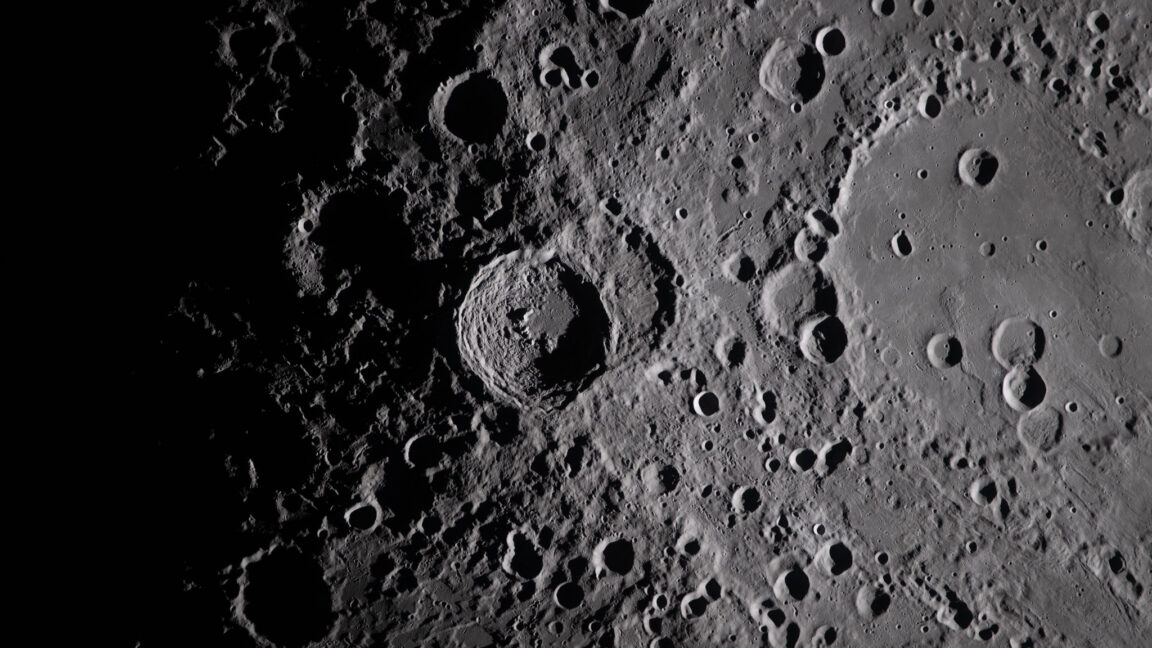
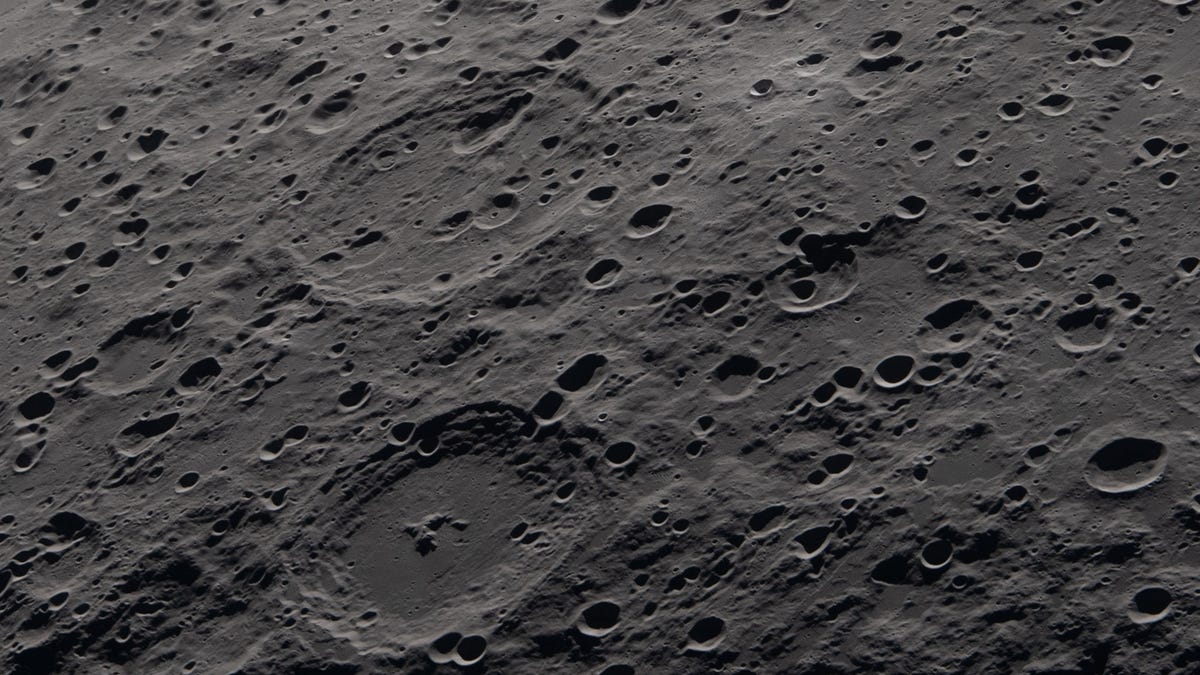
The first images from Artemis II reveal what the moon looks like just 7,000 km from the surface—and confirm that NASA is ready to return to Earth’s satellite.

Extreme close-ups of Artemis photos reveal the moon’s rugged texture, from crater rims to ancient scars etched into lunar rock.

From ancient lunar lava to personal tributes, new images from the Artemis II space mission capture fresh perspectives of our celestial neighbour.

I think the biggest value here is the PR. I mean, it's getting the public excited."

The moon gets hit by space debris all the time, but some of it is so large that the impact generates light that can be seen thousands of kilometers away.