WARPTECHNEWS · LAB
HomeAIBusinessTechArchive
WARPTECH LAB NEWS

Warptech Lab News aggrega le notizie più rilevanti da oltre 700 fonti internazionali, con classificazione AI, TL;DR sintetici e timeline cluster su singole storie.

Navigazione

  • Home
  • Archivio
  • Editor's Brief
  • Cerca
  • Il tuo account
  • Newsletter tech/AI

Informazioni legali

  • Privacy Policy
  • Termini di servizio
  • Cookie Policy

© 2026 Sparktech S.R.L. — Tutti i diritti riservati. Sito gestito e manutenuto da Sparktech S.R.L.

Sede legale: Corso Libertà 55, 13100 Vercelli (VC), Italia · P.IVA / C.F. 02835910023 · Contatti: admin@warptechlab.com

Home
Storia in 2 fonti

The Iran war has put the brakes on the next Bank of England rate cut

Before the war in Iran erupted, the Bank of England was widely predicted to be set to cut interest rates in March or April. Don't count on it, economists say.

Raccontata datheguardian.comcnbc.com

Confronto fonti

2 prospettive sulla stessa storia
AI · summaries
cnbc.comStai leggendo3 mesi fa

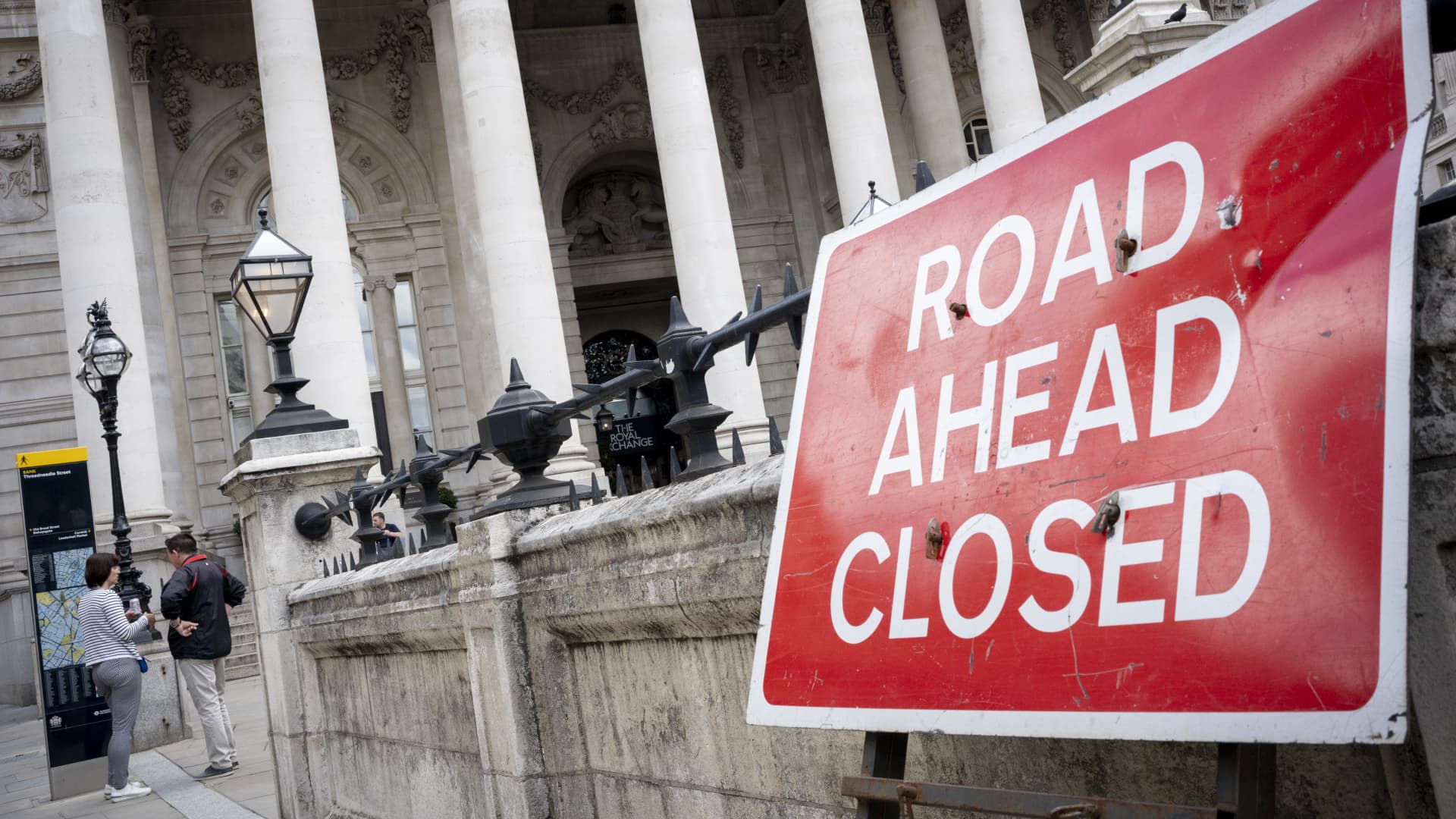
The Iran war has put the brakes on the next Bank of England rate cut

Before the war in Iran erupted, the Bank of England was widely predicted to be set to cut interest rates in March or April. Don't count on it, economists say.

originale
theguardian.com3 mesi fa

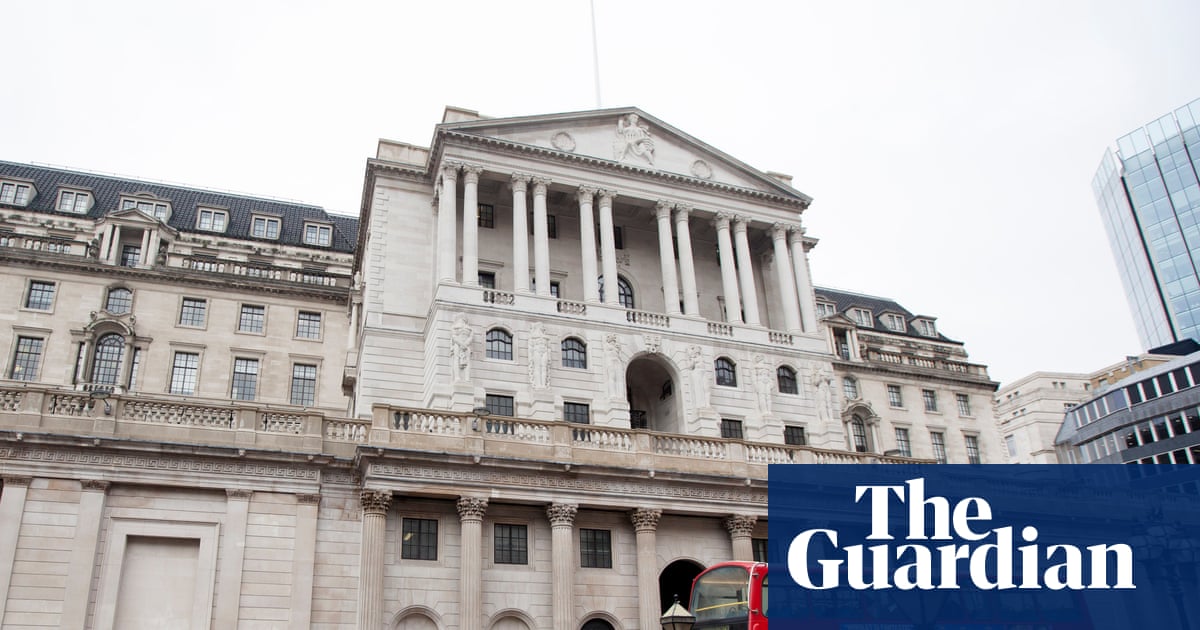
UK interest rate cuts unlikely this year amid Iran war – and a rise could be ahead

Markets predict Bank of England will hold rates in 2026 as bond yields soar on forecasts of prolonged conflict

Leggi questa versione → originale

Timeline cronologica

  1. lunedì 9 marzo 2026·theguardian.com

    UK interest rate cuts unlikely this year amid Iran war – and a rise could be ahead

    Markets predict Bank of England will hold rates in 2026 as bond yields soar on forecasts of prolonged conflict

  2. lunedì 9 marzo 2026·cnbc.com

    The Iran war has put the brakes on the next Bank of England rate cut

    Before the war in Iran erupted, the Bank of England was widely predicted to be set to cut interest rates in March or April. Don't count on it, economists say.