WARPTECHNEWS · LAB
HomeAIBusinessTechArchive
WARPTECH LAB NEWS

Warptech Lab News aggrega le notizie più rilevanti da oltre 700 fonti internazionali, con classificazione AI, TL;DR sintetici e timeline cluster su singole storie.

Navigazione

  • Home
  • Archivio
  • Editor's Brief
  • Cerca
  • Il tuo account
  • Newsletter tech/AI

Informazioni legali

  • Privacy Policy
  • Termini di servizio
  • Cookie Policy

© 2026 Sparktech S.R.L. — Tutti i diritti riservati. Sito gestito e manutenuto da Sparktech S.R.L.

Sede legale: Corso Libertà 55, 13100 Vercelli (VC), Italia · P.IVA / C.F. 02835910023 · Contatti: admin@warptechlab.com

Home
Storia in 2 fonti

Google unveils AI that can predict how DNA mutations cause disease

‘This could add another piece of the puzzle for the discovery of drug targets and ultimately, the development of new drugs,’ says research engineer, Natasha Latysheva

Raccontata daindependent.co.uktheguardian.com

Confronto fonti

2 prospettive sulla stessa storia
AI · summaries
independent.co.ukStai leggendo5 mesi fa

Google unveils AI that can predict how DNA mutations cause disease

‘This could add another piece of the puzzle for the discovery of drug targets and ultimately, the development of new drugs,’ says research engineer, Natasha Latysheva

originale
theguardian.com5 mesi fa

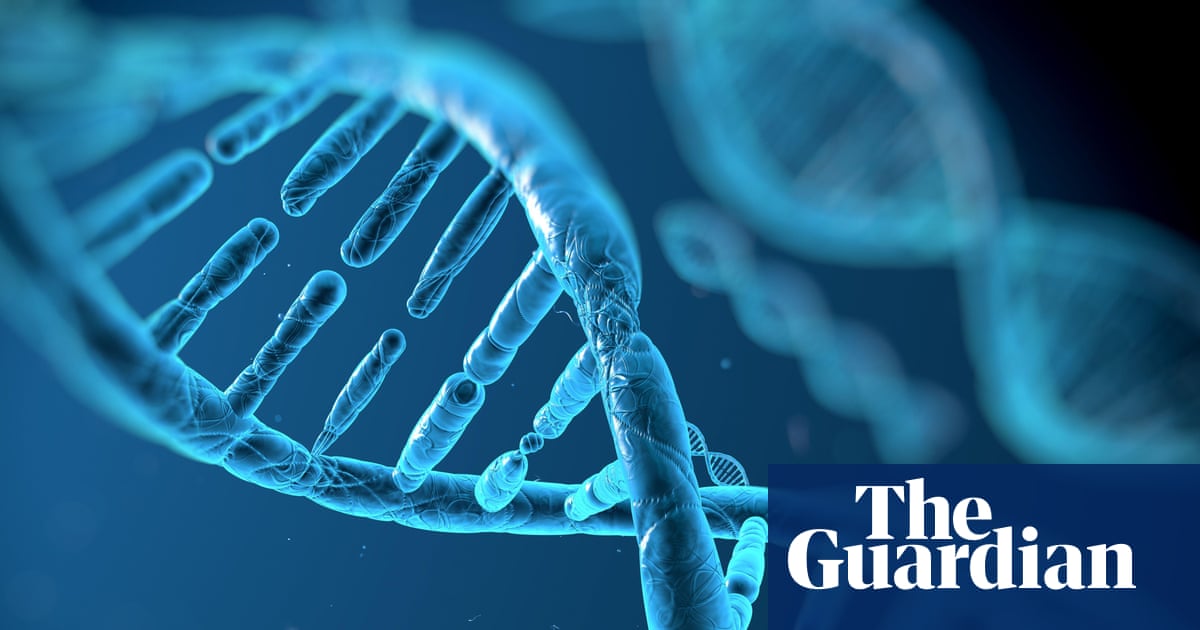
Google DeepMind launches AI tool to help identify genetic drivers of disease

AlphaGenome can analyse up to 1m letters of DNA code at once and could pave way for new treatments

Leggi questa versione → originale

Timeline cronologica

  1. mercoledì 28 gennaio 2026·independent.co.uk

    Google unveils AI that can predict how DNA mutations cause disease

    ‘This could add another piece of the puzzle for the discovery of drug targets and ultimately, the development of new drugs,’ says research engineer, Natasha Latysheva

  2. mercoledì 28 gennaio 2026·theguardian.com

    Google DeepMind launches AI tool to help identify genetic drivers of disease

    AlphaGenome can analyse up to 1m letters of DNA code at once and could pave way for new treatments