WARPTECHNEWS · LAB
HomeAIBusinessTechArchive
WARPTECH LAB NEWS

Warptech Lab News aggrega le notizie più rilevanti da oltre 700 fonti internazionali, con classificazione AI, TL;DR sintetici e timeline cluster su singole storie.

Navigazione

  • Home
  • Archivio
  • Editor's Brief
  • Cerca
  • Il tuo account
  • Newsletter tech/AI

Informazioni legali

  • Privacy Policy
  • Termini di servizio
  • Cookie Policy

© 2026 Sparktech S.R.L. — Tutti i diritti riservati. Sito gestito e manutenuto da Sparktech S.R.L.

Sede legale: Corso Libertà 55, 13100 Vercelli (VC), Italia · P.IVA / C.F. 02835910023 · Contatti: admin@warptechlab.com

Home
Storia in 2 fonti

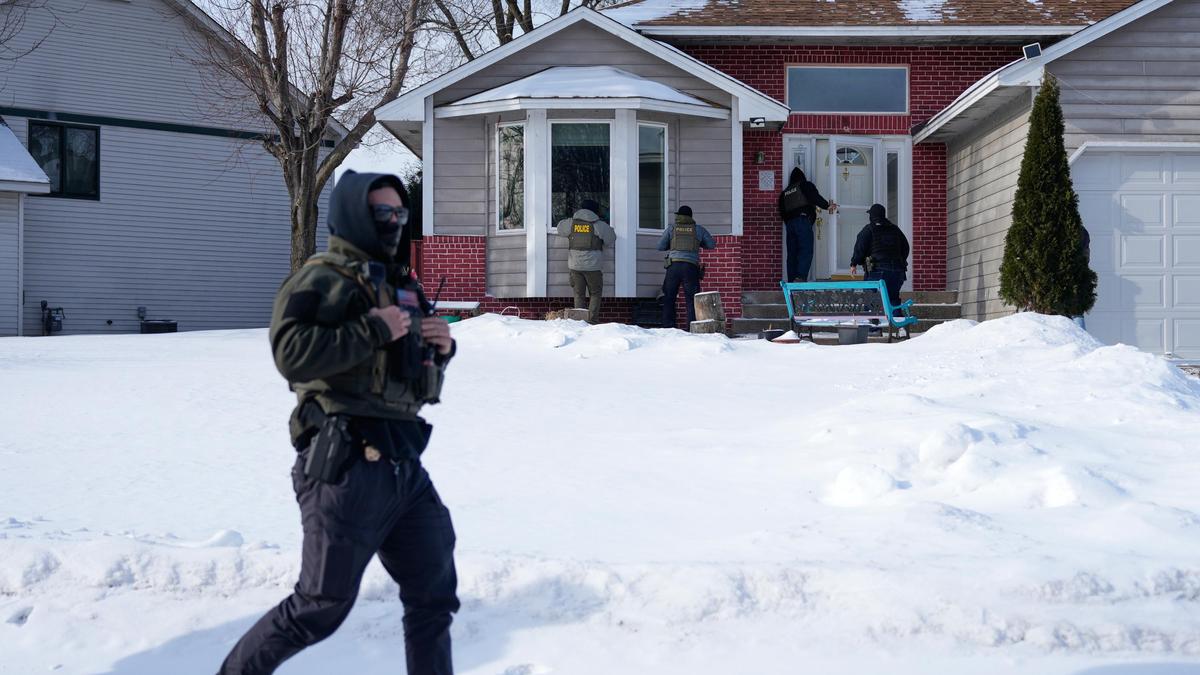
Vance Defends ICE Memo Authorizing Home Raids Without Judge’s Warrant

Critics say the memo, leaked by a whistleblower, potentially clashes with the Fourth Amendment, which protects people from unreasonable searches and seizures.

Raccontata dathehindu.comforbes.com

Confronto fonti

2 prospettive sulla stessa storia
AI · summaries
forbes.comStai leggendo5 mesi fa

Vance Defends ICE Memo Authorizing Home Raids Without Judge’s Warrant

Critics say the memo, leaked by a whistleblower, potentially clashes with the Fourth Amendment, which protects people from unreasonable searches and seizures.

originale
thehindu.com5 mesi fa

Immigration officers assert sweeping power to enter homes without Judge’s warrant, says memo

ICE memo permits officers to forcibly enter homes without a judge's warrant, raising constitutional concerns and advocacy backlash.

Leggi questa versione → originale

Timeline cronologica

  1. giovedì 22 gennaio 2026·thehindu.com

    Immigration officers assert sweeping power to enter homes without Judge’s warrant, says memo

    ICE memo permits officers to forcibly enter homes without a judge's warrant, raising constitutional concerns and advocacy backlash.

  2. giovedì 22 gennaio 2026·forbes.com

    Vance Defends ICE Memo Authorizing Home Raids Without Judge’s Warrant

    Critics say the memo, leaked by a whistleblower, potentially clashes with the Fourth Amendment, which protects people from unreasonable searches and seizures.