The market is already 80% of the way to a full bubble, he said.

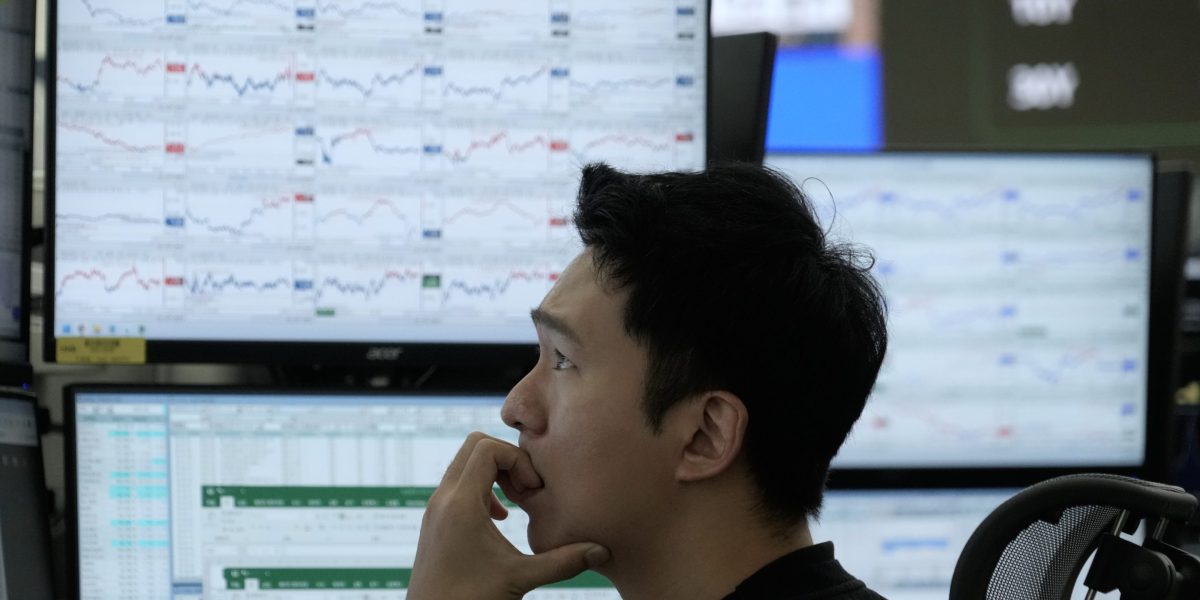
Benchmarks in Tokyo and Seoul sank more than 3%, after Nvidia and other AI-related shares pulled U.S. stocks lower.

A historic capex surge, thin AI revenues, and extreme index concentration leave investors one disappointment away from a broad‑based equity shock.

Company set to beat Wall Street expectations but analysts await projections for future demand for firm’s AI chips

As OpenAI and Big Tech powerhouses buy more and more Nvidia chips, annual revenue has gone from $27 billion in 2022 to a projected $208 billion this year.

Analysts agree that Nvidia's earnings are a clear signal of of strong demand for AI infrastructure. Less clear, however, is whether the results can dispel fears of an AI bubble in…

The market is already 80% of the way to a full bubble, he said.

Leading US stock markets tumble less than 24 hours after strong results from chipmaker Nvidia sparked gains

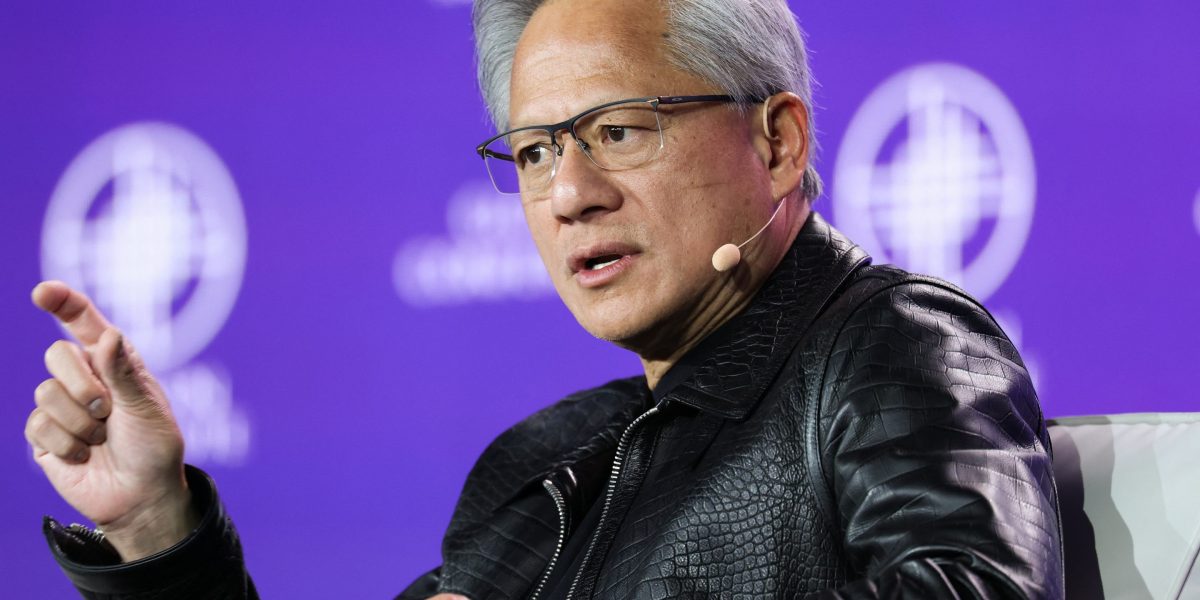
Nvidia CEO Jensen Huang's rejection of the AI bubble narrative seemed to reassured investors initially, but their concerns couldn't be repressed for long.

Nvidia’s blowout earnings call—which came in way above expectations—simply wasn’t good enough to persuade traders that AI is overcooked.

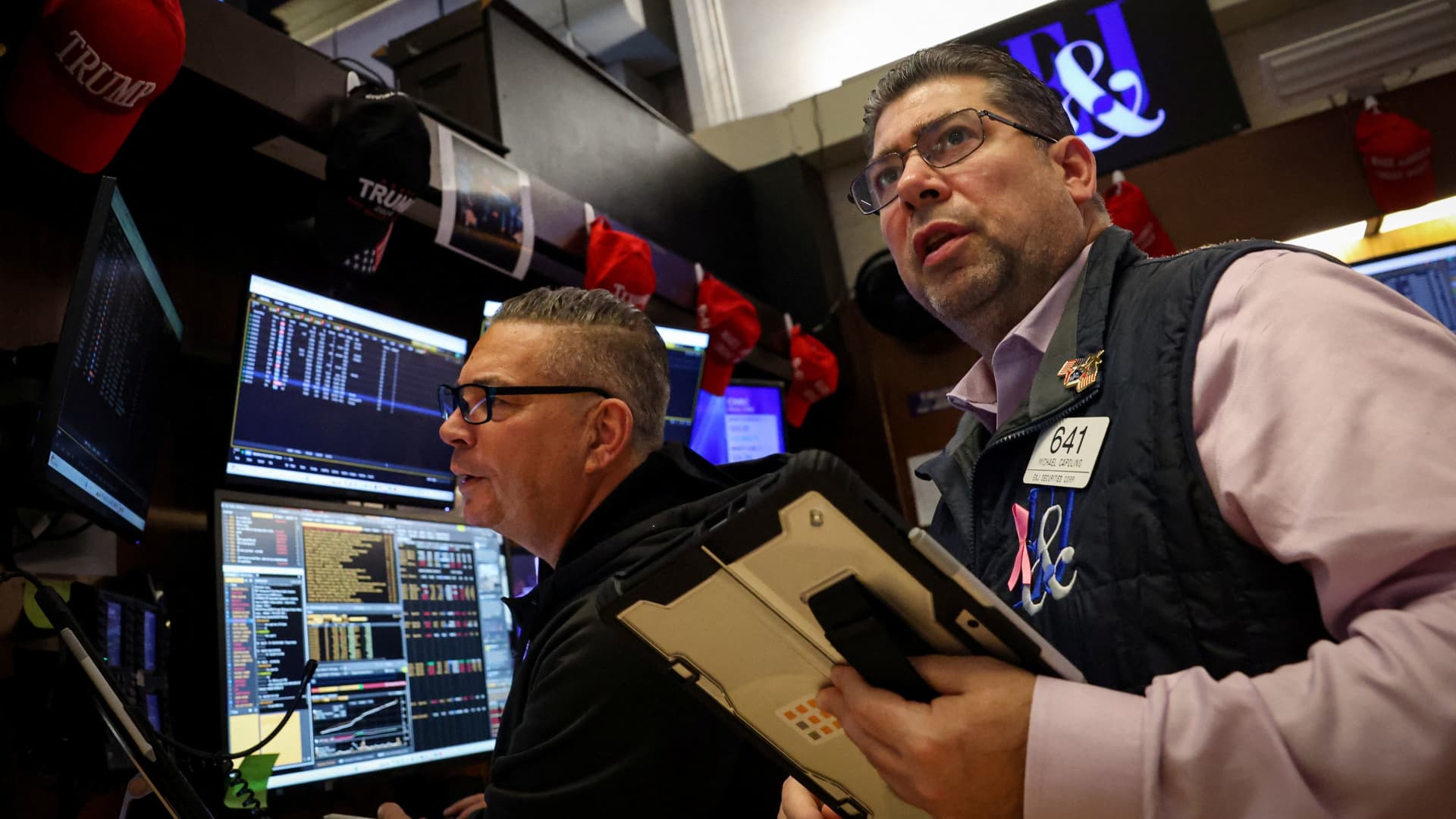
Nvidia investors sold upon hearing good news, while everyone else is buying into a Fed rate cut scenario.

Investors had looked to Nvidia's earnings report to settle fears that the AI bubble is on increasingly shaky ground.

“The market did not appreciate our incredible quarter,” Huang said.

This week, volatility took hold of the AI trade as bubble fears continued and Nvidia’s blowout earnings failed to steady the market. Deirdre Bosa has the story.